
Sections
Nifeelas appeye'im — Laws of Falling on One’s Face in Supplication — Halacha 6 · The Matter of Kidooshuh DiSidruh — Sanctification in the Concluding Prayer Order — Halacha 1
ליקוטי הלכות - Likutay Halachos
Matched source edition · Volume 5 · Bracketed references are separate from the traditional items.
נפילת אפים ו:Nifeelas appeye'im — Laws of Falling on One’s Face in Supplication — Halacha 6
א1
עַל-פִּי הַתּוֹרָה "וְאַיֵּה הַשֶּה לְעֹלָה", בְּלִקוּטֵי תִּנְיָנָא סִימָן יב, עַיֵּן שָׁם הֵיטֵב הֵיטֵב, כִּי הוּא עִנְיָן עָמֹק מְאֹד וְדֶרֶךְ עֵצָה טוֹבָה לַכֹּל וְכוּ':
Based on the Torah “And where is the lamb for the burnt offering?” in Likutay Tinyana, teaching 12; study it there very well, very well, for it is an exceedingly deep matter and a way of good counsel for everyone, etc.
וְהַכְּלָל, שֶׁאֲפִלּוּ כְּשֶׁאָדָם נִתְרַחֵק מֵהַשֵּׁם יִתְבָּרַךְ מְאֹד מְאֹד עַל -יְדֵי מַעֲשָׂיו הָרָעִים, אַף-עַל-פִּי-כֵן כְּשֶׁהוּא מְחַזֵּק אֶת עַצְמוֹ עֲדַיִן וְדוֹרֵשׁ וְשׁוֹאֵל וּמְחַפֵּשׂ וּמְבַקֵּשׁ עֵצָה וְתַחְבּוּלָה וְכוּ' לָשׁוּב אֵלָיו יִתְבָּרַךְ, אֲזַי זוֹכֶה שֶׁתְּהֵא הַיְרִידָה תַּכְלִית הָעֲלִיָּה, כִּי יֵשׁ שֶׁנָּפְלוּ לִבְחִינַת מְקוֹמוֹת הַמְטֻנָּפִים, חַס וְשָׁלוֹם, שֶׁשָּׁם נֶאֱמַר ( יְשַׁעְיָה מב), "וּכְבוֹדִי לְאַחֵר לֹא אֶתֵּן וְכוּ'" אֲבָל בֶּאֱמֶת בְּוַדַּאי גַּם אֵלּוּ הַמְּקוֹמוֹת מְקַבְּלִים חִיּוּת מִמֶּנּוּ יִתְבָּרַךְ, אַךְ הֵם מְקַבְּלִין חִיּוּת מִמַּאֲמָר סָתוּם, שֶׁהוּא בְּרֵאשִׁית וְכוּ', שֶׁהוּא בְּחִינַת אַיֵּ"ה וְכוּ' כִּי מִגֹּדֶל הַהַעֲלָמָה שֶׁל זֶה הַמַּאֲמָר הֵם מְקַבְּלִין חִיּוּת מִבְּחִינַת הַהַעֲלָמָה וְהַהַסְתָּרָה דַּיְקָא וְעַל-כֵּן מִי שֶׁנּוֹפֵל לְשָׁם חַס וְשָׁלוֹם, כְּשֶׁאֵינוֹ מְיָאֵשׁ אֶת עַצְמוֹ לְגַמְרֵי וַעֲדַיִן הוּא מְחַפֵּשׂ וּמְבַקֵּשׁ אַיֵּ"ה וְכוּ', עַל-יְדֵי זֶה עוֹלֶה בְּתַכְלִית הָעֲלִיָּה, כִּי עוֹלֶה לִבְחִינַת אַיֵּה, שֶׁהוּא בְּחִינַת בְּרֵאשִׁית מַאֲמָר סָתוּם הַנַּ"ל, עַיֵּן שָׁם הֵיטֵב:
The principle is that even when a person has become very, very distanced from G-d, blessed is He, through his evil deeds, nevertheless, when he still strengthens himself and seeks and asks and searches and requests counsel and strategy, etc., to return to Him, blessed is He, he merits that the descent becomes the ultimate ascent. For there are those who have fallen to the aspect of filthy places, G-d forbid, where it is said (Yeshaya 42), ‘My glory I will not give to another, etc.’ Yet in truth, even these places certainly receive vitality from Him, blessed is He; but they receive vitality from a sealed utterance, which is Biraishis, ‘In the beginning,’ etc., which is the aspect of A'yay, ‘Where?’, etc. For due to the immensity of the concealment of this utterance, they receive vitality specifically from the aspect of concealment and hiddenness. Therefore whoever falls there, G-d forbid, when he does not despair entirely and still searches and seeks A'yay, ‘Where?’, etc., through this he ascends to the ultimate ascent. For he ascends to the aspect of A'yay, which is the aspect of Biraishis, the aforementioned sealed utterance. Study it there well.
ב2
וְזֶה בְּחִינַת נְפִילַת אַפַּיִם, כִּי מְבֹאָר בְּכַוָּנוֹת הָאֲרִ"י זִכְרוֹנוֹ לִבְרָכָה בְּסוֹד נְפִילַת אַפַּיִם שֶׁאָז מַפִּילִין עַצְמָן לִבְחִינַת סִטְרָא דְּמוֹתָא כְּדֵי לְהַעֲלוֹת מִשָּׁם נִיצוֹצֵי הַקְּדֻשָּׁה שֶׁנָּפְלוּ מְאֹד שֶׁאִי אֶפְשָׁר לַעֲשׂוֹת גְּמַר הַיִּחוּד שֶׁל הַתְּפִלָּה כִּי אִם עַל-יְדֵי עֲלִיַּת אֵלּוּ הַנִּיצוֹצוֹת וְכוּ', עַיֵּן שָׁם וְכָל זֶה הוּא סוֹד הַתּוֹרָה הַנַּ"ל, בְּחִינַת יְרִידָה תַּכְלִית הָעֲלִיָּה, כִּי בְּעִנְיַן יְרִידָה תַּכְלִית הָעֲלִיָּה יֵשׁ כַּמָּה וְכַמָּה בְּחִינוֹת, כִּי יֵשׁ שֶׁנָּפְלוּ וְיָרְדוּ מַמָּשׁ, שֶׁיָּרְדוּ עַל-יְדֵי מַעֲשֵׂיהֶם וְתַאֲוֹתֵיהֶם לְמָקוֹם שֶׁיָּרְדוּ וְנָפְלוּ לְשָׁם, חַס וְשָׁלוֹם, אֲבָל גַּם הֵם יְכוֹלִין לַעֲלוֹת כְּשֶׁחוֹתְרִין לָשׁוּב לְהַשֵּׁם יִתְבָּרַךְ בֶּאֱמֶת וּמְקָרְבִין עַצְמָן לְצַדִּיקֵי אֱמֶת שֶׁמְּלַמְּדִים וּמְחַזְּקִים אוֹתָם שֶׁלֹּא יִתְיָאֲשׁוּ עַצְמָן מִן הַצְּעָקָה לְהַשֵּׁם יִתְבָּרַךְ וּמֵהַחִפּוּשׂ וּבַקָּשָׁה וְכוּ' כַּנַּ"ל, שֶׁאָז עַל-יְדֵי הַבַּקָּשָׁה וְהַחִפּוּשׂ אַיֵּ"ה וְכוּ', עַל-יְדֵי זֶה עוֹלִין לְתַכְלִית הָעֲלִיָּה לִבְחִינַת בְּרֵאשִׁית אַיֵּה מַאֲמָר סָתוּם וְכוּ' כַּנַּ"ל, אֲבָל גַּם כְּשֵׁרִים וְצַדִּיקִים גְּדוֹלִים וְנוֹרָאִים בְּהֶכְרֵחַ שֶׁיַּעֲבֹר עֲלֵיהֶם כָּל הַנַּ"ל וְכַמָּה פְּעָמִים הֵם מוֹרִידִים אֶת עַצְמָן בְּכַוָּנָה לִבְחִינַת מְקוֹמוֹת הַנַּ"ל, שֶׁהֵם בְּחִינַת מְקוֹמוֹת הַמְטֻנָּפִים כְּדֵי לְהַעֲלוֹת מִשָּׁם נִיצוֹצוֹת וּנְשָׁמוֹת קְדוֹשׁוֹת שֶׁנָּפְלוּ לְשָׁם בִּבְחִינַת יְרִידָה תַּכְלִית הָעֲלִיָּה כַּנַּ"ל, וְכַמּוּבָן שָׁם בְּהַתּוֹרָה הַנַּ"ל בְּסוֹפוֹ שֶׁכָּתַב שָׁם, שֶׁזֶּה בְּחִינַת הֲלִיכָה בַּדְּרָכִים וְכוּ', כִּי קֹדֶם כָּל חִדּוּשֵׁי תּוֹרָה צְרִיכִין לַעֲבֹר תְּחִלָּה בְּאֵלּוּ הַמְּקוֹמוֹת שֶׁמֵּהֶם כָּל הַבִּלְבּוּלִים וְכוּ', עַיֵּן שָׁם וּבֶאֱמֶת הַכֹּל אֶחָד וְזֶה תָּלוּי בָּזֶה, כִּי גְּדוֹלֵי הַצַּדִּיקִים מוֹרִידִין עַצְמָן לַמְּקוֹמוֹת הַנַּ"ל בִּשְׁבִיל לְהַעֲלוֹת נְשָׁמוֹת שֶׁנָּפְלוּ לְשָׁם וּבְעִנְיַן עֲלִיַּת הַנְּשָׁמוֹת שֶׁנָּפְלוּ יֵשׁ כַּמָּה בְּחִינוֹת, כִּי יֵשׁ נִשְׁמוֹת הַמֵּתִים שֶׁנָּפְלוּ לְשָׁם כַּמָּה וְכַמָּה שָׁנִים שֶׁאֵין לָהֶם תִּקּוּן כִּי אִם עַל-יְדֵי צַדִּיקִים כָּאֵלּוּ וְכוּ', כַּמּוּבָן בְּמָקוֹם אַחֵר וְכַמּוּבָן מֵהַמַּעֲשִׂיּוֹת שֶׁמְּסַפְּרִין מֵהַבַּעַל שֵׁם טוֹב זֵכֶר צַדִּיק וְקָדוֹשׁ לִבְרָכָה, וּבִפְרָט מַה שֶּׁשָּׁמַעְנוּ מִפִּיו הַקָּדוֹשׁ הַרְבֵּה בְּעִנְיָן זֶה, אֲבָל הֵם עוֹסְקִים הָעִקָּר לְבָרֵר וּלְהַעֲלוֹת נְפָשׁוֹת הַחַיִּים עֲדַיִן בָּעוֹלָם הַזֶּה וְהָעִקָּר עַל-יְדֵי בְּחִינַת הַנַּ"ל שֶׁעַל-יְדֵי יְרִידָתָם לְשָׁם הֵם מַכְנִיסִים הִרְהוּרֵי תְּשׁוּבָה גַּם לְהַיּוֹרְדִים וְהַנּוֹפְלִים מְאֹד, אֲבָל מֵחֲמַת שֶׁאֵלּוּ הַנּוֹפְלִים הֵם בַּחַיִּים עֲדַיִן וְיֵשׁ לָהֶם עֲדַיִן כֹּחַ הַבְּחִירָה, עַל-כֵּן קָשֶׁה וְכָבֵד מְאֹד מְאֹד לַעֲזֹר לָהֶם, כִּי לְבַעַל בְּחִירָה קָשֶׁה מְאֹד לַעֲזֹר, כְּמוֹ שֶׁמְּבֹאָר בְּמָקוֹם אַחֵר, אֲבָל אַף-עַל-פִּי-כֵן יֵשׁ הַרְבֵּה שֶׁזּוֹכִים עַל-יְדֵי כֹּחַ הַצַּדִּיקִים הַנַּ"ל לְהִתְעוֹרֵר בְּאֵיזֶה הִתְעוֹרְרוּת עַד שֶׁמַּתְחִילִין לְהִתְקָרֵב אֲלֵיהֶם, וַאֲזַי הַצַּדִּיקִים מְאִירִין בְּהָרְחוֹקִים הַנַּ"ל, שֶׁאֵיךְ שֶׁהֵם עֲדַיִן יְחַפְּשׂוּ וִיבַקְּשׁוּ אֶת הַשֵּׁם יִתְבָּרַךְ וְכוּ' כַּנַּ"ל, וְעַל-יְדֵי זֶה הֵם מַעֲלִין גַּם אֶת הַיְרוּדִים מַמָּשׁ הַנַּ"ל שֶׁגַּם הֵם יַעֲלוּ בִּבְחִינַת יְרִידָה תַּכְלִית הָעֲלִיָּה, וְהַכֹּל בְּכֹחָם וּבְכֹחַ תּוֹרָתָם וְעֵצוֹתֵיהֶם וְרִמְזֵיהֶם הַקְּדוֹשִׁים הָעֲמֻקִּים וְנִשְׂגָּבִים מְאֹד מְאֹד עַד אֵין סוֹף וְתַכְלִית, אַשְׁרֵי שֶׁיֹּאחֵז בָּהֶם:
This is the aspect of Nifeelas appeye'im. For it is explained in the Kavunoas of the Ari, of blessed memory, concerning the secret of Nifeelas appeye'im, that then they cast themselves into the aspect of the side of death, in order to raise from there the holy sparks that have fallen deeply (Pree Aitz Cheye'im, Sha'ar Nifeelas Appeye'im, chapter 2). It is impossible to complete the Yeechood of the prayer except through the ascent of these sparks, etc.; see there. All this is the secret of the aforementioned teaching, the aspect of descent being the ultimate ascent. For in the matter of descent being the ultimate ascent there are many, many aspects. There are those who have actually fallen and descended, who descended through their deeds and desires to the place to which they descended and fell, G-d forbid, but even they can ascend when they strive to return to G-d, blessed is He, in truth, and draw close to true Tzaddeekim, who teach and strengthen them not to despair of crying out to G-d, blessed is He, or of searching and seeking, etc., as above. Then, through seeking and searching A'yay, ‘Where?’, etc., they ascend to the ultimate ascent, to the aspect of Biraishis, A'yay, the sealed utterance, etc., as above. But also worthy people and great, awesome Tzaddeekim must necessarily pass through all of the above. Many times they deliberately lower themselves to the aspect of the aforementioned places, which are the aspect of filthy places, in order to raise from there sparks and holy souls that have fallen there, in the aspect of descent being the ultimate ascent, as above, as understood there at the end of the aforementioned teaching, where he wrote that this is the aspect of traveling on the roads, etc. For before every Torah innovation, it is necessary first to pass through these places, from which all the confusions come, etc.; see there. In truth it is all one and interdependent, for the great Tzaddeekim lower themselves to the aforementioned places to raise souls that fell there. Regarding the raising of fallen souls there are many aspects. For there are souls of the dead that fell there many, many years ago and have no rectification except through Tzaddeekim such as these, etc., as understood elsewhere and as understood from the stories told of the Bal Shaim Toav, may the memory of the righteous and holy one be a blessing, and especially from the much that we heard from his holy mouth concerning this. (For a corresponding story, see Chayay Moharan, item 190.) But their main work is to refine and raise the souls of those still living in this world, principally through the aforementioned aspect: through their descent there, they instill thoughts of repentance even in those who have descended and fallen very far. However, since these fallen ones are still alive and still possess the power of free choice, it is very, very difficult and burdensome to help them, for it is very difficult to help one who has free choice, as explained elsewhere. Nevertheless, many merit, through the power of the aforementioned Tzaddeekim, to be aroused with some awakening, until they begin to draw close to them. Then the Tzaddeekim illuminate the aforementioned distant ones, so that, however they are, they should still search and seek G-d, blessed is He, etc., as above. Through this they raise even those who have actually descended, mentioned above, so that they too ascend in the aspect of descent being the ultimate ascent. All this is through their power and through the power of their Torah, their counsel and their holy hints, which are very, very deep and exalted, without limit or end. Fortunate is one who grasps them!
ג3
וְכָל זֶה הוּא סוֹד נְפִילַת אַפַּיִם שֶׁאָז מַפִּילִין אֶת עַצְמָן בְּכַוָּנָה לַמְּקוֹמוֹת הַנַּ"ל כְּדֵי לְהַעֲלוֹת הַנִּיצוֹצוֹת הַקְּדוֹשׁוֹת שֶׁהֵם בְּחִינַת נַפְשׁוֹת הַחַיִּים וְהַמֵּתִים בִּבְחִינַת יְרִידָה תַּכְלִית הָעֲלִיָּה בִּבְחִינָה הַנַּ"ל וְעַל-כֵּן נוֹפְלִין אָז עַל פְּנֵיהֶם, זֶה בְּחִינַת הִסְתַּלְּקוּת וְהַעֲלָמַת וְכִסּוּי בְּחִינַת הַפָּנִים, שֶׁהוּא בְּחִינַת חָכְמָה, בְּחִינַת ( קֹהֶלֶת ח) חָכְמַת אָדָם תָּאִיר פָּנָיו, שֶׁהוּא עִקַּר הַחִיּוּת, כְּמוֹ שֶׁכָּתוּב ( שָׁם ז), הַחָכְמָה תְּחַיֶּה וְכוּ', כִּי בְּכָל הַמַּאֲמָרוֹת יֵשׁ חָכְמָה בְּכָל מַאֲמָר וּמַאֲמָר שֶׁבָּהֶם נִבְרָא הָעוֹלָם, כִּי כֻּלָּם בְּחָכְמָה עָשִׂיתָ וְעַל-יְדֵי זֶה עִקַּר הִתְגַּלּוּת הַכָּבוֹד שֶׁבִּשְׁבִיל זֶה נִתְהַוֶּה הַמַּאֲמָר, כְּמוֹ שֶׁמְּבֹאָר שָׁם בִּבְחִינַת כָּבוֹד חֲכָמִים יִנְחָלוּ ( מִשְׁלֵי ג) וּכְמוֹ שֶׁמְּבֹאָר בְּמָקוֹם אַחֵר, שֶׁכָּבוֹד הוּא בְּחִינַת חָכְמָה, אֲבָל בְּהַמַּאֲמָר סָתוּם, שֶׁהוּא בְּחִינַת אַיֵּ"ה, בְּחִינַת בְּרֵאשִׁית, שָׁם הַחָכְמָה, שֶׁהוּא בְּחִינַת הַפָּנִים בְּהֶעְלֵם וְהֶסְתֵּר גָּדוֹל, כִּי שָׁם הוּא בְּחִינַת תַּכְלִית הַיְדִיעָה אֲשֶׁר לֹא נֵדַע וְזֶהוּ בְּחִינַת סוֹד נְפִילַת אַפַּיִם, בְּחִינַת ( בַּמִּדְבָּר כ) וַיִּפְּלוּ עַל פְּנֵיהֶם, שֶׁהַצַּדִּיקִים מַפִּילִין עַצְמָן וּמְכַסִּין וּמַעֲלִימִין וּמְסַלְּקִין פְּנֵיהֶם שֶׁהוּא חָכְמָתָן וּמוֹרִידִין עַצְמָן לִבְחִינַת סִטְרָא דְּמוֹתָא, שֶׁהוּא בְּחִינַת מְקוֹמוֹת הַמְטֻנָּפִים הַנַּ"ל שֶׁשָּׁם אֵין רוֹאִין כְּבוֹדוֹ, שֶׁהוּא בְּחִינַת חָכְמָה, בְּחִינַת פָּנִים, אֲבָל הֵם גַּם שָׁם מְבַקְּשִׁין וּמְחַפְּשִׂין בִּבְחִינַת אַיֵּ"ה וְכוּ' כַּנַּ"ל וְעַל-יְדֵי זֶה עוֹלִין בְּתַכְלִית הָעֲלִיָּה וּמַעֲלִין הַנִּיצוֹצוֹת וְהַנְּפָשׁוֹת מֵעִמְקֵי עִמְקֵי הַקְּלִפּוֹת בִּבְחִינַת יְרִידָה עוֹלִים תַּכְלִית הָעֲלִיָּה, כִּי עוֹלָם לִבְחִינַת אַיֵּ"ה בְּרֵאשִׁית, שֶׁהוּא שֹׁרֶשׁ הַקְּדֻשָּׁה, שֹׁרֶשׁ כָּל הָעֲשָׂרָה מַאֲמָרוֹת, שֹׁרֶשׁ כָּל הַתּוֹרָה שֶׁכְּלוּלָה בַּעֲשֶׂרֶת הַדִּבְּרוֹת וְכַנַּ"ל, שֶׁעַל -יְדֵי זֶה עִקַּר גְּמַר הַיִּחוּד שֶׁל כָּל הַתְּפִלָּה כַּנַּ"ל:
All this is the secret of Nifeelas appeye'im, when they deliberately cast themselves into the aforementioned places in order to raise the holy sparks, which are the aspect of the souls of the living and the dead, in the aspect of descent being the ultimate ascent, in the aforementioned aspect. Therefore they then fall on their faces. This is the aspect of withdrawal, concealment and covering of the aspect of the face, which is the aspect of wisdom, in the aspect of (Koheles 8), ‘A man’s wisdom lights up his face.’ This is the essential vitality, as it is written (ibid. 7), ‘Wisdom gives life, etc.’ For in all the utterances there is wisdom, in each and every utterance through which the world was created, for ‘All of them You made with wisdom.’ Through this comes the essential revelation of the glory for whose sake the utterance came into being, as explained there in the aspect of ‘The wise shall inherit glory’ (Mishlay 3), and as explained elsewhere, that glory is the aspect of wisdom. But in the sealed utterance, which is the aspect of A'yay, ‘Where?’, the aspect of Biraishis, the wisdom, which is the aspect of the face, is there in great concealment and hiddenness, for there is the aspect of the ultimate knowledge, that we do not know. This is the aspect of the secret of Nifeelas appeye'im, the aspect of (Bamidbur 20), ‘They fell on their faces’: the Tzaddeekim cast themselves down, covering and concealing and withdrawing their faces, which is their wisdom, and lowering themselves to the aspect of the side of death, which is the aspect of the aforementioned filthy places, where His glory, which is the aspect of wisdom, the aspect of the face, is not seen. But even there they seek and search in the aspect of A'yay, ‘Where?’, etc., as above. Through this they ascend to the ultimate ascent and raise the sparks and souls from the deepest depths of the kelipos, in the aspect of descent, ascending to the ultimate ascent. For the world [is directed] toward the aspect of A'yay, Biraishis, which is the root of holiness, the root of all the ten utterances, the root of the entire Torah contained in the Ten Commandments, as above. Through this comes the essential completion of the Yeechood of the entire prayer, as above.
ד4
וְעַל-כֵּן אוֹמְרִים וִדּוּי מִקֹּדֶם וְי"ג מִדּוֹת שֶׁל רַחֲמִים וְאִיתָא, שֶׁסּוֹד הַוִּדּוּי הוּא בְּסוֹד וְנָשָׂא הַשָּעִיר עָלָיו אֶת כָּל עֲוֹנוֹתָיו וְכוּ', כִּי שְׁנֵי שְׂעִירֵי יוֹם כִּפּוּר הָיוּ שָׁוִים בְּקוֹמָתָם וְכוּ' ( יוֹמָא סב). וְהַכֹּהֵן גָּדוֹל הָיָה צָרִיךְ לִתֵּן גּוֹרָלוֹת עַל שְׁנֵי הַשָּעִירִים, גּוֹרָל אֶחָד לַה' וְגוֹרָל אֶחָד לַעֲזָאזֵל וְהוּא בְּחִינַת סוֹד עָמֹק הַנַּ"ל שֶׁאֲחִיזַת הַסִּטְרָא אָחֳרָא שֶׁמִּשָּׁם כָּל הָעֲוֹנוֹת שֶׁהוּא עֲזָאזֵל, הוּא דַּיְקָא מִסּוֹד הַקְּדֻשָּׁה הָעֶלְיוֹנָה מְאֹד, שֶׁהוּא בְּחִינַת קָדְשֵׁי קֳדָשִׁים, שֶׁהוּא הַקְּדֻשָּׁה הָעֶלְיוֹנָה מִכָּל הָעֶשֶׂר קְדֻשּׁוֹת שֶׁנִּתְקַדְּשָׁה בָּהֶם אֶרֶץ יִשְׂרָאֵל וְעַל-כֵּן שְׁנֵי הַשְּעִירִים שָׁוִין בְּקוֹמָתָן וּמַרְאֵיהֶם מַמָּשׁ וְאַף-עַל-פִּי-כֵן אֶחָד עוֹלֶה לַה' לְבֵית קֹדֶשׁ קֳדָשִׁים וְאֶחָד יוֹרֵד לַעֲזָאזֵל, וְאִי אֶפְשָׁר לְשׁוּם אָדָם לֵידַע לְכַוֵּן אֵיזֶה לַה' וְאֵיזֶה לַעֲזָאזֵל, כִּי הוּא סוֹד כָּמוּס וְנִסְתָּר מְאֹד, בְּחִינַת מַאֲמָר סָתוּם מְאֹד, עַל-כֵּן צִוְּתָה הַתּוֹרָה שֶׁיַּטִּיל הַכֹּהֵן גָּדוֹל גּוֹרָל וְרַק הַגּוֹרָל הַיּוֹצֵא מֵהַשֵּׁם יִתְבָּרַךְ בְּעַצְמוֹ יִבְרֹר אֵיזֶה לַה' וְאֵיזֶה לַעֲזָאזֵל וְעַל-יְדֵי זֶה עִקַּר הַתִּקּוּן וּסְלִיחַת עֲוֹנוֹת שֶׁל יוֹם כִּפּוּר שֶׁאָז הוּא יוֹם עֲשִׂירִי מֵעֲשֶׂרֶת יְמֵי תְּשׁוּבָה וְאָז עוֹלִין לִבְחִינַת אַיֵּה, בְּחִינַת כֶּתֶר כַּיָּדוּעַ. וְהָעֲלִיָּה הִוא דַּיְקָא עַל-יְדֵי שֶׁמַּזְכִּירִין כָּל עֲוֹנוֹת יִשְׂרָאֵל, שֶׁהוּא רִבּוּי הַוִּדּוּיִים שֶׁאוֹמְרִים בְּיוֹם כִּפּוּר, שֶׁזֶּהוּ בְּחִינַת הַוִּדּוּי שֶׁעַל שָׂעִיר הַמִּשְׁתַּלֵּחַ, שֶׁהוּא עִקַּר הַוִּדּוּי שֶׁל הַכֹּהֵן גָּדוֹל בְּעַד כָּל יִשְׂרָאֵל, כִּי הַוִּדּוּי שֶׁמַּזְכִּירִין הָעֲוֹנוֹת, שֶׁהֵם בְּחִינַת מְקוֹמוֹת הַמְטֻנָּפִים, זֶהוּ עִקַּר בְּחִינַת הַנַּ"ל, בְּחִינַת יְרִידָה תַּכְלִית הָעֲלִיָּה עַל-יְדֵי בַּקָּשַׁת אַיֵּ"ה הַנַּ"ל, כִּי כָּל הַבְּרִיאָה הָיְתָה עַל-יְדֵי אוֹתִיּוֹת וְדִבּוּרִים שֶׁהֵם הָעֲשָׂרָה מַאֲמָרוֹת וּכְמוֹ שֶׁכָּתוּב ( תְּהִלִּים לג), בִּדְבַר ה' שָׁמַיִם נַעֲשׂוּ וְכוּ', אֲבָל בְּרֵאשִׁית, שֶׁהוּא מַאֲמָר סָתוּם, שָׁם אוֹתִיּוֹת הַדִּבּוּר בְּהֶעְלֵם נִפְלָא, בִּבְחִינַת כְּבַד פֶּה הַנֶּאֱמַר בְּמשֶׁה וּמִגֹּדֶל הַהַעֲלָמָה, מִזֶּה דַּיְקָא יוֹנְקִים מְקוֹמוֹת הַמְטֻנָּפִים עַד שֶׁנַּעֲשִׂים אֶצְלָם אוֹתִיּוֹת וְדִבּוּרִים שֶׁל שֶׁקֶר שֶׁמְּסִיתִין וּמְפַתִּין וּמְדִיחִין אֶת מִי שֶׁנִּסָּת אַחֲרֵיהֶם, רַחֲמָנָא לִצְלַן, שֶׁהֵם בְּחִינַת דִּבּוּרֵי הַנָּחָשׁ הַקַּדְמוֹנִי שֶׁהֵסִית בְּדִבּוּרָיו, אֶת אָדָם וְחַוָּה וְכוּ', שֶׁזֶּהוּ בְּחִינַת תֵּאָלַמְנָה שִׂפְתֵי שָׁקֶר הַדֹּבְרוֹת עַל צַדִּיקוֹ שֶׁל עוֹלָם 'עָתָק' 'תֵּאָלַמְנָה' וַדַּאי, כִּי בֶּאֱמֶת אֵין לָהֶם שׁוּם דִּבּוּר וַאֲחִיזָתָם רַק מֵהַעֲלָמַת הַדִּבּוּר, מִבְּחִינַת 'יוֹנַת אֵלֶם' וְעַל-כֵּן נִקְרָאִים אֱלִילִים אִלְּמִים, בְּחִינַת פֶּה לָהֶם וְלֹא יְדַבֵּרוּ, אֲבָל מִגֹּדֶל הַהַעֲלָמָה שֶׁל הַמַּאֲמָר סָתוּם הַנַּ"ל, שֶׁהוּא בְּחִינַת ( שָׁם לט), נֶאֱלַמְתִּי דוּמִיָּה הֶחֱשֵׁיתִי מִטּוֹב, בְּחִינַת ( שָׁם), "נֶאֱלַמְתִּי לֹא אֶפְתַּח פִּי", מִשָּׁם דַּיְקָא הֵם יוֹנְקִים וּמַמְשִׁיכִים לְעַצְמָן דִּבּוּרִים שֶׁל שֶׁקֶר שֶׁמִּשָּׁם כָּל מִינֵי הֲסָתוֹת שֶׁל הַסִּטְרָא אָחֳרָא מְקוֹמוֹת הַמְטֻנָּפִים הַנַּ"ל, בְּחִינַת אֲשֶׁר אָמְרוּ לִלְשֹׁנֵנוּ נַגְבִּיר שְׂפָתֵינוּ אִתָּנוּ מִי אָדוֹן לָנוּ וְכוּ' וּמֵאֵלּוּ הָאוֹתִיּוֹת וְהַדִּבּוּרִים רָעִים נִתְהַוּוּ כָּל הָעֲוֹנוֹת וְהַפְּשָׁעִים, רַחֲמָנָא לִצְלַן, שֶׁאִי אֶפְשָׁר לִמְצֹא בָּהֶם אֶת כְּבוֹדוֹ יִתְבָּרַךְ כִּי אִם עַל-יְדֵי הַבַּקָּשָׁה וְהַחִפּוּשׂ אַיֵּה וְכוּ' כַּנַּ"ל, כִּי מֵאַחַר שֶׁמְּחַפְּשִׂים וּמְבַקְּשִׁים אֶת כְּבוֹדוֹ, נִמְצָא שֶׁמּוֹדִים עַל כָּל פָּנִים בֵּאלֹקֹתוֹ יִתְבָּרַךְ וּבְתוֹרָתוֹ שֶׁיּוֹדְעִים שֶׁהַשֵּׁם יִתְבָּרַךְ מוֹשֵׁל בָּעוֹלָמוֹת וְאָסַר עָלֵינוּ בְּתוֹרָתוֹ לִבְלִי לַעֲשׂוֹת אֵלּוּ הַחֲטָאִים, רַק שֶׁמִּתֹּקֶף תַּאֲוָתָם עָבַר עַל רְצוֹנוֹ יִתְבָּרַךְ, וְעַתָּה מְבַקֵּשׁ וּמְחַפֵּשׂ סְלִיחָה וְכַפָּרָה וְלָשׁוּב אֵלָיו יִתְבָּרַךְ, אַף-עַל-פִּי שֶׁאֵינוֹ יוֹדֵעַ בְּאֵיזֶה דֶּרֶךְ, כִּי נִתְעָה מְאֹד מְאֹד, בְּחִינַת תָּעִיתִי כְּשֶׂה אֹבֵד, אַף-עַל-פִּי-כֵן עֲדַיִן אֵינוֹ מְיָאֵשׁ אֶת עַצְמוֹ וּמְבַקֵּשׁ עֵצָה וְתַחְבּוּלָה אַיֵּה וְכוּ', עַל-יְדֵי זֶה הוּא עוֹלֶה בְּתַכְלִית הָעֲלִיָּה לִבְחִינַת אַיֵּה-מַאֲמָר סָתוּם וְכוּ' כַּנַּ"ל וְזֶהוּ בְּחִינַת הַוִּדּוּי שֶׁצְּרִיכִין לְהַזְכִּיר הַחֲטָאִים וְהָעֲוֹנוֹת הַגְּמוּרִים בְּפֶה מָלֵא וּלְהַזְכִּיר בְּפֵרוּשׁ דְּבָרִים מְגֻנִּים כָּאֵלֶּה, אֲבָל זֶהוּ כָּל תִּקּוּנוֹ, כִּי מֵאַחַר שֶׁמִּתְוַדֶּה וְאוֹמֵר חָטָאתִי הֲרֵי הוּא מוֹדֶה שֶׁיֵּשׁ בּוֹרֵא יָחִיד קַדְמוֹן נִמְצָא, הַמְחֻיָּב יִתְבָּרַךְ שְׁמוֹ, וּמוֹדֶה בְּתוֹרַת משֶׁה אֱמֶת שֶׁהַבּוֹרֵא הַיָּחִיד קַדְמוֹן הִזְהִירָנוּ עַל-יְדֵי משֶׁה לִבְלִי לַעֲשׂוֹת אֵלּוּ הַחֲטָאִים, רַק שֶׁיִּצְרוֹ הִתְגַּבֵּר עָלָיו וְכוּ' וּמוֹדֶה שֶׁחָטָא וְעִוֵּת בָּזֶה, כִּי בְּוַדַּאי הָיָה לוֹ כֹּחַ לְהִתְגַּבֵּר נֶגְדּוֹ וְכוּ', אַךְ אַף-עַל-פִּי-כֵן מֵאַחַר שֶׁמִּתְוַדֶּה עַל הַחֲטָאִים וּמְבַקֵּשׁ תְּשׁוּבָה וּמְחִילָה הֲרֵי הוּא מְחַפֵּשׂ וּמְבַקֵּשׁ עֲדַיִן אַיֵּה וְכוּ' כַּנַּ"ל, וְעַל -יְדֵי זֶה עִקַּר עֲלִיָּתוֹ כַּנַּ"ל:
Therefore we say Veedooy, confession, beforehand, and the Thirteen Attributes of Mercy. It is stated that the secret of Veedooy is in the secret of ‘The goat shall bear upon it all his sins, etc.’ For the two goats of Yoam Kipur were equal in stature, etc. (Yomu 62a). The Koahain Gadol had to place lots upon the two goats, one lot for G-d and one lot for Azuzail. This is the aspect of the aforementioned deep secret: the hold of the Sitruh Achruh, from which all sins come, which is Azuzail, derives precisely from the secret of the exceedingly exalted holiness, which is the aspect of Kodshay Kudusheem, the Holy of Holies, which is the highest holiness of all the ten levels of holiness with which Eretz Yisroel was sanctified. Therefore the two goats are actually equal in stature and appearance. Nevertheless, one ascends to G-d, to the House of the Holy of Holies, and one descends to Azuzail. No person can know how to determine which is for G-d and which for Azuzail, for it is an exceedingly concealed and hidden secret, the aspect of a very sealed utterance. Therefore the Torah commanded the Koahain Gadol to cast a lot; only the lot emerging from G-d Himself, blessed is He, determines which is for G-d and which for Azuzail. Through this comes the essential rectification and forgiveness of sins of Yoam Kipur, which is then the tenth day of the Ten Days of Repentance. Then one ascends to the aspect of A'yay, the aspect of Kesehr, as is known. The ascent comes precisely through mentioning all the sins of Yisroel, which is the abundance of confessions said on Yoam Kipur. This is the aspect of the confession over the goat sent away, which is the main confession of the Koahain Gadol on behalf of all Yisroel. For the confession, in which the sins are mentioned, which are the aspect of filthy places, is the essence of the aforementioned aspect, the aspect of descent being the ultimate ascent through seeking A'yay, as above. For all of Creation came about through letters and speech, which are the ten utterances, as it is written (Tehillim 33), ‘By the word of G-d the heavens were made, etc.’ But in Biraishis, which is a sealed utterance, the letters of speech are there in wondrous concealment, in the aspect of ‘heavy of mouth,’ said of Moshe. From the immensity of the concealment, it is precisely from this that the filthy places draw sustenance, until letters and words of falsehood are formed among them, seducing and enticing and leading astray whoever is seduced into following them, may the Merciful One save us. These are the aspect of the words of the primordial serpent, who seduced Adam and Chavuh with his speech, etc. This is the aspect of ‘Let the lips of falsehood be silenced, that speak arrogantly against the Righteous One of the world.’ ‘Let them be silenced’ indeed, for in truth they have no speech at all, and their hold comes only from the concealment of speech, from the aspect of ‘the silent dove.’ Therefore they are called mute idols, the aspect of ‘They have a mouth but cannot speak.’ But from the immensity of the concealment of the aforementioned sealed utterance, which is the aspect of (ibid. 39), ‘I was mute, in silence; I kept quiet from good,’ the aspect of (ibid.), ‘I was mute; I will not open my mouth,’ it is precisely from there that they draw sustenance and draw to themselves words of falsehood, from which all types of enticement of the Sitruh Achruh, the aforementioned filthy places, come. This is the aspect of ‘Who said: Our tongue we will make mighty; our lips are ours; who is lord over us?, etc.’ From these evil letters and words all sins and willful offenses came into being, may the Merciful One save us. It is impossible to find in them His glory, blessed is He, except through seeking and searching A'yay, ‘Where?’, etc., as above. For since they search and seek His glory, it follows that they at least acknowledge His G-dliness, blessed is He, and His Torah. They know that G-d, blessed is He, rules the worlds and forbade us in His Torah to commit these sins; only through the force of their desires did he transgress His will, blessed is He, and now he seeks and searches for forgiveness and atonement and to return to Him, blessed is He, even though he does not know by which path, for he has gone very, very far astray, in the aspect of ‘I have strayed like a lost sheep.’ Nevertheless, he still does not despair and seeks counsel and strategy, A'yay, ‘Where?’, etc. Through this he ascends to the ultimate ascent, to the aspect of A'yay, the sealed utterance, etc., as above. This is the aspect of Veedooy: one must mention the sins and the actual transgressions with a full mouth, and explicitly mention such disgraceful matters. But this is his entire rectification, for since he confesses and says ‘I have sinned,’ he thereby acknowledges that there exists a sole, primordial Creator, the Necessary Existent, blessed is His Name, and acknowledges the true Torah of Moshe: that the sole, primordial Creator warned us through Moshe not to commit these sins, only that his inclination overpowered him, etc. He acknowledges that he sinned and acted perversely in this, for certainly he had the power to overcome it, etc. Nevertheless, since he confesses the sins and seeks repentance and pardon, he is still searching and seeking A'yay, ‘Where?’, etc., as above. Through this comes his essential ascent, as above.
ה5
וְזֶהוּ שֶׁאוֹמְרִים בְּהַוִּדּוּי, תָּבֹא לְפָנֶיךָ תְּפִלָּתֵנוּ וְאַל תִּתְעַלֵּם מִתְּחִנָּתֵנוּ שֶׁאֵין אָנוּ עַזֵּי פָּנִים וּקְשֵׁי עֹרֶף לוֹמַר לְפָנֶיךָ ה' אֱלֹקֵינוּ וֵאלֹקֵי אֲבוֹתֵינוּ צַדִּיקִים אֲנַחְנוּ וְלֹא חָטָאנוּ, אֲבָל אֲנַחְנוּ וַאֲבוֹתֵינוּ חָטָאנוּ וְכוּ' וְלִכְאוֹרָה הָעִנְיָן פֶּלֶא, מַה זֶּה שֶׁמַּזְכִּירִין לְשׁוֹן שְׁלִילָה שֶׁאֵין אָנוּ עַזֵּי פָּנִים וְכוּ' לוֹמַר לְפָנֶיךָ וְכוּ' צַדִּיקִים אֲנַחְנוּ וְלֹא חָטָאנוּ וְכוּ', מַה טְּעָנָה הִיא זֹאת, וְלָמָּה לָנוּ לְהַזְכִּיר כָּל זֶה, הָיָה לָנוּ לְהַתְחִיל תֵּכֶף, אָנָּא ה' חָטָאתִי וְכוּ'? וְגַם קָשֶׁה, אֵיךְ נוּכַל לוֹמַר צַדִּיקִים אֲנַחְנוּ וְלֹא חָטָאנוּ, מֵאַחַר שֶׁאָנוּ יוֹדְעִים בְּעַצְמֵנוּ שֶׁחָטָאנוּ, וּמַה זֶּה זְכוּת שֶׁאֵינוֹ עַזּוּת פָּנִים כָּל כָּךְ לֵאמֹר לֹא חָטָאתִי, הֲלֹא אִי אֶפְשָׁר לְהַכְחִישׁ הַחוּשׁ מֵאַחַר שֶׁיּוֹדֵעַ שֶׁחָטָא?! אַךְ עִקַּר הַטְּעָנָה הוּא עַל -פִּי הַנַּ"ל שֶׁמְּבַקֵּשׁ מֵהַשֵּׁם יִתְבָּרַךְ שֶׁלֹּא יִתְעַלֵּם מִתְּחִנָּתֵנוּ וְתָבֹא לְפָנֶיךָ תְּפִלָּתֵנוּ, וַאֲזַי הוּא יָכוֹל תֵּכֶף לִפֹּל בְּדַעְתּוֹ אֵיךְ אֲבַקֵּשׁ שֶׁלֹּא יִתְעַלֵּם מִתְּחִנָּתֵנוּ, מֵאַחַר שֶׁאֲנִי יוֹדֵעַ בְּעַצְמִי שֶׁגָּרַמְתִּי בַּעֲוֹנוֹתַי הַעֲלָמָה וְהַסְתָּרָה כָּזֹאת? כִּי עַל-יְדֵי כָּל חֵטְא וְעָוֹן וָפֶשַׁע מַעֲלִימִים וּמַסְתִּירִים כְּבוֹדוֹ יִתְבָּרַךְ בִּבְחִינַת ( יְשַׁעְיָה נט) כִּי אִם עֲוֹנוֹתֵיכֶם הָיוּ מַבְדִּילִים בֵּינֵיכֶם לְבֵין אֱלֹקֵיכֶם עַל-כֵּן תֵּכֶף מְחַזֵּק אֶת עַצְמוֹ וּמִתְנַצֵּל אֶת עַצְמוֹ לְפָנָיו יִתְבָּרַךְ וְאוֹמֵר, שֶׁאֵין אָנוּ עַזֵּי פָּנִים וּקְשֵׁי עֹרֶף לוֹמַר לְפָנֶיךָ צַדִּיקִים אֲנַחְנוּ וְלֹא חָטָאנוּ, הַיְנוּ שֶׁזֶּה עִקַּר הַזְּכוּת שֶׁלִּי מַה שֶּׁעֲדַיִן אֲנִי יוֹדֵעַ וּמַאֲמִין שֶׁחָטָּאתִי לְפָנֶיךָ וַאֲנִי מְבַקֵּשׁ וּמְחַפֵּשׂ עֲדַיִן תְּשׁוּבָה וּמְחִילָה, כִּי הָיָה אֶפְשָׁר, חַס וְשָׁלוֹם, לִפֹּל כָּל כָּךְ עַד שֶׁיַּכְחִישׁ לְגַמְרֵי, חַס וְשָׁלוֹם, כְּמוֹ שֶׁנִּמְצָאִים בַּעֲוֹנוֹתֵינוּ הָרַבִּים אֶפִּיקוֹרְסִים וְכוֹפְרִים גְּמוּרִים שֶׁנָּפְלוּ לִכְפִירוֹת גְּמוּרוֹת, רַחֲמָנָא לִצְלַן, עַד שֶׁמַּכְחִישִׁין בְּהַחֲטָאִים לְגַמְרֵי, כִּי אוֹמְרִים שֶׁאֵין זֶה חֵטְא וְעָוֹן כְּלָל, שֶׁעֲלֵיהֶם נֶאֱמַר ( יִרְמִיָּה ב), "הִנְנִי נִשְׁפָּט אוֹתָךְ עַל אָמְרֵךְ לֹא חָטָאתִי" כִּי הָאֶפִּיקוֹרְסִים, אֲפִלּוּ אוֹתָם שֶׁמּוֹדִים בִּמְצִיאוּתוֹ יִתְבָּרַךְ, אֲבָל רֻבָּם כּוֹפְרִים בִּפְגַם הַחֲטָאִים וְכוֹפְרִים בְּתוֹרַת משֶׁה אוֹ שֶׁמְּגַלִּים פָּנִים בַּתּוֹרָה שֶׁלֹּא כַּהֲלָכָה, כְּמוֹ יָרָבְעָם בֶּן נְבָט וַחֲבֵרָיו, וְאוֹמְרִים מַה שֶּׁאוֹמְרִים, עַד שֶׁלְּדַעְתָּם אֵין שַׁיָּךְ מִצְוָה וַעֲבֵרָה חַס וְשָׁלוֹם, רַק בִּשְׁבִיל נִימוּסֵי הַמְּדִינָה וְכוּ', רַחֲמָנָא לִצְלַן רַחֲמָנָא לְשֵׁזְבָן מִכְּפִירוֹת כָּאֵלֶּה, עַל-כֵּן אָנוּ מִתְנַצְּלִים מֵאַחַר שֶׁאָנוּ מַאֲמִינִים בְּהָאֱמֶת וְאֵין אָנוּ עַזֵּי פָּנִים וְכוּ' לוֹמַר צַדִּיקִים אֲנַחְנוּ וְלֹא חָטָאנוּ, כְּמוֹ הַכּוֹפְרִים הַנַּ"ל שֶׁעוֹשִׂים כָּל הָעֲבֵרוֹת וְאוֹמְרִים שֶׁהֵם צַדִּיקִים וְלֹא חָטְאוּ כְּלָל, כִּי מַכְחִישִׁים בְּכָל מִצְוֹת הַתּוֹרָה כַּנַּ"ל, אֲבָל מֵאַחַר שֶׁאֵין אָנוּ עַזֵּי פָּנִים לוֹמַר כָּךְ, חַס וְשָׁלוֹם, וְאָנוּ אוֹמְרִים בְּפֶה מָלֵא, חָטָאנוּ, עָוִינוּ וּפָשַׁעְנוּ, עַל-כֵּן בְּוַדַּאי רָאוּי לְךָ שֶׁלֹּא תִּתְעַלֵּם מִתְּחִנָּתֵנוּ, כִּי עִקַּר הַהַעֲלָמָה הוּא מֵחֲמַת שֶׁעַל-יְדֵי הֶעָוֹן נַעֲשֶׂה מָסָךְ הַמַּבְדִּיל וְיָכוֹל לְהַכְנִיס בְּדַעְתּוֹ אֵיזֶה כְּפִירָה, חַס וְשָׁלוֹם, כְּמוֹ שֶׁכָּתוּב בְּסֵפֶר הַמִּדּוֹת עַל-פִּי א"ב, הַפֶּשַׁע מַכְנִיס כְּפִירָה בָּאָדָם, כִּי עִקַּר שֹׁרֶשׁ הַיֵּצֶר הָרָע הוּא בְּחִינַת אֵל אַחֵר -כְּפִירוֹת, כְּמוֹ שֶׁמְּבֹאָר בְּמָקוֹם אַחֵר שֶׁשָּׁרְשׁוֹ מֵהַהַעְלָמָה הַנַּ"ל, אֲבָל כֹּחַ נִשְׁמוֹת יִשְׂרָאֵל גָּדוֹל מְאֹד, וּבִפְרָט גֹּדֶל הַכֹּחַ שֶׁל הַצַּדִּיקִים הָעוֹסְקִים בְּתִקּוּנָם, עַל-כֵּן אֲפִלּוּ אַחַר כָּל הַחֲטָאִים וְהָעֲוֹנוֹת הַגְּמוּרִים, חַס וְשָׁלוֹם, עֲדַיִן הַנְּשָׁמָה מַזְכֶּרֶת עַצְמָהּ בְּהָאֱמֶת וּמַרְגֶּשֶׁת כְּאֵבָהּ הֶעָצוּם שֶׁל עֲוֹנוֹתֶיהָ, עַד שֶׁמְּבַקֵּשׁ עֲדַיִן תְּשׁוּבָה וּמְחִילָה, וְכָל זְמַן שֶׁמְּבַקֵּשׁ עֲדַיִן יֵשׁ לוֹ תִּקְוָה יִהְיֶה אֵיךְ שֶׁיִּהְיֶה וְכַנַּ"ל וְזֶהוּ שֶׁמְּבַקְּשִׁים מֵאַחַר שֶׁאֵין אָנוּ עַזֵּי פָּנִים הַנַּ"ל לְהַכְחִישׁ וְלוֹמַר לֹא חָטָאתִי וְכוּ' כַּנַּ"ל, רַק עֲדַיִן אֲנִי מְבַקֵּשׁ וּמְחַפֵּשׂ תִּקּוּן וְכוּ', עַל-כֵּן תֵּכֶף נִתְבַּטֵּל הַהַעֲלָמָה וְהַהַסְתָּרָה שֶׁהֵם יוֹנְקִים מִשָּׁם, וְכַמְבֹאָר הֵיטֵב בְּסוֹף הַתּוֹרָה הַנַּ"ל, כִּי עִקַּר יְנִיקָתָם הָיָה מֵהַהַעֲלָמָה וְכוּ', עַיֵּן שָׁם הֵיטֵב. וְעַל-כֵּן בְּוַדַּאי רָאוּי לְךָ שֶׁלֹּא תִּתְעַלֵּם מִתְּחִנָּתֵנוּ, כִּי רָאוּי שֶׁתִּתְבַּטֵּל הַהַעֲלָמָה עַל-יְדֵי מַה שֶּׁאָנוּ מְבַקְּשִׁים וּמְחַפְּשִׂים עֲדַיִן תִּקּוּן וְצוֹעֲקִים וּמִתְוַדִּין חֲטָאֵינוּ וְאֵין אָנוּ עַזֵּי פָּנִים הַנַּ"ל לִפֹּל לְהַסְתָּרָה וְהַעֲלָמָה גְּמוּרָה לֵאמֹר צַדִּיקִים אֲנַחְנוּ וְלֹא חָטָאנוּ וְכַנַּ"ל, עַל-כֵּן בְּוַדַּאי רָאוּי לְךָ שֶׁלֹּא תִּתְעַלֵּם מִתְּחִנָּתֵנוּ וְכַנַּ"ל:
This is what we say in the Veedooy: ‘Let our prayer come before You and do not ignore our supplication, for we are not brazen-faced or stiff-necked to say before You, G-d, our G-d and the G-d of our fathers: We are righteous and have not sinned; rather, we and our fathers have sinned, etc.’ (Siddur Ashkenaz, Veedooy, opening “תבא לפניך תפלתנו”) At first glance this is perplexing. What is this negative formulation that we mention, ‘We are not brazen-faced, etc., to say before You, etc.: We are righteous and have not sinned, etc.’? What kind of argument is this, and why do we need to mention all this? We should have begun immediately, ‘Please, G-d, I have sinned, etc.’ Furthermore, how could we say ‘We are righteous and have not sinned,’ when we know ourselves that we have sinned? What merit is it that one is not so brazen-faced as to say ‘I have not sinned’? Surely it is impossible to deny the evident fact when he knows he has sinned! But the essential argument follows the above: one asks G-d, blessed is He, not to ignore our supplication, and ‘Let our prayer come before You.’ Then he can immediately become discouraged: How can I ask that He not ignore our supplication, when I know that through my sins I caused such concealment and hiddenness? For through every sin and transgression and willful offense, His glory, blessed is He, is concealed and hidden, in the aspect of (Yeshaya 59), ‘But your sins have separated between you and your G-d.’ Therefore he immediately strengthens himself and presents his defense before Him, blessed is He, and says, ‘We are not brazen-faced or stiff-necked to say before You: We are righteous and have not sinned.’ That is, this is my essential merit: that I still know and believe that I sinned before You, and I still seek and search for repentance and forgiveness. For it would have been possible, G-d forbid, to fall so far as to deny completely, G-d forbid, as there exist, through our many sins, complete heretics and deniers who have fallen into total denials, may the Merciful One save us, until they deny the sins entirely, saying that this is not a sin or transgression at all. Of them it is said (Yirmeya 2), ‘Behold, I will judge you for saying: I have not sinned.’ For the heretics, even those who acknowledge His existence, blessed is He, most of them nevertheless deny the damage of sins and deny the Torah of Moshe, or disclose meanings in the Torah contrary to halacha, like Yuruvum ben Nevat and his associates. They say what they say, until in their view mitzvah and transgression have no relevance, G-d forbid, except on account of the customs of the state, etc. May the Merciful One save us; may the Merciful One deliver us from such denials! Therefore we present our defense: since we believe in the truth, and we are not brazen-faced, etc., to say ‘We are righteous and have not sinned,’ like the aforementioned deniers who commit all the transgressions and say that they are righteous and have not sinned at all, because they deny all the mitzvoas of the Torah, as above; since we are not brazen-faced to say this, G-d forbid, and we say with a full mouth, ‘We have sinned, we have transgressed and we have willfully offended,’ certainly it is fitting for You not to ignore our supplication. For the essential concealment comes because through transgression a separating screen is formed, and it can introduce some denial into his mind, G-d forbid. As written in Sefer Hamidos, arranged according to the Alef-Bais: ‘Willful offense introduces denial into a person.’ For the essential root of the evil inclination is the aspect of another deity, denials, as explained elsewhere, whose root is in the aforementioned concealment. But the power of the souls of Yisroel is very great, especially the great power of the Tzaddeekim who work on their rectification. Therefore even after all the sins and actual transgressions, G-d forbid, the soul still recalls the truth to itself and feels the immense pain of its sins, until one still seeks repentance and forgiveness. As long as one still seeks, he has hope, however things stand, as above. This is our plea: Since we are not brazen-faced as described above, to deny and say ‘I have not sinned, etc.,’ as above, but I still seek and search for rectification, etc., the concealment and hiddenness from which they draw sustenance are immediately nullified. This is explained well at the end of the aforementioned teaching, for their essential sustenance came from the concealment, etc.; study it there well. Therefore certainly it is fitting for You not to ignore our supplication, for it is fitting that the concealment be nullified through our still seeking and searching for rectification, and crying out and confessing our sins. We are not brazen-faced as described above, to fall into total hiddenness and concealment, saying ‘We are righteous and have not sinned,’ as above. Therefore certainly it is fitting for You not to ignore our supplication, as above.
וְזֶה שֶׁאוֹמְרִים בִּשְׁעַת הַוִּדּוּי, מַה נֹּאמַר לְפָנֶיךָ וְכוּ' וּמַה נְּסַפֵּר לְפָנֶיךָ וְכוּ' הֲלֹא כָּל הַנִּסְתָּרוֹת וְהַנִּגְלוֹת אַתָּה יוֹדֵעַ וְאַתָּה יוֹדֵעַ רָזֵי עוֹלָם וְתַעֲלוּמוֹת סִתְרֵי כָּל חָי וְכוּ', אֵין דָּבָר נֶעְלָם מִמֶּךָּ וְאֵין נִסְתָּר מִנֶּגֶד עֵינֶיךָ וְכוּ' כִּי זֶה עִקַּר הַוִּדּוּי וְהַתְּשׁוּבָה שֶׁאָנוּ מוֹדִים וּמִתְוַדִּים שֶׁאֵין אָנוּ יוֹדְעִים כְּלָל הֵיכָן אֲנַחְנוּ בָּעוֹלָם כִּי הִרְבֵּנוּ לִפְשֹׁעַ נֶגְדְּךָ כְּמוֹ שֶׁמִּתְוַדִּים עַל-פִּי א"ב אָשַׁמְנוּ, בָּגַדְנוּ וְכוּ', שֶׁהוּא שֶׁפָּגַמְנוּ בְּכָל הַכ"ב אוֹתִיּוֹת הַתּוֹרָה וְכַמּוּבָא, עַד שֶׁמְּסַיְּמִין, תִּעַבְנוּ, תָּעִינוּ תִּעְתָּעְנוּ שֶׁאָנוּ הוֹלְכִים כְּתוֹעֶה וּמַתְעֶה וְאֵין אָנוּ יוֹדְעִים מַה נֹּאמַר לְפָנֶיךָ וְכוּ', מַה נְּסַפֵּר לְפָנֶיךָ וְכוּ', רַק אָנוּ מַאֲמִינִים שֶׁכָּל הַנִּסְתָּרוֹת וְהַנִּגְלוֹת אַתָּה יוֹדֵעַ, כִּי רַק אַתָּה יוֹדֵעַ רָזֵי עוֹלָם וְתַעֲלוּמוֹת סִתְרֵי כָּל חָי וְכוּ', הַיְנוּ שֶׁכָּל הָרָזִין וְהַנִּסְתָּרוֹת הַנִּמְשָׁכִין מֵהַמַּאֲמָר סָתוּם וְנִסְתָּר מְאֹד שֶׁמִּשָּׁם כָּל יְנִיקַת הַסִּטְרָא אָחֳרָא שֶׁמֵּהֶם הָעֲוֹנוֹת כַּנַּ"ל אַתָּה יוֹדֵעַ כֻּלָּם, כִּי בֶּאֱמֶת יֵשׁ בְּהַהַסְתָּרָה וְהַהַעֲלָמָה עַצְמָהּ דַּעַת עָמֹק וְנִסְתָּר וְנֶעְלָם מְאֹד רַק שֶׁמֵּעֹצֶם הֵעָלְמוֹ אִי אֶפְשָׁר לְהַשִּיגוֹ וּמִשָּׁם נִמְשָׁךְ יְנִיקַת הַסִּטְרָא אָחֳרָא כַּנַּ"ל, אֲבָל אָנוּ מַאֲמִינִים שֶׁאַתָּה יוֹדֵעַ כָּל תַּעֲלוּמוֹת וְנִסְתָּרוֹת, וְעַל-יְדֵי זֶה כָּל תִּקְוָתֵנוּ, מֵאַחַר שֶׁאָנוּ יוֹדְעִים שֶׁגַּם שָׁם אַתָּה נֶעְלָם מְאֹד בִּבְחִינַת ( יְרוּשַׁלְמִי תַּעֲנִית פֶּרֶק א), אִם יֹאמַר לְךָ אָדָם הֵיכָן אֱלֹקֶיךָ, תֹּאמַר לוֹ, בִּכְרָךְ גָּדוֹל שֶׁל רוֹמִי, כַּמּוּבָא שָׁם בְּסוֹף הַתּוֹרָה הַנַּ"ל עַל-כֵּן, עַל-יְדֵי זֶה אָנוּ מְצַפִּים וּמְבַקְּשִׁים וּמְחַכִּים עֲדַיִן לָשׁוּב אֵלֶיךָ וְשֶׁיִּתְתַּקֵּן הַכֹּל בִּבְחִינַת יְרִידָה תַּכְלִית הָעֲלִיָּה וְכוּ' כַּנַּ"ל:
This is what we say during Veedooy: ‘What shall we say before You, etc., and what shall we tell before You, etc.? Do You not know all hidden and revealed things? You know the secrets of the world and the concealed mysteries of every living being, etc. Nothing is concealed from You, and nothing is hidden from Your eyes, etc.’ (Machzor Yoam HaKipurim, Veedooy, “מה נאמר” and introduction to “על חטא”) For this is the essence of Veedooy and repentance: we acknowledge and confess that we do not know at all where we stand in the world, for we have greatly multiplied our willful offenses against You. As we confess according to the Alef-Bais, ‘We have incurred guilt, we have betrayed, etc.,’ (Siddur Ashkenaz, Veedooy, “אשמנו,” opening) which means that we have damaged all the twenty-two letters of the Torah, as brought, until we conclude, ‘We have acted abominably, we have strayed, we have led astray.’ (Siddur Ashkenaz, Veedooy, “אשמנו,” conclusion) We go about straying and leading astray, and we do not know ‘What shall we say before You, etc., what shall we tell before You, etc.’ Only we believe that You know all hidden and revealed things, for You alone know the secrets of the world and the concealed mysteries of every living being, etc. That is, all the secrets and hidden things drawn from the very sealed and hidden utterance, from which all the sustenance of the Sitruh Achruh comes, from which the sins come, as above: You know them all. For in truth, within the hiddenness and concealment itself there is very deep, hidden and concealed da'as; only because of the immensity of its hiddenness it is impossible to perceive it. From there the sustenance of the Sitruh Achruh is drawn, as above. But we believe that You know all concealed and hidden things, and through this comes all our hope, since we know that even there You are greatly concealed, in the aspect of (Yirooshalmee Taanis, chapter 1, halacha 1), ‘If a person says to you: Where is your G-d? Say to him: In the great city of Rome,’ as brought there at the end of the aforementioned teaching. Therefore through this we await and seek and still wait to return to You, and for everything to be rectified in the aspect of descent being the ultimate ascent, etc., as above.
ו6
וְזֶה בְּחִינַת שְׁלשׁ עֶשְׂרֵה מִדּוֹת שֶׁל רַחֲמִים שֶׁנִּמְשָׁכִין מִשְּׁלשׁ עֶשְרֵה תִּקּוּנֵי דִּיקְנָא שֶׁמַּזְכִּירִין אַחַר הַוִּדּוּי, כִּי מִשְּׁלֹשׁ עֶשְׂרֵה תִּקּוּנֵי דִּיקְנָא נִמְשָׁכִין מִבְּחִינַת עַתִּיק, שֶׁהוּא בְּחִינַת מַאֲמָר סָתוּם הַנַּ"ל, כַּמּוּבָן בַּכַּוָּנוֹת וְעַל-כֵּן אַחַר הַוִּדּוּי מַזְכִּירִין שְׁלשׁ עֶשְׂרֵה מִדּוֹת, כִּי עִקַּר תִּקּוּן הַחֲטָאִים שֶׁהִתְוַדּוּ עֲלֵיהֶם הוּא עַל -יְדֵי בְּחִינַת בְּרֵאשִׁית מַאֲמָר סָתוּם, שֶׁהוּא בְּחִינַת כֶּתֶר, בְּחִינַת עַתִּיק שֶׁמִּשָּׁם נִמְשָׁכִין הַשְּׁלשׁ עֶשְׂרֵה מִדּוֹת שֶׁל רַחֲמִים כַּנַּ"ל כִּי משֶׁה רַבֵּנוּ הִמְשִׁיךְ הַשְּׁלשׁ עֶשְׂרֵה מִדּוֹת שֶׁל רַחֲמִים אַחַר חֵטְא הָעֵגֶל שֶׁכּוֹלֵל כָּל הַחֲטָאִים עַד שֶׁהַשֵּׁם יִתְבָּרַךְ אָמַר לוֹ, "וְאֶמְחֶה אֶת שְׁמָם וְכוּ'", וְנִדְמֶה שֶׁכְּבָר אֶפֶס תִּקְוָה, חַס וְשָׁלוֹם, אֲבָל משֶׁה לֹא הִנִּיחַ אֶת מְקוֹמוֹ וְהִרְבָּה לְהִתְפַּלֵּל וְלִצְעֹק מְאֹד לְהַשֵּׁם יִתְבָּרַךְ, כְּמוֹ שֶׁכָּתוּב בַּמִּדְרָשׁ ( דְּבָרִים רַבָּה פֶּרֶק ג) שֶׁלֹּא הִנִּיחַ זָוִית בָּרָקִיעַ שֶׁלֹּא נִשְׁתַּטַּח וְנִתְחַבֵּט עָלָיו וְכוּ' וְכָל זֶה הוּא בְּחִינָה הַנַּ"ל, כִּי משֶׁה זָכָה שֶׁהִתְחַזֵּק עַצְמוֹ מְאֹד בָּזֶה שֶׁיָּדַע שֶׁאֵין שׁוּם יֵאוּשׁ בָּעוֹלָם וְאֵין עָוֹן וְלֹא רִבּוּי עֲוֹנוֹת בָּעוֹלָם שֶׁיַּעֲלִימוּ אוֹתוֹ יִתְבָּרַךְ וְאֶת רַחֲמָיו בְּשׁוּם אֹפֶן, עַל-כֵּן חִפֵּשׂ וּבִקֵּשׁ וּמָצָא עַד שֶׁנִּתְרַצָּה לוֹ הַשֵּׁם יִתְבָּרַךְ, וְאָז דַּיְקָא גִּלָּה לוֹ הַשֵּׁם יִתְבָּרַךְ סוֹד שְׁלשׁ עֶשְׂרֵה מִדּוֹת שֶׁל רַחֲמִים וְכָל זֶה הוּא בְּחִינַת הַנַּ"ל, בְּחִינַת יְרִידָה תַּכְלִית הָעֲלִיָּה עַל-יְדֵי בַּקָּשַׁת וְחִפּוּשׂ אַיֵּ"ה הַנַּ"ל וְזֶהוּ בְּחִינַת מַה שֶּׁאָמַר ( שְׁמוֹת לב), "וְאִם אַיִן מְחֵנִי נָא" כִּי שֵׁם יִשְׂרָאֵל, בִּפְרָט שֵׁם הַצַּדִּיק, נִמְשָׁךְ מִשְּׁמוֹ יִתְבָּרַךְ, כִּי שְׁמוֹ מְשֻׁתָּף בִּשְׁמֵנוּ וְהוּא עִקַּר הַחִיּוּת בִּבְחִינַת נֶפֶשׁ חַיָּה הוּא שְׁמוֹ וְהוּא בְּחִינַת כֹּחַ הַדִּבּוּר שֶׁבָּאָדָם, בִּבְחִינַת ( בְּרֵאשִׁית ב) וַיְהִי הָאָדָם לְנֶפֶשׁ חַיָּה וְתַרְגּוּמוֹ, לְרוּחַ מְמַלְּלָא וְכָל הַשֵּׁמוֹת כֻּלָּם מִתְגַּלִּים רַק עַל-יְדֵי הַמַּאֲמָרוֹת הַמִּתְגַּלִּים, אֲבָל בְּהַמַּאֲמָר סָתוּם שָׁם הַכֹּל בְּהֶעְלֵם גָּדוֹל, כִּי הוּא לְמַעְלָה מִכָּל הַשֵּׁמוֹת וְעַל-כֵּן טָעַן משֶׁה, "וְאִם אַיִן", שֶׁאִי אֶפְשָׁר לִשָּא חַטָּאתָם וְלִמְחֹל לָהֶם מִתֹּקֶף הַדִּין עַל-יְדֵי עֹצֶם חֶטְאָם שֶׁגָּרְמוּ לְהַעֲלִים הָרַחֲמִים כָּל כָּךְ, כִּי עִקַּר הַדִּין מִבְּחִינַת הַהַעֲלָמָה וְהַהַסְתָּרָה הַנַּ"ל, שֶׁהוּא בְּחִינַת תֹּקֶף הַצִּמְצוּם שֶׁמִּשָּׁם עִקַּר הַדִּין כַּיָּדוּעַ, עַל-כֵּן טָעַן משֶׁה וְאִם אַיִן, כִּי גָּבְרָה הַהַעֲלָמָה וְהַהַסְתָּרָה כָּל כָּךְ, עַל-כֵּן "מְחֵנִי נָא מִסִּפְרְךָ וְכוּ'", כִּי אֲנִי מְבַטֵּל עַצְמִי לְתוֹךְ שֹׁרֶשׁ הַהַעְלָמָה וְהַהַסְתָּרָה שֶׁשָּׁם לְמַעְלָה מִכָּל הַשֵּׁמוֹת כַּנַּ"ל, וְעִקַּר הַתִּקּוּן תָּמִיד הוּא לְגַלּוֹת הַהַסְתָּרָה, לְהַמְשִׁיךְ מִבְּחִינַת אַיֵּ"ה בְּרֵאשִׁית-מַאֲמָר סָתוּם הַנַּ"ל אֶת כָּל הַמַּאֲמָרוֹת הַמִּתְגַּלִּים, לְהוֹצִיאָם מֵהַהֶעְלֵם אֶל הַגָּלוּי, לְגַלּוֹת שְׁמוֹ וּכְבוֹדוֹ יִתְבָּרַךְ, בִּבְחִינַת ( תְּהִלִּים עָב), "עֹשֶׂה נִפְלָאוֹת לְבַדּוֹ" זֶה בְּחִינַת כֶּתֶר בְּרֵאשִׁית מַאֲמָר סָתוּם וּבָרוּךְ שֵׁם כְּבוֹדוֹ לְעוֹלָם ( שָׁם), שֶׁצְּרִיכִין לְהַמְשִׁיךְ מִשָּׁם הִתְגַּלּוּת שֵׁם כְּבוֹדוֹ עַל-יְדֵי הַמַּאֲמָרוֹת הַמִּתְגַּלִּים הַנִּמְשָׁכִין מִשָּׁם, שֶׁעַל יָדָם מְאִירִין כָּל הַשֵּׁמוֹת, שֶׁעַל-יְדֵי זֶה נִתְגַּלֶּה כְּבוֹדוֹ יִתְבָּרַךְ עַד שֶׁיִּתְקַיֵּם ( שָׁם), "וְיִמָּלֵא כְבוֹדוֹ אֶת כָּל הָאָרֶץ וְכוּ'" וְזֶה כָּל עֲבוֹדַת הָאָדָם עַל-יְדֵי תּוֹרָה וּמִצְוֹת, אֲבָל עַתָּה שֶׁחָטְאוּ כָּל כָּךְ עַד שֶׁאֵין אַתָּה רוֹצֶה לִמְחֹל לָהֶם מִתֹּקֶף הִתְגַּבְּרוּת הַהַעְלָמָה, עַל -כֵּן מְחֵנִי נָא מִסִּפְרְךָ וְכוּ', שֶׁאֵינִי רוֹצֶה שׁוּם חִיּוּת הַנִּמְשָׁךְ מֵהַמַּאֲמָרוֹת הַמִּתְגַּלִּים שֶׁמִּשָּׁם כָּל הַשֵּׁמוֹת, שֶׁהֵם הַחִיּוּת כַּנַּ"ל, רַק אֲנִי מְרֻצֶּה לִהְיוֹת נִכְלָל תָּמִיד בִּבְחִינַת אַיֵּה הַנַּ"ל, בִּבְחִינַת הַמַּאֲמָר סָתוּם הַנַּ"ל, כִּי אֲנִי מְרֻצֶּה לְחַפֵּשׂ וּלְבַקֵּשׁ שָׁם רַחֲמָנוּתְךָ לְעוֹלָם עַד שֶׁתִּשָּא חַטָּאתָם וְאִם אַיִן, אֶהְיֶה נִשְׁאָר שָׁם בִּבְחִינַת הַבַּקָּשָׁה וְהַחִפּוּשׂ שֶׁל הַמַּאֲמָר סָתוּם וְלֹא אֵצֵא מִשָּׁם לְעוֹלָם, שֶׁזֶּהוּ בְּחִינַת מְחֵנִי נָא, כִּי שָׁם בְּהַמַּאֲמָר סָתוּם אֵין שַׁיָּךְ שׁוּם שֵׁם כְּלָל כַּנַּ"ל, הַיְנוּ כִּי הָיָה חָזָק בְּדַעְתּוֹ שֶׁבְּוַדַּאי יֵשׁ רַחֲמִים אֶצְלוֹ יִתְבָּרַךְ שֶׁעַל יָדָם יִהְיֶה מוֹחֵל לָהֶם גַּם חֵטְא הָעֵגֶל, רַק שֶׁאִי אֶפְשָׁר לְמָצְאָם מִגֹּדֶל הַהַעֲלָמָה הַנַּ"ל, שֶׁמִּשָּׁם עִקַּר הַדִּין כַּנַּ"ל, עַל-כֵּן אָמַר שֶׁהוּא מְרֻצֶּה לֵירֵד לְתוֹךְ תֹּקֶף הַהַעֲלָמָה וּלְבַקֵּשׁ שָׁם רַחֲמָיו תָּמִיד, שֶׁהֵם בְּחִינַת הִתְגַּלּוּת שֵׁם כְּבוֹדוֹ, כִּי הַדִּין הוּא בְּחִינַת הַעְלָמַת שְׁמוֹ וּכְבוֹדוֹ כַּיָּדוּעַ וְהוּא מְרֻצֶּה לִהְיוֹת נִשְׁאָר שָׁם, שֶׁזֶּהוּ בְּחִינַת מְחִיַּת הַשֵּׁם, בְּחִינַת מְחֵנִי נָא, הַיְנוּ שֶׁיִּהְיֶה נִשְׁאָר שָׁם וִיבַקֵּשׁ וִיחַפֵּשׂ בִּבְחִינַת אַיֵּ"ה הַנַּ"ל תָּמִיד, וְעַל -יְדֵי זֶה דַּיְקָא נִתְרַצָּה לוֹ הַשֵּׁם יִתְבָּרַךְ וְגִלָּה לוֹ שְׁלשׁ עֶשְׂרֵה מִדּוֹת שֶׁל רַחֲמִים שֶׁזָּכָה לְהוֹצִיא מֵהַהֶעְלֵם אֶל הַגִּלּוּי רַחֲמִים רַבִּים כָּאֵלֶּה שֶׁאֵינָם כָּלִים לְעוֹלָם וְהַכֹּל עַל-יְדֵי תֹּקֶף הַבַּקָּשָׁה וְהַחִפּוּשׂ בִּבְחִינַת אַיֵּ"ה הַנַּ"ל שֶׁנִּתְרַצָּה לִהְיוֹת מְחַפֵּשׂ וּמְבַקֵּשׁ לְעוֹלָם וְכַנַּ"ל:
This is the aspect of the Thirteen Attributes of Mercy, drawn from the thirteen rectifications of the Beard, which we mention after Veedooy. For they are drawn from the thirteen rectifications of the Beard, from the aspect of Ateek, the Ancient One, which is the aspect of the aforementioned sealed utterance, as understood in the Kavunoas (Pree Aitz Cheye'im, Sha'ar HaSileechoas, chapters 1 and 8). Therefore after Veedooy we mention the Thirteen Attributes, for the essential rectification of the sins confessed is through the aspect of Biraishis, the sealed utterance, which is the aspect of Kesehr, the aspect of Ateek, from which the Thirteen Attributes of Mercy are drawn, as above. For Moshe Rabbainu drew the Thirteen Attributes of Mercy after the sin of the golden calf, which encompasses all sins, until G-d, blessed is He, said to him, ‘I will erase their name, etc.’ It seemed that all hope had already ended, G-d forbid. But Moshe did not leave his place, and greatly multiplied prayer and crying out to G-d, blessed is He, as written in the Medrush (Divurim Rabbuh, chapter 3), that he did not leave a corner in heaven upon which he did not prostrate and pound himself, etc. All this is the aforementioned aspect, for Moshe merited strengthening himself greatly in this, knowing that there is no despair in the world at all, and no sin or multitude of sins in the world that can conceal Him, blessed is He, and His mercy in any way. Therefore he searched and sought and found, until G-d, blessed is He, was appeased toward him. Precisely then G-d, blessed is He, revealed to him the secret of the Thirteen Attributes of Mercy. All this is the aforementioned aspect, the aspect of descent being the ultimate ascent through seeking and searching A'yay, as above. This is the aspect of what he said (Shimos 32), ‘And if not, erase me please.’ For the name of Yisroel, especially the name of the Tzadik, derives from His Name, blessed is He, for His Name is partnered in our name. It is the essential vitality, in the aspect of ‘A living soul is his name.’ This is the aspect of the power of speech in a person, in the aspect of (Biraishis 2), ‘The man became a living soul,’ whose Targum is ‘a speaking spirit’ (Oonkiloos on Biraishis 2:7). All names are revealed only through the revealed utterances. But in the sealed utterance, everything is there in great concealment, for it is above all names. Therefore Moshe argued, ‘And if not’: if it is impossible to bear their sin and forgive them because of the force of judgment, through the enormity of their sin, which caused mercy to be so greatly concealed—for the essential judgment comes from the aspect of the aforementioned concealment and hiddenness, which is the aspect of the force of the Tzeemtzoom, contraction, from which judgment essentially comes, as is known—therefore Moshe argued, ‘And if not’: since the concealment and hiddenness have intensified so greatly, therefore ‘Erase me please from Your book, etc.’ For I nullify myself into the root of concealment and hiddenness, where it is above all names, as above. The essential rectification is always to reveal the hiddenness, to draw from the aspect of A'yay, Biraishis, the aforementioned sealed utterance, all the revealed utterances, bringing them from concealment to revelation, revealing His Name and glory, blessed is He, in the aspect of (Tehillim 72), ‘He Who performs wonders alone.’ This is the aspect of Kesehr, Biraishis, the sealed utterance. ‘Blessed is the Name of His glory forever’ (ibid.): one must draw from there the revelation of the Name of His glory through the revealed utterances drawn from there. Through them all names shine, and through this His glory, blessed is He, is revealed, until (ibid.), ‘His glory will fill the entire earth, etc.,’ is fulfilled. This is the entire service of a person through Torah and mitzvoas. But now that they have sinned so greatly that You do not wish to forgive them because of the overpowering intensity of the concealment, therefore ‘Erase me please from Your book, etc.’ For I do not want any vitality drawn from the revealed utterances, from which all names come, which are the vitality, as above. Rather, I am willing to be included always in the aforementioned aspect of A'yay, in the aspect of the aforementioned sealed utterance. For I am willing to search and seek Your mercy there forever, until You bear their sin. And if not, I will remain there in the aspect of seeking and searching the sealed utterance and will never leave there. This is the aspect of ‘Erase me please,’ for there, in the sealed utterance, no name has any relevance at all, as above. That is, he was firm in his understanding that there is certainly mercy with Him, blessed is He, through which He will forgive them even the sin of the golden calf, only it is impossible to find it because of the immensity of the aforementioned concealment, from which judgment essentially comes, as above. Therefore he said that he was willing to descend into the very intensity of the concealment and seek His mercy there always, which is the aspect of the revelation of the Name of His glory. For judgment is the aspect of the concealment of His Name and glory, as is known. He was willing to remain there, which is the aspect of erasing the name, the aspect of ‘Erase me please’: that is, to remain there and seek and search in the aforementioned aspect of A'yay always. Precisely through this G-d, blessed is He, was appeased toward him and revealed to him the Thirteen Attributes of Mercy. He merited bringing from concealment to revelation such abundant mercies that they never end. All this was through the intensity of the seeking and searching in the aforementioned aspect of A'yay, through his willingness to search and seek forever, as above.
ז7
וְזֶה בְּחִינַת שְׁבִירַת הַלּוּחוֹת, כִּי עֲשֶׂרֶת הַדִּבְּרוֹת שֶׁבַּלוּחוֹת, שֶׁהֵם כְּלַל הַתּוֹרָה כֻּלָּם, הֵם בְּחִינַת הַמַּאֲמָרוֹת הַמִּתְגַּלִּים, אֲבָל שָׁם בִּבְרֵאשִׁית-מַאֲמָר סָתוּם, הַכֹּל בְּהֶעְלֵם וּבְהֶסְתֵּר, רַק שֶׁבֶּאֱמֶת מִשָּׁם דַּיְקָא נִמְשָׁךְ כָּל הַתּוֹרָה, שֶׁהֵם כָּל הָעֲשֶׂרֶת הַדִּבְּרוֹת, שֶׁהֵם בְּחִינַת עֲשָׂרָה מַאֲמָרוֹת וְכוּ' וְעַל-כֵּן כְּשֶׁחָטְאוּ יִשְׂרָאֵל וְהֵבִין שֶׁכָּל תִּקּוּנָם לְבַקְּשׁוֹ יִתְבָּרַךְ בִּבְחִינַת אַיֵּ"ה הַנַּ"ל עַד שֶׁיִּזְכּוּ לַעֲלוֹת לִבְחִינַת מַאֲמָר הַסָּתוּם כַּנַּ"ל, עַל-כֵּן שָׁבַר אֶת הַלּוּחוֹת, הֵם הָעֲשֶׂרֶת הַדִּבְּרוֹת כְּלַל הַתּוֹרָה, כִּי בִּטֵּל אֶת עַצְמוֹ מִכֹּל וָכֹל וְסִלֵּק מִמֶּנּוּ כָּל הַחָכְמוֹת הַכְּלוּלִים בְּשִׁבְעִים פָּנִים שֶׁל תּוֹרָה וְהִפִּיל אֶת עַצְמוֹ לִמְקוֹם יְרִידַת יִשְׂרָאֵל עַל-יְדֵי עֲוֹנוֹתֵיהֶם, שֶׁזֶּהוּ סוֹד נְפִילַת אַפַּיִם, הַעֲלָמַת הַפָּנִים וְכוּ' כַּנַּ"ל וְעַל -יְדֵי זֶה דַּיְקָא הָיָה כָּל הַתִּקּוּן וְהַשֵּׁם יִתְבָּרַךְ שִׁבַּח אוֹתוֹ עַל זֶה וְאָמַר לוֹ, יִישַׁר כֹּחֲךָ שֶׁשָׁבַרְתָּ ( בָּבָא בָּתְרָא יד), יִישַׁר כֹּחֲךָ דַּיְקָא, כִּי בְּוַדַּאי הוּא כֹּחַ גָּדוֹל וְעָצוּם לִבְטֹחַ בְּכֹחוֹ עַד שֶׁיַּפִּיל אֶת עַצְמוֹ כָּל כָּךְ לְסַלֵּק מִמֶּנּוּ כָּל הַפָּנִים שֶׁל תּוֹרָה, שֶׁהוּא בְּחִינַת שְׁבִירַת לוּחוֹת, כִּי משֶׁה הוּא בְּעַצְמוֹ הַתּוֹרָה וּכְשֶׁהִשְׁלִיךְ אֶת הַלּוּחוֹת מִיָּדָיו וּשְׁבָרָם הֲרֵי הוּא כְּאִלּוּ הִפִּיל וְהִשְׁלִיךְ אֶת עַצְמוֹ מִשָּׁמַיִם לָאָרֶץ, וְהַכֹּל בִּשְׁבִיל טוֹבוֹת יִשְׂרָאֵל, כִּי הָיָה חָזָק בְּכֹחוֹ, שֶׁדַּיְקָא עַל-יְדֵי זֶה, עַל-יְדֵי הַיְרִידָה הַגְּדוֹלָה שֶׁהִפִּיל וְהוֹרִיד אֶת עַצְמוֹ עַל-יְדֵי שְׁבִירַת הַלּוּחוֹת, עַל-יְדֵי זֶה דַּיְקָא יַעֲלֶה בְּתַכְלִית הָעֲלִיָּה, כִּי יְחַפֵּשׂ וִיבַקֵּשׁ כָּל כָּךְ אַיֵּ"ה וְכוּ' כַּנַּ"ל, עַד שֶׁיַּעֲלֶה לְשָׁם בִּבְחִינַת יְרִידָה תַּכְלִית הָעֲלִיָּה וְכַנַּ"ל וּבְעֹצֶם כֹּחוֹ זָכָה לָזֶה וְחָזַר וְקִבֵּל אֶת הַלּוּחוֹת שְׁנִיּוֹת וְהִמְשִׁיךְ שְׁלשׁ עֶשְׂרֵה מִדּוֹת שֶׁל רַחֲמִים, שֶׁעַל-יְדֵי זֶה הוֹרָה דֶּרֶךְ תְּשׁוּבָה לָנֶצַח, שֶׁבְּכָל עֵת שֶׁיִּפְּלוּ לַעֲוֹנוֹת, חַס וְשָׁלוֹם, יִהְיוּ חֲזָקִים לְחַפֵּשׂ וּלְבַקֵּשׁ אוֹתוֹ יִתְבָּרַךְ מִכָּל מָקוֹם שֶׁהֵם בִּבְחִינַת אַיֵּ"ה הַנַּ"ל, וְעַל-יְדֵי זֶה יִתְהַפֵּךְ לָהֶם הַיְרִידָה לַעֲלִיָּה גְּדוֹלָה רַק שֶׁיִּהְיוּ חֲזָקִים בָּזֶה לְחַפֵּשׂ וּלְבַקֵּשׁ תָּמִיד, יִהְיֶה אֵיךְ שֶׁיִּהְיֶה, אֲפִלּוּ אִם יַעֲבֹר עָלָיו יָמִים וְשָׁנִים בָּזֶה, בִּפְרָט בַּאֲרִיכַת מְרִירַת הַגָּלוּת הַזֶּה שֶׁהִתְגַּבְּרָה הַהַסְתָּרָה וְהַהַעֲלָמָה מְאֹד מְאֹד, בִּבְחִינַת וְאָנֹכִי הַסְתֵּר אַסְתִּיר אֶת פָּנַי וְכוּ', עַל -כֵּן עִקַּר הַתַּקָּנָה וְהַתִּקְוָה הִוא רַק עַל-יְדֵי דֶּרֶךְ הַנַּ"ל לְחַפֵּשׂ וּלְבַקֵּשׁ תָּמִיד בִּבְחִינַת אַיֵּה וְכוּ' וְכַנַּ"ל:
This is the aspect of breaking the Loochoas, the Tablets. For the Ten Commandments on the Loochoas, which encompass the entire Torah, are the aspect of the revealed utterances. But there, in Biraishis, the sealed utterance, everything is in concealment and hiddenness. Yet in truth it is precisely from there that the entire Torah is drawn, which is all the Ten Commandments, which are the aspect of the ten utterances, etc. Therefore when Yisroel sinned, and he understood that their entire rectification was to seek Him, blessed is He, in the aforementioned aspect of A'yay, until they would merit ascending to the aspect of the sealed utterance, as above, he broke the Loochoas, which are the Ten Commandments encompassing the Torah. For he nullified himself completely and removed from himself all the wisdom contained in the seventy faces of Torah, and cast himself into the place of Yisroel's descent through their sins, which is the secret of Nifeelas appeye'im, concealing the face, etc., as above. Precisely through this came the entire rectification. G-d, blessed is He, praised him for this and said to him, ‘May your strength be firm for having broken them’ (Bava Basra 14b). Specifically, ‘May your strength be firm,’ for certainly it is a great and immense power to trust in his strength to the point of casting himself so low, removing from himself all the faces of Torah, which is the aspect of breaking the Loochoas. For Moshe himself is the Torah, and when he cast the Loochoas from his hands and broke them, it was as though he cast and threw himself from heaven to earth. All this was for the good of Yisroel, for he was firm in his strength that precisely through this, through the great descent in which he cast and lowered himself by breaking the Loochoas, precisely through this he would ascend to the ultimate ascent. For he would search and seek A'yay, ‘Where?’, etc., as above, so greatly that he would ascend there in the aspect of descent being the ultimate ascent, as above. Through his immense strength he merited this, and again received the second Loochoas and drew the Thirteen Attributes of Mercy. Through this he showed the path of repentance forever: whenever they fall into sins, G-d forbid, they should be strong to search and seek Him, blessed is He, from wherever they are, in the aforementioned aspect of A'yay. Through this the descent will be transformed for them into a great ascent, provided they are strong in this, to search and seek always, however things stand, even if days and years pass over him in this, especially in the prolonged bitterness of this exile, in which hiddenness and concealment have intensified very, very greatly, in the aspect of ‘I will surely hide My face, etc.’ Therefore the essential remedy and hope are only through the aforementioned path: to search and seek always in the aspect of A'yay, ‘Where?’, etc., as above.
ח8
וְזֶה בְּחִינַת ( בְּרֵאשִׁית יב) לֶךְ לְךָ מֵאַרְצְךָ וְכוּ' אֶל הָאָרֶץ אֲשֶׁר אַרְאֶךָּ וּפֵרֵשׁ רַשִׁ"י, וְלֹא גִּלָּה לוֹ הָאָרֶץ מִיָּד, כְּדֵי לְחַבְּבָהּ בְּעֵינָיו וְלִתֵּן לוֹ שָׂכָר וְכוּ' וְכֵן, עַל אַחַד הֶהָרִים אֲשֶׁר אֹמַר אֵלֶיךָ וְכֵן, וְקָרָא עָלֶיהָ אֶת הַקְּרִיאָה וְכוּ' כָּל זֶה הוּא בְּחִינַת מַה שֶּׁכָּתוּב בְּסוֹף הַתּוֹרָה הַנַּ"ל, שֶׁגַּם עַל גְּדוֹלֵי הַצַּדִּיקִים עוֹבֵר בְּחִינָה זֹאת שֶׁקֹּדֶם כָּל תּוֹרָה מֻכְרָח לַעֲבֹר דֶּרֶךְ אֵלּוּ הַבִּלְבּוּלִים וּסְפֵקוֹת, שֶׁהֵם בְּחִינַת לִבִּי סְחַרְחַר וְכוּ' וְכוּ', כְּמוֹ שֶׁמְּבֹאָר שָׁם. וְזֶהוּ בְּחִינַת הַנַּ"ל מַה שֶּׁהַשֵּׁם יִתְבָּרַךְ לֹא גִּלָּה לְאַבְרָהָם אֶת הָאָרֶץ מִיָּד כְּדֵי שֶׁיִּצְטָרֵךְ לְחַפֵּשׂ וּלְבַקֵּשׁ אַחַר רְצוֹנוֹ הֵיטֵב. וְזֶה עִקַּר הַנִּסָּיוֹן שֶׁלּוֹ וְכֵן שֶׁל כָּל הַצַּדִּיקִים וּכְמוֹ שֶׁשָּׁמַעְתִּי מִפִּיו הַקָּדוֹשׁ שֶׁבִּשְׁעַת הַנִּסָּיוֹן שֶׁל כָּל הָאָדָם, אֵין הָאָדָם בְּדַעְתּוֹ בִּשְׁלֵמוּת בְּעִנְיַן הַנִּסָּיוֹן, כִּי אִם הָיָה דַּעְתּוֹ שָׁלֵם בָּזֶה, לֹא הָיָה לוֹ נִסָּיוֹן כְּלָל וְכָל זֶה הוּא עִנְיָן הַנַּ"ל שֶׁהַשֵּׁם יִתְבָּרַךְ נִסָּה אֶת אַבְרָהָם וְלֹא גִּלָּה לוֹ אֶת הָאָרֶץ מִיָּד כְּדֵי שֶׁיִּהְיֶה נָבוֹךְ וּמְסֻפָּק, וְאַף-עַל-פִּי-כֵן יְחַפֵּשׂ וִיבַקֵּשׁ אַחַר רְצוֹנוֹ, וְעַל-יְדֵי זֶה דַּיְקָא יִזְכֶּה שֶׁהַשֵּׁם יִתְבָּרַךְ יְגַלֶּה לוֹ רְצוֹנוֹ וְיַרְבֶּה שְׂכָרוֹ עַל-יְדֵי זֶה, כִּי עַל-יְדֵי הַבַּקָּשָׁה וְהַחִפּוּשׂ יִזְכֶּה לַעֲלִיָּה גְּדוֹלָה וְכַנַּ"ל וְכֵן הָעֲקֵדָה נֶאֱמַר בּוֹ ( שָׁם כב), עַל אַחַד הֶהָרִים וְכוּ' וְכֵן יוֹנָה שֶׁנֶּאֱמַר בּוֹ ( יוֹנָה ג), וְקָרָא עָלֶיהָ אֶת הַקְּרִיאָה. כִּי יוֹנָה לְפִי דַּעְתּוֹ לֹא הוּטַב בְּעֵינָיו שְׁלִיחוּת זֶה לְנִינְוֵה, כְּמוֹ שֶׁאָמְרוּ רַבּוֹתֵינוּ זִכְרוֹנָם לִבְרָכָה ( מוּבָא בְּפֵרוּשׁ רַשִׁ"י יוֹנָה א), כִּי לֹא הֵבִין עֹצֶם רַחֲמֵי הַשֵּׁם יִתְבָּרֵךְ עַד הֵיכָן הֵם מַגִּיעִים, עַל -כֵּן הִתְעָה אוֹתוֹ הַשֵּׁם יִתְבָּרַךְ, כְּמוֹ שֶׁאָמְרוּ רַבּוֹתֵינוּ זִכְרוֹנָם לִבְרָכָה לְעִנְיָן זֶה, הַקָּדוֹשׁ בָּרוּךְ הוּא מַתְעֶה אֶת הַצַּדִּיקִים וְכוּ'. וְלֹא גִּלָּה לוֹ מִיָּד כְּדֵי שֶׁיְּחַפֵּשׂ וִיבַקֵּשׁ הַרְבֵּה, וְעַל-יְדֵי זֶה יַשִּיג רְצוֹנוֹ וּמִדַּת רַחֲמָיו הַמְרֻבִּים, שֶׁהוּא יִתְבָּרַךְ מַרְבֶּה לְהֵיטִיב וְרוֹצֶה בִּתְשׁוּבָה אֲפִלּוּ שֶׁל אֻמּוֹת הָעוֹלָם, מִכָּל שֶׁכֵּן שֶׁל יִשְׂרָאֵל וְעַל-כֵּן בֶּאֱמֶת כְּשֶׁהָיָה יוֹנָה בִּמְעֵי הַדָּגָה הוֹדָה לְהַשֵּׁם יִתְבָּרַךְ עַל רִבּוּי רַחֲמָיו כְּמוֹ שֶׁכָּתוּב שָׁם, "מִבֶּטֶן שְׁאוֹל שִׁוַּעְתִּי שָׁמַעְתָּ קוֹלִי וְכוּ' וַאֲנִי אָמַרְתִּי נִגְרַשְׂתִּי מִנֶּגֶד עֵינֶיךָ וְכוּ' כָּל מִשְׁבָּרֶיךָ וְגַלֶּיךָ עָלַי עָבָרוּ וְכוּ' אַךְ אוֹסִיף לְהַבִּיט אֶל הֵיכַל קָדְשֶׁךָ" שֶׁכָּל זֶה הוּא עִנְיַן הַבַּקָּשָׁה וְהַחִפּוּשׂ הַנַּ"ל, שֶׁגַּם מִבֶּטֶן שְׁאוֹל מַמָּשׁ צְרִיכִין לִצְעֹק אֶל ה', כְּמוֹ שֶׁשָּׁמַעְתִּי מִפִּיו הַקָּדוֹשׁ שֶׁאָמַר בְּזֶה הַלָּשׁוֹן, שֶׁעִקָּר הוּא מִבֶּטֶן שְׁאוֹל שִׁוַּעְתִּי, הַיְנוּ כַּנַּ"ל:
This is the aspect of (Biraishis 12:1), ‘Go for yourself from your land, etc., to the land that I will show you.’ Rashi explains that He did not reveal the land to him immediately, in order to make it precious in his eyes and to give him reward, etc. Similarly, ‘Upon one of the mountains that I will tell you’; and similarly, ‘Proclaim against it the proclamation, etc.’ All this is the aspect of what is written at the end of the aforementioned teaching, that even the great Tzaddeekim pass through this aspect: before every Torah teaching, one must necessarily traverse these confusions and doubts, which are the aspect of ‘My heart whirls, etc., etc.,’ as explained there. This is the aforementioned aspect of G-d, blessed is He, not revealing the land to Avruhum immediately, so that he would have to search and seek His will thoroughly. This is the essence of his test, and likewise of the test of all the Tzaddeekim. As I heard from his holy mouth: at the time of every person’s test, the person’s understanding concerning the test is not complete; for if his understanding in this were complete, he would have no test at all (Likutay Halachos, Nifeelas Appeye'im, Halacha 6, item 8). All this is the aforementioned matter: G-d, blessed is He, tested Avruhum and did not reveal the land to him immediately, so that he would be perplexed and in doubt, yet nevertheless search and seek His will. Precisely through this he would merit that G-d, blessed is He, reveal His will to him and increase his reward through this. For through the seeking and searching he would merit a great ascent, as above. Likewise concerning the Akaiduh, the Binding, it is said (ibid. 22), ‘Upon one of the mountains, etc.’ Likewise concerning Yoanuh, it is said (Yoanuh 3), ‘Proclaim against it the proclamation.’ For in Yoanuh's understanding, this mission to Ninivay was not pleasing to him, as our Sages, of blessed memory, said (brought in Rashi’s commentary, Yoanuh 1:3), because he did not understand the immensity of the mercy of G-d, blessed is He, how far it reaches. Therefore G-d, blessed is He, led him astray, as our Sages, of blessed memory, said concerning this (Biraishis Rabbuh 55:7), ‘The Holy One, blessed is He, leads the Tzaddeekim astray, etc.’ He did not reveal it to him immediately, so that he would search and seek greatly. Through this he would attain His will and His abundant attribute of mercy: that He, blessed is He, does abundant good and desires repentance even from the nations of the world, all the more so from Yisroel. Therefore in truth, when Yoanuh was in the belly of the fish, he thanked G-d, blessed is He, for His abundant mercy, as written there, ‘From the belly of the grave I cried out; You heard my voice, etc. I said: I was driven from before Your eyes, etc. All Your breakers and waves passed over me, etc. Yet I will continue to gaze toward Your holy sanctuary.’ All this is the matter of the aforementioned seeking and searching: even from the very belly of the grave one must cry out to G-d, as I heard from his holy mouth, who said in these words that the main thing is ‘From the belly of the grave I cried out’ (Sichos HaRan, item 302)—that is, as above.
ט9
וְזֶה בְּחִינַת לְקִיחַת שָׂרָה לְבֵית פַּרְעֹה שֶׁנִּסְמָךְ לָזֶה, שֶׁהַכֹּל בַּבְּחִינָה הַנַּ"ל שֶׁהַצַּדֶּקֶת הֻכְרְחָה לֵירֵד לְמָקוֹם טָמֵא וּמְטֻנָּף כָּזֶה כְּדֵי שֶׁבְּעֹצֶם כֹּחָהּ תְּבַקֵּשׁ וּתְחַפֵּשׂ גַּם שָׁם אֶת הַשֵּׁם יִתְבָּרַךְ וְעַל-יְדֵי זֶה תַּעֲלֶה עִם אַבְרָהָם בַּעֲלִיָּה גְּדוֹלָה בִּבְחִינַת, וַיַּעַל אַבְרָם מִמִּצְרַיִם וְעַל-יְדֵי זֶה הֵכִינָה הַצָּלָה וִישׁוּעָה גְּדוֹלָה לְיִשְׂרָאֵל בְּגָלוּת מִצְרַיִם שֶׁעַל-יְדֵי זֶה לֹא יָכְלָה טֻמְאַת מִצְרַיִם לִשְׁלֹט בָּהֶם וְיָצְאוּ מִשָּׁם עַל-יְדֵי עֶשֶׂר מַכּוֹת שֶׁהִכָּה אֶת פַּרְעֹה וּמִצְרַיִם, שֶׁכָּל זֶה הָיָה עַל-יְדֵי "וַיְנַגַּע ה' אֶת פַּרְעֹה וְאֶת בֵּיתוֹ" כְּשֶׁלָּקַח אֶת שָׂרָה, כְּמוֹ שֶׁאָמְרוּ רַבּוֹתֵינוּ זִכְרוֹנָם לִבְרָכָה, כִּי עַל-יְדֵי זֶה הִמְשִׁיכָה דֶּרֶךְ הַנַּ"ל לְיִשְׂרָאֵל שֶׁבְּכָל מָקוֹם שֶׁיִּהְיוּ בַּגָּלוּת אֲפִלּוּ בַּמְּקוֹמוֹת הַמְטֻנָּפִים מְאֹד גַּם שָׁם יְבַקְּשׁוּ וִיחַפְּשׂוּ בִּבְחִינַת אַיֵּ"ה וְכוּ' כַּנַּ"ל וְעַל -יְדֵי זֶה יַעֲלוּ מִשָּׁם כַּנַּ"ל וְזֶהוּ גַּם כֵּן בְּחִינַת לְקִיחַת אֶסְתֵּר לְבֵית אֲחַשְׁוֵרוֹשׁ שֶׁאָז צְעָקָה, "אֵלִי אֵלִי לָמָּה עֲזַבְתָּנִי", כְּמוֹ שֶׁאָמְרוּ רַבּוֹתֵינוּ זִכְרוֹנָם לִבְרָכָה ( מְגִלָּה טו) וְעַל-יְדֵי זֶה הָיָה מַפֶּלֶת הָמָן-עֲמָלֵק, שֶׁהוּא תֹּקֶף זֻהֲמַת הַסִּטְרָא אָחֳרָא, הַכֹּל בַּבְּחִינָה הַנַּ"ל כְּדֵי לְהוֹרוֹת לְיִשְׂרָאֵל שֶׁגַּם בַּמְּקוֹמוֹת הַמְטֻנָּפִים יִצְעֲקוּ אֶל ה' וִיחַפְּשׂוּ וִיבַקְּשׁוּ אוֹתוֹ וּכְמוֹ שֶׁעָשׂוּ אָז מָרְדְּכַי וְאֶסְתֵּר שֶׁכִּנְּסוּ אֶת כָּל הַיְּהוּדִים לִזְעֹק הַרְבֵּה לַה'. וְכֵן צְרִיכִין בְּכָל דּוֹר וָדוֹר בִּכְלָלִיּוּת יִשְׂרָאֵל וּבִפְרָטִיּוּת כָּל אֶחָד וְאֶחָד לְבַקֵּשׁ תָּמִיד אֶת הַשֵּׁם יִתְבָּרַךְ בְּכָל מָקוֹם שֶׁהוּא וְלִזְעֹק בְּכָל עֵת לְהַשֵּׁם יִתְבָּרַךְ בִּבְחִינַת "מִבֶּטֶן שְׁאוֹל שִׁוַּעְתִּי" וְאַל יִתְיָאֵשׁ מִן הַצְּעָקָה וְהַבַּקָּשָׁה לְעוֹלָם עַד יַשְׁקִיף וְיֵרֶא ה' מִשָּׁמַיִם:
This is the aspect of Sarah being taken to the house of Pharaoh, which is juxtaposed to this. Everything is in the aforementioned aspect: the righteous woman was compelled to descend to such an impure and filthy place, so that through her immense strength she would seek and search for G-d, blessed is He, even there. Through this she would ascend with Avruhum in a great ascent, in the aspect of ‘Avram went up from Mitzreye'im.’ Through this she prepared salvation and great deliverance for Yisroel in the exile of Mitzreye'im. Through this the impurity of Mitzreye'im could not rule over them, and they went out from there through the ten plagues with which He struck Pharaoh and Mitzreye'im. All this was through ‘G-d struck Pharaoh and his household,’ when he took Sarah, as our Sages, of blessed memory, said (Zohar I, 82a), for through this she drew the aforementioned path for Yisroel: wherever they would be in exile, even in very filthy places, even there they would seek and search in the aspect of A'yay, ‘Where?’, etc., as above, and through this ascend from there, as above. This is also the aspect of Esther being taken to the house of Achashvairoash, when she cried out, ‘My G-d, my G-d, why have You forsaken me?’ as our Sages, of blessed memory, said (Megillah 15b). Through this came the downfall of Haman-Amulaik, which is the intensity of the filth of the Sitruh Achruh. Everything is in the aforementioned aspect, to instruct Yisroel that even in the filthy places they should cry out to G-d and search and seek Him, as Mordecheye and Esther did then, gathering all the Jews to cry out greatly to G-d. Likewise in each and every generation, both Yisroel collectively and each and every person individually, one must always seek G-d, blessed is He, from wherever one is, and cry out at all times to G-d, blessed is He, in the aspect of ‘From the belly of the grave I cried out.’ One should never despair of crying out and seeking, forever, ‘Until G-d looks down and sees from heaven.’
Summary & study aids — Nifeelas appeye'im — Laws of Falling on One’s Face in Supplication — Halacha 6
Translator's editorial learning aids; separate from the original teaching
Translator's Summary — Nifeelas appeye'im — Laws of Falling on One’s Face in Supplication — Halacha 6
Translator's overview and study aid; not part of the original text of Likutay Halachos.
Core Message
Reb Noson teaches that distance through sin need not end the search for Hashem. Even where G-d's glory is concealed, life comes from the sealed utterance, the hidden root of creation. Seeking return there transforms descent into ascent. Great tzaddeekim descend to rescue souls; sinners must repent, not imitate that descent. Nifeelas appeye'im signifies concealed wisdom and raising holy sparks to complete prayer's unification. Confession accepts responsibility and seeks hidden mercy. Moshe Rabbainu's intercession, biblical tests, and imposed descents extend this search to individuals and Yisroel throughout exile.
Main Pillars
• The question 'Where?' reaches toward the concealed root; seeking, not falling alone, brings ascent.
• Great tzaddeekim raise dead souls and awaken living ones to repentance; free choice makes rescue difficult.
• Covering the face signifies concealed wisdom; the tzaddeekim's seeking raises sparks and completes prayer's unification.
• Yoam Kipur's equal goats are distinguished by divine lot. Reb Noson traces sin's sustenance to concealed highest holiness; confession counters deceptive speech.
• Reb Noson condemns denial of Torah and sin's damage: admitting guilt sustains the plea against concealment.
• Moshe's willingness to be erased expresses relentless intercession; the Thirteen Attributes reveal mercy from concealment.
• Reb Noson reads Moshe's broken tablets and second tablets as rescue opening an enduring path of repentance.
• Avruhum's uncertainty and Yoanuh's prayer teach seeking through tests; divine mercy reaches even the nations.
• Sarah's compelled descent prepares Egypt's deliverance; Esther's cry and gathered prayer extend hope through exile.
Practical Takeaways
• After a fall, seek return and the true tzaddeekim's counsel; do not deliberately enter impurity.
• Confess honestly: acknowledge Torah's prohibition and your responsibility, while asking for repentance and pardon.
• Seek Hashem's will through uncertainty; incomplete understanding need not end prayer or the search.
• Persist through days and years; the closing appeal includes communal prayer as well as each person's cry.
— Translator's summary. Not part of the original text of Likutay Halachos. —
Expanded Study Aid — Nifeelas appeye'im — Laws of Falling on One’s Face in Supplication — Halacha 6
Key Terms and Concept Notes
• Where? — Seeking Hashem when His glory cannot be perceived.
• Sealed utterance — Concealed creative root, sustaining life and revealing mercy.
• Descent becoming ascent — Return through seeking, not moral approval of falling.
• Confession — Acknowledging sin and Torah's truth; seeking pardon. Alphabetic confession recalls damage to Torah's twenty-two letters.
• Face and wisdom — Their concealment signifies the prayer's hidden spiritual work.
• Thirteen Attributes of Mercy — Mercies drawn from the hidden root after confession.
Series Continuity Note
Based on Likutay Moharan II, lesson 12, this halacha develops one argument across nine items: prayer's hidden unification, confession and Moshe's intercession, then seeking through tests and exile. Its conclusion addresses the community and every individual.
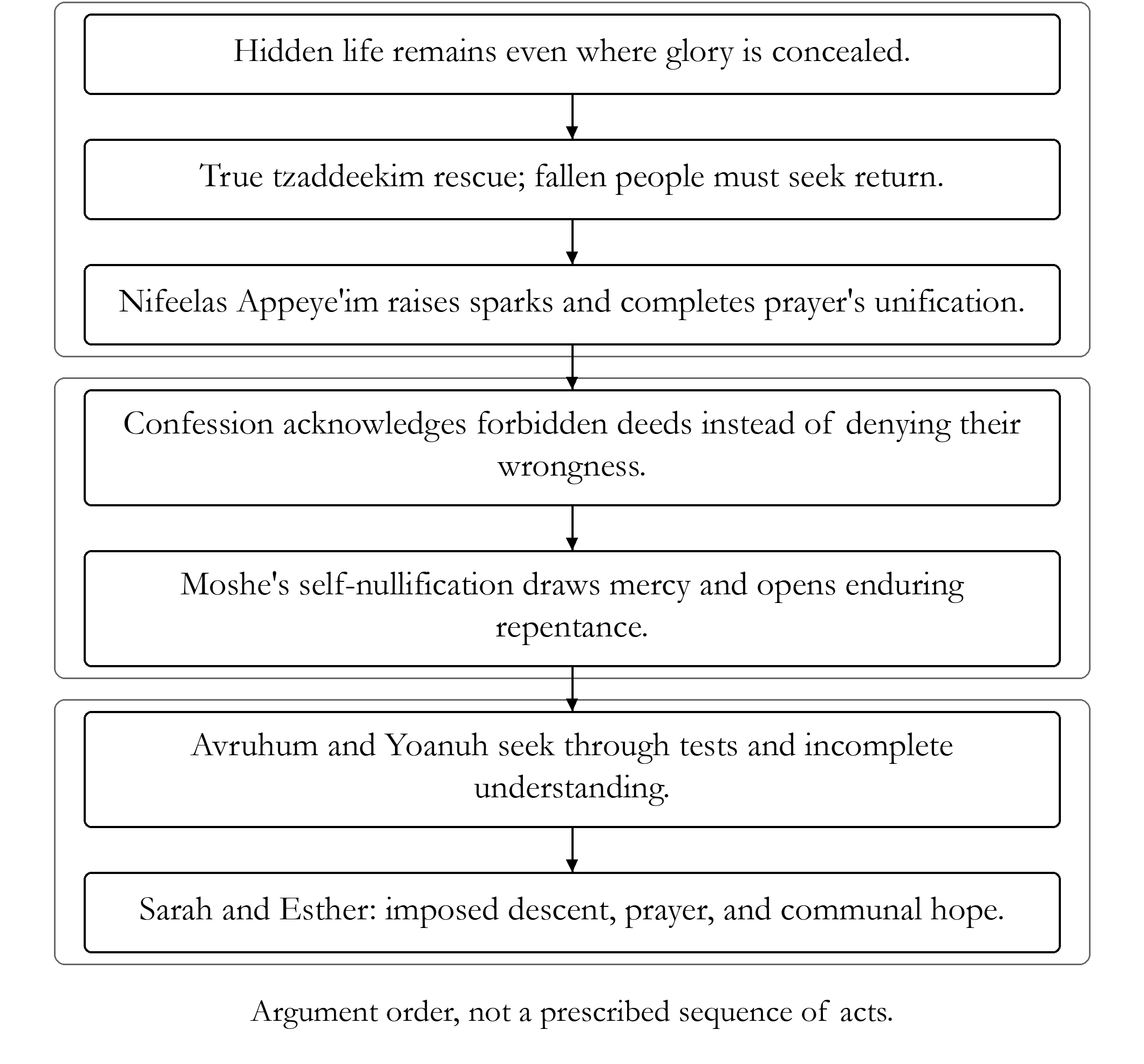
Diagram 1 — Argument Flow — Seeking Through Concealment
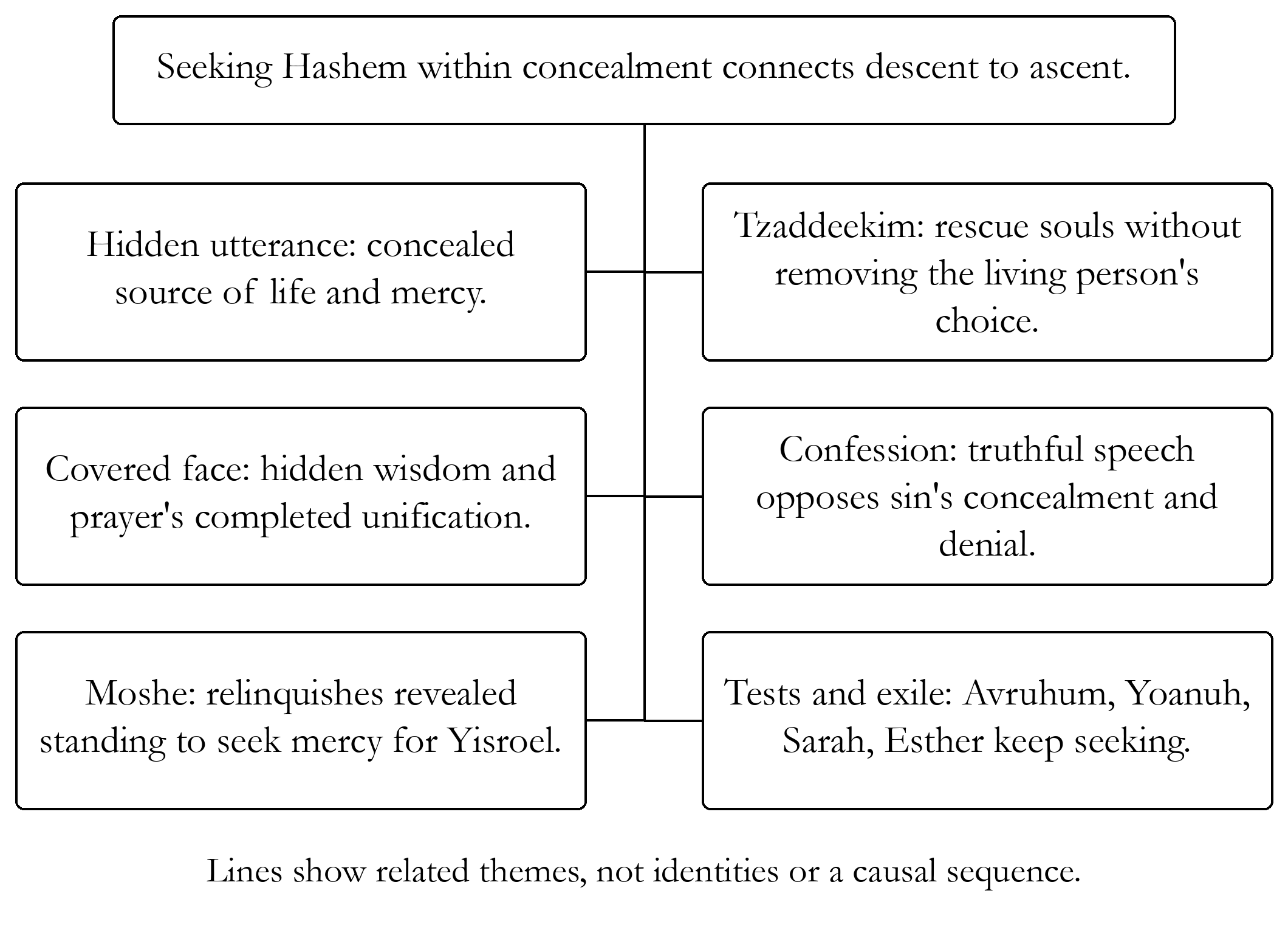
Diagram 2 — Concept Map — Seeking the Hidden Root
— End of translator study aid and diagrams. Not part of the original text of Likutay Halachos. —
Kidooshuh DiSidruh (Prayer-Order Sanctification) — Halacha 1
ענין קדושה דסידרא אThe Matter of Kidooshuh DiSidruh — Sanctification in the Concluding Prayer Order — Halacha 1
עִנְיַן קְדֻשָּׁה דְּסִידְרָא:
The Matter of Kidooshuh DiSidruh:
הֲלָכָה א:
Translation not yet available
א1
עִנְיַן קְדֻשָּׁה דְּסִידְרָא, שֶׁהוּא קְדֻשַּׁת וּבָא לְצִיּוֹן שֶׁאוֹמְרִים בִּלְשׁוֹן הַקֹּדֶשׁ וּבִלְשׁוֹן תַּרְגּוּם וְאָז מַמְשִׁיכִין הַשֶּׁפַע לְמַטָּה, כַּמּוּבָא בַּכַּוָּנוֹת:
The matter of Kidooshuh DiSidruh, which is the Kidooshuh of “Uva liTzeyoans” that is recited in the Holy Tongue and in the language of Targum: then the shefa is drawn below, as brought in the Kavunoas (Pree Aitz Cheye'im, Sha'ar Kreyas Sefer Torah, chapter 5).
עַל-פִּי מַה שֶּׁכָּתַב רַבֵּנוּ זִכְרוֹנוֹ לִבְרָכָה בְּמַאֲמַר "כִּי תֵצֵא לַמִּלְחָמָה" בְּלִקּוּטֵי תִּנְיָנָא ( סִימָן פב), עַיֵּן שָׁם הֵיטֵב כָּל הַמַּאֲמָר כִּי יֵשׁ בְּחִינַת כַּסֵּדֶר וְשֶׁלֹּא כַּסֵּדֶר, בְּחִינַת א"ב וְתַשְׁרַ"ק, בְּחִינַת אָחוֹר וָקֶדֶם וְכוּ' וְזֶה אָדָם וְחַוָּה, כַּסֵּדֶר וְשֶׁלֹּא כַּסֵּדֶר הֲוָיָה בְּמִלּוּי אַלְפִין גִּימַטְרִיָּא מָ"ה-אָדָם. וְחַוָּה בְּחִינַת מַלְכוּת פֶּה וְתוֹרָה שֶׁבְּעַל פֶּה וְכוּ' וְחַוָּה לְשׁוֹן דִּבּוּר וְכוּ' וְהַכְּלָל, כְּשֶׁהוֹלֵךְ לוֹ לְאָדָם שֶׁלֹּא כַּסֵּדֶר מֵחֲמַת שֶׁהוּא מְחַלֵּק בְּחִינַת מַלְכוּת לְעַצְמוֹ, הַיְנוּ שֶׁיֵּשׁ לוֹ גַּדְלוּת, בְּחִינַת אֲנָא אֶמְלֹךְ, וַאֲזַי הוֹלֵךְ לוֹ שֶׁלֹּא כַּסֵּדֶר, כִּי הוּא בְּתוֹךְ בְּחִינַת שֶׁלֹּא כַּסֵּדֶר, הַיְנוּ מַלְכוּת-חַוָּה-תַּשְׁרַ"ק וּכְשֶׁזֹּאת הַבְּחִינַת חַוָּה, הִיא מְקֻשֶּׁרֶת לְהַקָּדוֹשׁ בָּרוּךְ הוּא, הַיְנוּ לִבְחִינַת אָדָ"ם, אֲזַי הוֹלֵךְ לוֹ כַּסֵּדֶר, כִּי בַּאֲתַר דְּאִית דְּכָר וְכוּ' וּבְחִינַת כַּסֵּדֶר נִקְרָא יוּ"ד וְכוּ' וּכְשֶׁמְּחַלֵּק הָאַרְבַּע בְּחִינוֹת מַלְכוּת לְעַצְמוֹ אֲזַי נַעֲשֶׂה שֶׁלֹּא כַּסֵּדֶר, דַּוָּי וְכוּ' בְּחִינַת ( יְשַׁעְיָה א) וְכָל לֵבָב דַּוָּי, כִּי כְּשֶׁהוֹלֵךְ לוֹ לְאָדָם שֶׁלֹּא כַּסֵּדֶר זֶה לוֹ מַחֲלַת לֵב, כְּמוֹ שֶׁכָּתוּב "תּוֹחֶלֶת מְמֻשָּׁכָה וְכוּ'" וּכְשֶׁרוֹאֶה אָדָם שֶׁהוּא לוֹ שֶׁלֹּא כַּסֵּדֶר יֵדַע שֶׁיֵּשׁ לוֹ גַּדְלוּת וְכוּ', יַעֲשֶׂה תְּשׁוּבָה וְיַשְׁפִּיל אֶת עַצְמוֹ וְיִהְיֶה לוֹ בִּבְחִינַת מָ"ה וְכוּ' וְאָז נַחֲזֹר חַוָּה לִבְחִינַת אָדָם, לִבְחִינַת מָ"ה וְנַעֲשָׂה כַּסֵּדֶר וְכוּ' כִּי עִקַּר חִיּוּת הַמַּלְכוּת הוּא בְּחִינַת מָ"ה, שֶׁהוּא בְּחִינַת חָכְמָה כֹּ"חַ מָ"ה, שֶׁהוּא הַחִיּוּת שֶׁל כָּל הַדְּבָרִים, בְּחִינַת מַה כֹּחֵנוּ מַה חַיֵּינוּ וְכוּ' כְּמוֹ שֶׁכָּתוּב ( קֹהֶלֶת ז), "הַחָכְמָה תְּחַיֶּה" וְזֶהוּ ( תְּהִלִּים כד), "לַה' הָאָרֶץ וּמְלוֹאָהּ". כְּשֶׁהָאָרֶץ בְּחִינַת חַוָּה-מַלְכוּת, מְקֻשֶּׁרֶת לַה', אֲזַי הִיא בְּמִלּוּאָהּ וּבִשְׁלֵמוּת וְכוּ', עַיֵּן שָׁם כָּל זֶה הֵיטֵב וְעִקַּר הַתְּשׁוּבָה בְּחֹדֶשׁ אֱלוּל, כִּי אָז פָּתַח משֶׁה דֶּרֶךְ כְּבוּשָׁה לֵילֵךְ בָּהּ, כִּי משֶׁה קָשַׁר עַצְמוֹ אֲפִלּוּ לְהַפָּחוּת שֶׁבַּפְּחוּתִים וּמָסַר נַפְשׁוֹ עֲלֵיהֶם וְכוּ' גַּם בְּכָל עֲלִיָּה וַעֲלִיָּה מָצָא שָׁם הַקָּדוֹשׁ בָּרוּךְ הוּא וְכוּ', בְּחִינַת אִם אֶסַּק שָׁמַיִם שָׁם אָתָּה וְכוּ' וְזֶה סוֹד כַּוָּנוֹת אֱלוּל וְכוּ', עַיֵּן שָׁם כָּל זֶה הֵיטֵב:
Based on what Rabbainu, of blessed memory, wrote in the teaching ‘When you go out to war’ in Likutay Tinyana (teaching 82); study the entire teaching there well. For there is the aspect of in order and not in order, the aspect of the Alef-Bais and Tashrak, the reverse alphabetic order, the aspect of behind and before, etc. This is Adam and Chavuh, in order and not in order: Hava'ya with the filling of alefs has the numerical value of Mah, 45, Adam. Chavuh is the aspect of Malchoos, the mouth and the Oral Torah, etc.; Chavuh is an expression of speech, etc. The principle is that when things go for a person not in order, it is because he divides the aspect of Malchoos for himself, meaning that he has arrogance, the aspect of ‘I will rule.’ Then things go for him not in order, for he is within the aspect of not in order, that is, Malchoos, Chavuh, Tashrak. When this aspect of Chavuh is connected to the Holy One, blessed is He, that is, to the aspect of Adam, then things go for him in order, for ‘In a place where there is a male, etc.’ (Likutay Moharan II, 82; cf. Zohar III, Chookas 183b) The aspect of in order is called Yood, etc. When he divides the four aspects of Malchoos for himself, it then becomes not in order, davoy, sick, etc., in the aspect of (Yeshaya 1), ‘Every heart is sick.’ For when things go for a person not in order, this is heart-sickness for him, as it is written, ‘Hope deferred, etc.’ When a person sees that things are going for him not in order, he should know that he has arrogance, etc., repent and lower himself, and he should have the aspect of Mah, etc. Then we return Chavuh to the aspect of Adam, to the aspect of Mah, and it becomes in order, etc. For the essential vitality of Malchoos is the aspect of Mah, which is the aspect of wisdom, Chochmuh, koa'ach Mah, the power of Mah, which is the vitality of all things, the aspect of ‘What is our strength? What is our life?, etc.’ (Siddur Ashkenaz, morning prayers, “לעולם יהא אדם,” “רבון כל העולמים” paragraph) As it is written (Koheles 7), ‘Wisdom gives life.’ This is (Tehillim 24), ‘The earth and its fullness belong to G-d.’ When the earth, the aspect of Chavuh, Malchoos, is connected to G-d, then it is in its fullness and completeness, etc.; study all this there well. The essential repentance is in the month of Elul, for then Moshe opened a well-trodden path to walk upon. For Moshe connected himself even to the lowest of the low and devoted his very life to them, etc. Also, in each and every ascent, he found the Holy One, blessed is He, there, etc., in the aspect of ‘If I ascend to heaven, You are there, etc.’ This is the secret of the Kavunoas of Elul (see Sha'ar Roo'ach HaKoadesh, yeechood 16), etc.; study all this there well.
ב2
וְזֶה בְּחִינַת קְדֻשָּׁה דְּסִידְרָא שֶׁאוֹמְרִים אַחַר הַתְּפִלָּה, כִּי זֶה יָדוּעַ שֶׁהַתְּפִלָּה הִיא בְּחִינַת מַלְכוּת פֶּה, בְּחִינַת אֲדֹנָי שְׂפָתַי תִּפְתָּח וְכוּ' וְעִקַּר שְׁלֵמוּת הַתְּפִלָּה שֶׁמְּקַשְּׁרִין וּמְיַחֲדִין הַתְּפִלָּה לְהַשֵּׁם יִתְבָּרַךְ בְּאַחְדוּת גָּמוּר, כִּי מִי שֶׁזּוֹכֶה לִתְפִלָּה כָּרָאוּי בִּשְׁלֵמוּת אֲזַי הַתְּפִלָּה הִיא אַחְדוּת פָּשׁוּט עִם הַשֵּׁם יִתְבָּרַךְ, בִּבְחִינַת הוּא תְהִלָּתֶךָ וְהוּא אֱלֹהֶיךָ, כַּמּוּבָא בְּדִבְרֵי רַבֵּנוּ זִכְרוֹנוֹ לִבְרָכָה בְּמָקוֹם אַחֵר וּתְפִלָּה כָּזוֹ נִתְקַבֶּלֶת בְּוַדַּאי בִּבְחִינַת וְהָיָה טֶרֶם יִקְרָאוּ וַאֲנִי אֶעֱנֶה וְכוּ', וְנִתְמַלֵּא בַּקָּשָׁתוֹ מִיָּד בְּוַדַּאי, כִּי כְּשֶׁהַתְּפִלָּה נִכְלֶלֶת בּוֹ יִתְבָּרַךְ, זֶה בְּחִינַת אִשָּׁה שֶׁלֹּא כַּסֵּדֶר, בְּחִינַת חַוָּה מַלְכוּת, בְּחִינַת תְּפִלָּה נִכְלָל בִּבְחִינַת כַּסֵּדֶר, שֶׁהוּא בְּחִינַת אָדָם, דְּהַיְנוּ בְּהַקָּדוֹשׁ בָּרוּךְ הוּא וַאֲזַי נַעֲשֶׂה הַכֹּל כַּסֵּדֶר כַּנַּ"ל בַּמַּאֲמָר הַנַּ"ל, וַאֲזַי הוֹלֵךְ לְהָאָדָם כַּסֵּדֶר, דְּהַיְנוּ שֶׁנִּתְמַלֵּא בַּקָּשָׁתוֹ הֵפֶךְ בְּחִינַת שֶׁלֹּא כַּסֵּדֶר חַס וְשָׁלוֹם, שֶׁהִיא בְּחִינַת תּוֹחֶלֶת מְמֻשָּׁכָה מַחֲלָה לֵב, שֶׁאֵין נִתְמַלֵּא רְצוֹנוֹ וּבַקָּשָׁתוֹ חַס וְשָׁלוֹם, שֶׁזֶּה הוּא בְּחִינַת שֶׁלֹּא כַּסֵּדֶר אֲבָל כְּשֶׁנִּכְלֶלֶת הַתְּפִלָּה בּוֹ יִתְבָּרַךְ וְנִכְלָל בְּחִינַת תְּפִלָּה-מַלְכוּת, שֶׁהוּא בְּחִינַת שֶׁלֹּא כַּסֵּדֶר, בִּבְחִינַת כַּסֵּדֶר כַּנַּ"ל, אֲזַי נַעֲשֶׂה הַכֹּל כַּסֵּדֶר וְנִתְבַּטֵּל בְּחִינַת שֶׁלֹּא כַּסֵּדֶר, בְּחִינַת מַחֲלָה לֵב רַק נִתְמַלֵּא כָּל מִשְׁאֲלוֹת לִבּוֹ לְטוֹבָה, שֶׁזֶּהוּ בְּחִינַת כַּסֵּדֶר שֶׁהוֹלֵךְ לוֹ כַּסֵּדֶר כִּרְצוֹנוֹ וְנִתְמַלֵּא כָּל מִשְׁאֲלוֹתָיו בְּחִינַת ( שָׁם כ) יְמַלֵּא ה' כָּל מִשְׁאֲלוֹתֶיךָ וְכוּ' אֲבָל מִי שֶׁאֵין זוֹכֶה שֶׁתִּהְיֶה הַתְּפִלָּה נִכְלֶלֶת בּוֹ יִתְבָּרַךְ, וְזֶה מֵחֲמַת הַמַּחֲשָׁבוֹת זָרוֹת שַׁבַּתְּפִלָּה, דְּהַיְנוּ פְּנִיּוֹת וְגַדְלוּת שֶׁיֵּשׁ לוֹ בִּתְפִלָּתוֹ, חַס וְשָׁלוֹם, שֶׁזֶּה בְּחִינַת אֲנָא אֶמְלֹךְ שֶׁאָז מְחַלֵּק חַס וְשָׁלוֹם, בְּחִינַת מַלְכוּת שֶׁלֹּא כַּסֵּדֶר, לְעַצְמוֹ, וַאֲזַי הוּא בִּבְחִינַת שֶׁלֹּא כַּסֵּדֶר וַאֲזַי אֵין נִתְקַבֵּל תְּפִלָּתוֹ וְלֹא נִתְמַלֵּא מִשְׁאַלְתּוֹ, כִּי נַעֲשֶׂה לוֹ שֶׁלֹּא כַּסֵּדֶר חַס וְשָׁלוֹם, שֶׁהוּא בְּחִינַת תּוֹחֶלֶת מְמֻשָּׁכָה וְכוּ' כַּנַּ"ל, דְּהַיְנוּ שֶׁאֵין נִתְמַלֵּא תְּפִלָּתוֹ וְתוֹחַלְתּוֹ מֵחֲמַת שֶׁהוּא בְּתוֹךְ בְּחִינַת שֶׁלֹּא כַּסֵּדֶר עַל-יְדֵי שֶׁחִלֵּק בְּחִינַת מַלְכוּת לְעַצְמוֹ, עַל-יְדֵי הַפְּנִיּוֹת וְהַגַּדְלוּת שֶׁהָיָה לוֹ בִּתְפִלָּתוֹ, שֶׁהוּא בְּחִינַת אֲנָא אֶמְלֹךְ כַּנַּ"ל עַל-כֵּן צָרִיךְ לַעֲשׂוֹת תְּשׁוּבָה וְיַשְׁפִּיל אֶת עַצְמוֹ וַאֲזַי חוֹזֵר לִבְחִינַת מָ"ה, וַאֲזַי חוֹזֵר שֶׁלֹּא כַּסֵּדֶר וְנִכְלָל בְּכַסֵּדֶר, וַאֲזַי נִתְמַלֵּא בַּקָּשָׁתוֹ וְהוֹלֵךְ לוֹ כַּסֵּדֶר כַּנַּ"ל וְזֶהוּ בְּחִינַת קְדֻשָּׁה דְּסִידְרָא שֶׁאוֹמְרִים אַחַר הַתְּפִלָּה, לְהַמְשִׁיךְ הַשֶּׁפַע, כִּי כְּשֶׁרוֹצִים לְהַמְשִׁיךְ הַשֶּׁפַע שֶׁבָּאָה עַל-יְדֵי הַתְּפִלָּה, דְּהַיְנוּ שֶׁיִּתְמַלֵּא בַּקָּשָׁתוֹ וְחֶפְצוֹ שֶׁהִתְפַּלֵּל עָלָיו, אֲזַי צְרִיכִים שֶׁיִּתְבַּטֵּל בְּחִינַת שֶׁלֹּא כַּסֵּדֶר, דְּהַיְנוּ שֶׁבְּחִינַת שֶׁלֹּא כַּסֵּדֶר יִהְיֶה נֶחֱזָר וְנִכְלָל בִּבְחִינַת כַּסֵּדֶר כַּנַּ"ל, שֶׁעַל-יְדֵי זֶה נִתְמַלְּאִין כָּל הַבַּקָּשׁוֹת וְכוּ' כַּנַּ"ל עַל-כֵּן אוֹמְרִים אָז קְדֻשָּׁה דְּסִידְרָא, וַאֲזַי נִכְלָל שֶׁלֹּא כַּסֵּדֶר בִּבְחִינַת כַּסֵּדֶר, כִּי קָדוֹשׁ הוּא בְּחִינַת חָכְמָ"ה, כַּמּוּבָא וְחָכְמָה הִוא בְּחִינַת מָה כַּנַּ"ל וְזֶה בְּחִינַת ( יִרְמְיָה ב) קֹדֶשׁ יִשְׂרָאֵל לַה' רֵאשִׁית וְכוּ' וּכְתִיב ( תְּהִלִּים קיא), "רֵאשִׁית חָכְמָה" נִמְצָא, שֶׁקֹּדֶשׁ הוּא בְּחִינַת חָכְמָה, שֶׁהוּא בְּחִינַת מָה-אָדָם, בְּחִינַת אַתֶּם קְרוּיִין אָדָם, הַיְנוּ יִשְׂרָאֵל-עַם קָדוֹשׁ קְרוּיִים אָדָם, שֶׁהוּא בְּחִינַת מָה, בְּחִינַת חָכְמָה כַּנַּ"ל, בְּחִינַת יִשְׂרָאֵל עָלָה בַּמַּחֲשָׁבָה תְּחִלָּה, שֶׁהוּא בְּחִינַת חָכְמָה כִּי הַמַּחֲשָׁבָה הוּא בְּחִינַת חָכְמָה, כַּמּוּבָא נִמְצָא, שֶׁקְּדֻשָּׁה הוּא בְּחִינַת חָכְמָה, מָה-אָדָם, שֶׁזֶּה בְּחִינַת כַּסֵּדֶר וְזֶה בְּחִינַת יוּד מִינֵי קְדֻשָּׁה, כְּמוֹ שֶׁאָמְרוּ רַבּוֹתֵינוּ זִכְרוֹנָם לִבְרָכָה:
This is the aspect of Kidooshuh DiSidruh that is recited after prayer. For it is known that prayer is the aspect of Malchoos, the mouth, the aspect of ‘G-d, open my lips, etc.’ The essential completeness of prayer is connecting and unifying the prayer with G-d, blessed is He, in complete unity. For whoever merits prayer properly, in completeness, then the prayer is simple unity with G-d, blessed is He, in the aspect of ‘He is your praise and He is your G-d,’ as brought in the words of Rabbainu, of blessed memory (Likutay Moharan II, teaching 19). Such prayer is certainly accepted, in the aspect of ‘Before they call, I will answer, etc.,’ and his request is certainly fulfilled immediately. For when the prayer is included in Him, blessed is He, this is the aspect of woman, not in order, the aspect of Chavuh, Malchoos, the aspect of prayer, being included in the aspect of in order, which is the aspect of Adam, that is, in the Holy One, blessed is He. Then everything becomes in order, as above in the aforementioned teaching. Then things go for the person in order: that is, his request is fulfilled, the opposite of the aspect of not in order, G-d forbid, which is the aspect of ‘Hope deferred makes the heart sick,’ when his wish and request are not fulfilled, G-d forbid, which is the aspect of not in order. But when the prayer is included in Him, blessed is He, and the aspect of prayer, Malchoos, which is the aspect of not in order, is included in the aspect of in order, as above, then everything becomes in order. The aspect of not in order, the aspect of heart-sickness, is nullified; rather, all his heart’s requests are fulfilled for good, which is the aspect of in order: things go for him in order according to his wish, and all his requests are fulfilled, in the aspect of (ibid. 20), ‘May G-d fulfill all your requests, etc.’ But whoever does not merit that the prayer be included in Him, blessed is He—and this is because of the foreign thoughts in prayer, that is, the ulterior motives and arrogance he has in his prayer, G-d forbid, which is the aspect of ‘I will rule,’ when he divides, G-d forbid, the aspect of Malchoos, not in order, for himself—then he is in the aspect of not in order. His prayer is then not accepted and his request is not fulfilled, for it becomes not in order for him, G-d forbid, which is the aspect of ‘Hope deferred, etc.,’ as above: that is, his prayer and his hope are not fulfilled because he is within the aspect of not in order through having divided the aspect of Malchoos for himself, through the ulterior motives and arrogance he had in his prayer, which is the aspect of ‘I will rule,’ as above. Therefore he must repent and lower himself. Then he returns to the aspect of Mah, and then not in order returns and is included in in order. Then his request is fulfilled and things go for him in order, as above. This is the aspect of Kidooshuh DiSidruh recited after prayer, to draw the shefa. For when one wishes to draw the shefa that comes through prayer, meaning that his request and desire for which he prayed be fulfilled, the aspect of not in order must then be nullified: that is, the aspect of not in order must return and be included in the aspect of in order, as above, through which all requests are fulfilled, etc., as above. Therefore we then say Kidooshuh DiSidruh, and then not in order is included in the aspect of in order. For kudoash, holy, is the aspect of Chochmuh, wisdom, as brought, and Chochmuh is the aspect of Mah, as above. This is the aspect of (Yirmeya 2), ‘Yisroel is holy to G-d, the first, etc.,’ and it is written (Tehillim 111), ‘The beginning of wisdom.’ It follows that koadesh, holiness, is the aspect of Chochmuh, which is the aspect of Mah, Adam, the aspect of ‘You are called Adam’ (Yivumoas 61a): that is, Yisroel, the holy people, are called Adam, which is the aspect of Mah, the aspect of Chochmuh, as above, the aspect of ‘Yisroel arose in thought first’ (Biraishis Rabbuh 1:4), which is the aspect of Chochmuh, for thought is the aspect of Chochmuh, as brought. It follows that Kidooshuh is the aspect of Chochmuh, Mah, Adam, which is the aspect of in order. This is the aspect of ten types of holiness, as our Sages, of blessed memory, said (Kailim 1:6–9).
וְזֶה בְּחִינַת אֵין קְדֻשָּׁה בְּפָחוֹת מֵעֲשָׂרָה, כִּי קְדֻשָּׁה זֶה בְּחִינַת כַּסֵּדֶר, שֶׁהוּא בְּחִינַת יוּד כַּנַּ"ל בַּמַּאֲמָר הַנַּ"ל וְאָנוּ אוֹמְרִים הַקְּדֻשָּׁה אָז בִּלְשׁוֹן הַקֹּדֶשׁ וּבִלְשׁוֹן תַּרְגּוּם לְשׁוֹן תַּרְגּוּם הוּא בְּחִינַת שֶׁלֹּא כַּסֵּדֶר, בְּחִינַת חַוָּה שֶׁעִקַּר בִּנְיָנָהּ עַל-יְדֵי תַּרְדֵּמָה, כְּמוֹ שֶׁכָּתוּב ( בְּרֵאשִׁית כ), "וַיַּפֵּל ה' אֱלֹהִים תַּרְדֵּמָה וְכוּ'". תַּרְדֵּמָה הוּא בְּמִסְפַּר תַּרְגּוּם, כַּמּוּבָא כִּי לְשׁוֹן הַקֹּדֶשׁ וּלְשׁוֹן תַּרְגּוּם שֶׁמִּמֶּנּוּ יוֹנְקִים הַשִּׁבְעִים לְשׁוֹנוֹת הֵם בְּחִינַת כַּסֵּדֶר וְשֶׁלֹּא כַּסֵּדֶר, כִּי עִקַּר סִדּוּר הַלָּשׁוֹן הוּא לְשׁוֹן הַקֹּדֶשׁ שֶׁבּוֹ נִבְרָא הָעוֹלָם וְזֶהוּ הַצֵּרוּף הָאֲמִתִּי מְסֻדָּר כָּרָאוּי בְּחִינַת כַּסֵּדֶר, אֲבָל הַצֵּרוּפִים שֶׁל שְׁאָר לְשׁוֹנוֹת הֵם בִּבְחִינַת שֶׁלֹּא כַּסֵּדֶר, כִּי הֵם נִקְרָאִים לְשׁוֹן עִלְּגִים וְאֵין לָהֶם שְׁלֵמוּת וְהֵם בִּבְחִינַת שֶׁלֹּא כַּסֵּדֶר, כִּי צֵרוּפֵיהֶם אֵינָם מְסֻדָּרִים כַּסֵּדֶר הָרָאוּי מִשֵּׁשֶׁת יְמֵי בְּרֵאשִׁית בְּעֵת בְּרִיאַת הָעוֹלָם, כִּי סֵדֶר הַבְּרִיאָה הָיָה רַק עַל-יְדֵי לְשׁוֹן הַקֹּדֶשׁ וְעַל-כֵּן אָנוּ אוֹמְרִים קְדֻשָּׁה דְּסִידְרָא בִּלְשׁוֹן הַקֹּדֶשׁ וּבִלְשׁוֹן תַּרְגּוּם, כְּדֵי שֶׁיִּהְיֶה נִכְלָל בְּחִינַת תַּרְגּוּם, בְּחִינַת שֶׁלֹּא כַּסֵּדֶר בְּתוֹךְ בְּחִינַת כַּסֵּדֶר, שֶׁהוּא בְּחִינַת הַקְּדֻשָּׁה בִּלְשׁוֹן הַקֹּדֶשׁ, שֶׁהוּא בְּחִינַת כַּסֵּדֶר, בְּחִינַת חָכְמָה וְכוּ', בְּחִינַת קָדוֹשׁ וּבִשְׁבִיל זֶה נִקְרָא לְשׁוֹן הַקֹּדֶשׁ עַל שֶׁזֶּה הַלָּשׁוֹן נִכְלָל בִּבְחִינַת כַּסֵּדֶר, שֶׁהוּא בְּחִינַת קָדוֹשׁ כַּנַּ"ל וְעַכְשָׁו אָנוּ כּוֹלְלִים גַּם לְשׁוֹן תַּרְגּוּם שֶׁמִּשָּׁם יְנִיקַת הַשִּׁבְעִים לְשׁוֹנוֹת, שֶׁהוּא עִקַּר בְּחִינַת שֶׁלֹּא כַּסֵּדֶר, בְּחִינַת תַּרְדֵּמָה כַּנַּ"ל וְנִכְלָל הַכֹּל בִּבְחִינַת קֹדֶשׁ בִּלְשׁוֹן הַקֹּדֶשׁ עַל -יְדֵי הַקְּדֻשָּׁה שֶׁאוֹמְרִים בִּלְשׁוֹן הַקֹּדֶשׁ וּבִלְשׁוֹן תַּרְגּוּם כַּנַּ"ל וְעַל -כֵּן אָז נִמְשָׁךְ הַשֶּׁפַע וְנִתְמַלֵּא כָּל מִשְׁאֲלוֹת לִבֵּנוּ לְטוֹבָה עַל -יְדֵי שֶׁנִּכְלָל שֶׁלֹּא כַּסֵּדֶר בְּתוֹךְ בְּחִינַת כַּסֵּדֶר כַּנַּ"ל וְעַל שֵׁם זֶה נִקְרָא 'קְדוּשָׁא דְּסִידְרָא', דְּסִידְרָא דַּיְקָא, כִּי עִקַּר קְדֻשָּׁה זוֹ כְּדֵי שֶׁיִּהְיֶה נַעֲשֶׂה הַכֹּל כַּסֵּדֶר כַּנַּ"ל, כְּדֵי שֶׁיִּתְמַלֵּא אֲזַי מִשְׁאֲלוֹת לִבֵּנוּ, שֶׁזֶּהוּ בְּחִינַת יְרִידַת הַשֶּׁפַע בְּעֵת שֶׁאוֹמְרִים קְדֻשָּׁה דְּסִידְרָא כַּנַּ"ל:
This is the aspect of (Brachos 21b) ‘There is no Kidooshuh with fewer than ten,’ for Kidooshuh is the aspect of in order, which is the aspect of Yood, as above in the aforementioned teaching. We then recite the Kidooshuh in the Holy Tongue and in the language of Targum. The language of Targum is the aspect of not in order, the aspect of Chavuh, whose essential construction is through deep sleep, as it is written (Biraishis 20), ‘G-d Eloakeem caused a deep sleep to fall, etc.’ Tardaimuh, deep sleep, has the numerical value of Targum, as brought. For the Holy Tongue and the language of Targum, from which the seventy languages draw sustenance, are the aspect of in order and not in order. For the essential ordering of language is the Holy Tongue, through which the world was created. This is the true combination, ordered properly, the aspect of in order, but the combinations of the other languages are in the aspect of not in order, for they are called stammering tongues, and they do not have completeness. They are in the aspect of not in order, for their combinations are not arranged in the proper order from the six days of Biraishis, at the time of the creation of the world, for the order of Creation was only through the Holy Tongue. Therefore we recite Kidooshuh DiSidruh in the Holy Tongue and in the language of Targum, so that the aspect of Targum, the aspect of not in order, will be included within the aspect of in order, which is the aspect of the Kidooshuh in the Holy Tongue, which is the aspect of in order, the aspect of wisdom, etc., the aspect of holy. For this reason it is called the Holy Tongue, because this language is included in the aspect of in order, which is the aspect of holy, as above. Now we also include the language of Targum, from which the seventy languages draw sustenance, which is the essential aspect of not in order, the aspect of deep sleep, as above. Everything is included in the aspect of holiness in the Holy Tongue, through the Kidooshuh recited in the Holy Tongue and in the language of Targum, as above. Therefore the shefa is then drawn, and all our heart’s requests are fulfilled for good, through not in order being included within the aspect of in order, as above. For this reason it is called Kidooshuh DiSidruh, specifically DiSidruh, for the essence of this Kidooshuh is that everything should become in order, as above, so that our heart’s requests may then be fulfilled. This is the aspect of the descent of the shefa at the time we recite Kidooshuh DiSidruh, as above.
ג3
וְזֶה בְּחִינַת שָׁלשׁ קְדֻשּׁוֹת כְּנֶגֶד בְּחִינַת שְׁלשָׁה אַלְפִין שֶׁיֵּשׁ בַּשֵּׁם מָ"ה, שֶׁהוּא בְּחִינַת אָדָם וְזֶה בְּחִינַת קַדִּישׁ בִּשְׁמֵי מְרוֹמָא עִלָּאָה בֵּית שְׁכִינְתֵּהּ, קַדִּישׁ עַל אַרְעָא וְכוּ' זֶה בְּחִינַת הַתְּשׁוּבָה הַנַּ"ל בַּמַּאֲמָר הַנַּ"ל, שֶׁהוּא בִּבְחִינַת אִם אֶסַּק שָׁמַיִם שָׁם אָתָּה וְאַצִּיעָה שְׁאוֹל הִנֶּךָּ כַּנַּ"ל בַּמַּאֲמָר הַנַּ"ל, שֶׁזֶּהוּ בְּעַצְמוֹ בְּחִינַת קַדִּישׁ בִּשְׁמֵי מְרוֹמָא עִלָּאָה קַדִּישׁ עַל אַרְעָא וְכוּ' וְזֶה מְלֹא כָל הָאָרֶץ כְּבוֹדוֹ, בְּחִינַת לַה' הָאָרֶץ וּמְלוֹאָהּ שֶׁמַּמְשִׁיכִין הַקְּדֻשָּׁה עָלֵינוּ עַל בְּחִינַת מַלְכוּת שֶׁהוּא בְּחִינַת אֶרֶץ וְעַל-יְדֵי זֶה הוּא בִּמְלוֹאָהּ וּבִשְׁלֵמוּת כַּנַּ"ל, כִּי מַלְכוּת בְּחִינַת אֶרֶץ, נִכְלָל בִּבְחִינַת כַּסֵּדֶר, בְּחִינַת אָדָם, בְּחִינַת קָדוֹשׁ כַּנַּ"ל:
This is the aspect of the three Kidooshoas, corresponding to the aspect of the three alefs in the Name Mah, which is the aspect of Adam. This is the aspect of ‘Holy in the highest heavens above, the dwelling of His Shechinah; holy upon the earth, etc.’ (Targum on Yeshaya 6:3). This is the aspect of the repentance mentioned above in the aforementioned teaching, which is in the aspect of ‘If I ascend to heaven, You are there; if I make my bed in the grave, behold You,’ as above in the aforementioned teaching. This itself is the aspect of ‘Holy in the highest heavens above; holy upon the earth, etc.’ This is ‘The whole earth is full of His glory,’ the aspect of ‘The earth and its fullness belong to G-d’: we draw the holiness upon ourselves, upon the aspect of Malchoos, which is the aspect of earth, and through this it is in its fullness and completeness, as above. For Malchoos, the aspect of earth, is included in the aspect of in order, the aspect of Adam, the aspect of holy, as above.
ד4
וְזֶה בְּחִינַת אַשְׁרֵי שֶׁאוֹמְרִים מִקֹּדֶם, דְּהַיְנוּ תְּהִלָּה לְדָוִד שֶׁנִּתְיַסֵּד עַל-פִּי א"ב שֶׁכְּלוּלִים בּוֹ הַכ"ב אַתְוָן, כִּי תְּהִלָּה לְדָוִד זֶה בְּחִינַת מַלְכוּת פֶּה כְּדֵי שֶׁתִּהְיֶה נִכְלֶלֶת בִּבְחִינַת א"ב כַּסֵּדֶר עַל-יְדֵי קְדֻשָּׁה דְּסִידְרָא כַּנַּ"ל:
This is the aspect of Ashray recited beforehand: that is, “A praise of Dovid,” which is arranged according to the Alef-Bais and contains the twenty-two letters. For “A praise of Dovid” is the aspect of Malchoos, the mouth, so that it will be included in the aspect of the Alef-Bais, in order, through Kidooshuh DiSidruh, as above.
ה5
וְזֶה בְּחִינַת וּבָא לְצִיּוֹן גּוֹאֵל וּלְשָׁבֵי פֶשַׁע וְכוּ' כִּי בְּצִיּוֹן שֶׁשָּׁם הַבֵּית הַמִּקְדָּשׁ וְקֹדֶשׁ קֳדָשִׁים, שָׁם כְּלוּלִים כָּל הַיּוּד מִינֵי קְדֻשּׁוֹת שֶׁיֵּשׁ בְּאֶרֶץ יִשְׂרָאֵל וְעַל-כֵּן שָׁם שַׁעַר הַשָּׁמַיִם, שֶׁדֶּרֶךְ שָׁם עוֹלִין כָּל הַתְּפִלּוֹת, כִּי הָעוֹלָם בִּכְלָלוֹ נֶגֶד הַשֵּׁם יִתְבָּרַךְ הוּא בִּבְחִינַת שֶׁלֹּא כַּסֵּדֶר, בְּחִינַת תשר"ק בִּבְחִינַת בְּתִשְׁרֵי נִבְרָא הָעוֹלָם תִּשְׁרֵי הוּא בְּחִינַת תשר"ק, כַּמּוּבָא כִּי כַּסֵּדֶר זֶה בְּחִינַת מָ"ה וְהָעוֹלָם הוּא בְּחִינַת יֵשׁ, שֶׁהוּא בְּחִינַת שֶׁלֹּא כַּסֵּדֶר, כִּי הַנְהָגַת הָעוֹלָם עַל-יְדֵי בְּחִינַת מַלְכוּת, שֶׁהוּא בְּחִינַת שֶׁלֹּא כַּסֵּדֶר וְעִקַּר חִיּוּת וְקִיּוּם הָעוֹלָם עַל-יְדֵי שֶׁהָעוֹלָם נִכְלָל בִּקְדֻשָּׁתוֹ יִתְבָּרַךְ, דְּהַיְנוּ עַל-יְדֵי יִשְׂרָאֵל קְדוֹשִׁים שֶׁמְּקַדְּשִׁין עַצְמָן וּמְקַדְּשִׁין אֶת הָעוֹלָם וְאָז נִכְלָל הָעוֹלָם בִּקְדֻשָּׁתוֹ יִתְבָּרַךְ וְאָז נִכְלָל הָעוֹלָם בִּבְחִינַת כַּסֵּדֶר, שֶׁהוּא בְּחִינַת קֹדֶשׁ, וְזֶה עִקַּר הַחִיּוּת כַּנַּ"ל כִּי עִקַּר הַחִיּוּת הוּא עַל-יְדֵי בְּחִינַת כַּסֵּדֶר כַּנַּ"ל בַּמַּאֲמָר הַנַּ"ל, וְעִקַּר קִיּוּם וְחִיּוּת הָעוֹלָם עַל-יְדֵי אֶרֶץ יִשְׂרָאֵל שֶׁשָּׁם כָּל הַיּוּד מִינֵי קְדֻשּׁוֹת, כִּי יֵשׁ קְדֻשָּׁה לְמַעְלָה מִקְּדֻשָּׁה, כְּמוֹ שֶׁאָמְרוּ רַבּוֹתֵינוּ זִכְרוֹנָם לִבְרָכָה, הַהֵיכָל מְקֻדָּשׁ מִמֶּנּוּ וְכוּ' עַד לִפְנַי וְלִפְנִים שֶׁהוּא קֹדֶשׁ קֳדָשִׁים, הוּא הָאֶבֶן שְׁתִיָּה, שֶׁהוּא הַקְּדֻשָּׁה הָעֲשִׂירִית הָעֶלְיוֹנָה מִכֻּלָּם, וְשָׁם כְּלוּלִים כָּל הַיּוּד מִינֵי קְדֻשּׁוֹת וְהָאֶבֶן שְׁתִיָּה הִיא הַנְּקֻדָּה שֶׁמִּמֶּנָּה הֻשְׁתַּת הָעוֹלָם וְהַנְּקֻדָּה אֵין בָּהּ תְּפִיסָה וְהִיא בִּבְחִינַת מָ"ה, כִּי זֹאת הַנְּקֻדָּה, שֶׁכְּלוּלָה מֵעֲשָׂרָה מִינֵי קְדֻשּׁוֹת, נִכְלֶלֶת בִּבְחִינַת מָה, שֶׁהוּא בְּחִינַת חָכְמָה-קֹדֶשׁ וְעַל-כֵּן עִקַּר עֲלִיַּת הַתְּפִלּוֹת הֵם דֶּרֶךְ הָאֶבֶן שְׁתִיָּה, כִּי דֶּרֶךְ שָׁם נִכְלָלִין הַתְּפִלּוֹת בְּחִינַת שֶׁלֹּא כַּסֵּדֶר, בִּבְחִינַת מָה-כַּסֵּדֶר כַּנַּ"ל וְזֶה שֶׁמַּזְכִּירִין בִּקְדֻשָּׁא דְּסִידְרָא קְדֻשַּׁת צִיּוֹן, בְּחִינַת וּבָא לְצִיּוֹן גּוֹאֵל, כִּי עִקַּר כְּלָלִיּוּת שֶׁלֹּא כַּסֵּדֶר בִּבְחִינַת כַּסֵּדֶר, שֶׁזֶּהוּ בְּחִינַת קְדֻשָּׁה דְּסִידְרָא, הוּא דֶּרֶךְ צִיּוֹן שֶׁשָּׁם הָאֶבֶן שְׁתִיָּה שֶׁדֶּרֶךְ שָׁם עוֹלִין כָּל הַתְּפִלּוֹת עַל-יְדֵי הַנְּקֻדָּה שֶׁל הָאֶבֶן שְׁתִיָּה שֶׁנִּכְלֶלֶת בִּבְחִינַת מָ"ה, בִּבְחִינַת קָדוֹשׁ, כִּי שָׁם כְּלוּלִין כָּל הַיּוּד מִינֵי קְדֻשּׁוֹת כַּנַּ"ל וְזֶהוּ "וּבָא לְצִיּוֹן גּוֹאֵל" כִּי עִקַּר בְּחִינַת כַּסֵּדֶר יִהְיֶה בְּעֵת בִּיאַת הַגּוֹאֵל צֶדֶק בִּמְהֵרָה בְּיָמֵינוּ, כִּי עַכְשָׁו מִתְנַהֵג הַכֹּל שֶׁלֹּא כַּסֵּדֶר, כִּי יִשְׂרָאֵל לְמַטָּה בִּשְׁפֵלוּת וְהָאֻמּוֹת הֵם בִּגְדֻלָּה, שֶׁלֹּא כַּסֵּדֶר הָרָאוּי, אֲבָל כְּשֶׁיָּבוֹא מָשִׁיחַ יִהְיֶה הַכֹּל כַּסֵּדֶר, שֶׁיִּשְׂרָאֵל יִהְיוּ לְמַעְלָה וְכֵן בֵּין יִשְׂרָאֵל בְּעַצְמָן כָּל מִי שֶׁמְּקֹרָב יוֹתֵר אֶל הַשֵּׁם יִתְבָּרַךְ בֶּאֱמֶת יִהְיֶה לְמַעְלָה בִּגְדֻלָּה וְטוֹבָה לֹא כְּמוֹ שֶׁמִּתְנַהֵג עַכְשָׁו שֶׁלֹּא כַּסֵּדֶר נִמְצָא, שֶׁעִקַּר בְּחִינַת כַּסֵּדֶר יִהְיֶה בְּעֵת שֶׁיָּבוֹא לְצִיּוֹן גּוֹאֵל כַּנַּ"ל וְעַל-כֵּן מַזְכִּירִין וּבָא לְצִיּוֹן גּוֹאֵל בִּקְדֻשָּׁה דְּסִידְרָא, כְּדֵי לְעוֹרֵר הִתְנוֹצְצוּת מָשִׁיחַ, כְּדֵי לְהַמְשִׁיךְ גַּם עַכְשָׁו בְּחִינַת כַּסֵּדֶר, הַיְנוּ שֶׁפַע בְּרָכָה וְטוֹבָה כַּנַּ"ל:
This is the aspect of “A redeemer comes to Tzeyoan, and to those who return from transgression,” etc. For in Tzeyoan, where the Bais HaMikdush and the Holy of Holies are, all ten kinds of holiness that exist in Eretz Yisroel are included. Therefore the Gate of Heaven is there, through which all prayers ascend. For the world as a whole, in relation to G-d, blessed be He, is in the aspect of not being in order, the aspect of Tashrak, corresponding to “In Tishray the world was created” (Roash HaShunuh 10b). Tishray is the aspect of Tashrak, as is brought. For being in order is the aspect of Mah, whereas the world is the aspect of something existent, which is the aspect of not being in order; for the governance of the world is through the aspect of Malchoos, which is the aspect of not being in order. The essential vitality and existence of the world come through the world being included in His holiness, blessed be He, namely, through holy Yisroel, who sanctify themselves and sanctify the world. Then the world is included in His holiness, blessed be He, and then the world is included in the aspect of being in order, which is the aspect of holiness. This is the essential vitality, as above, for the essential vitality is through the aspect of being in order, as explained above in the aforementioned teaching. The essential existence and vitality of the world come through Eretz Yisroel, where all ten kinds of holiness are. For there is holiness above holiness, as our Rabbis of blessed memory said (Kailim 1:9): “The Sanctuary is holier than it,” etc., up to the innermost chamber, which is the Holy of Holies, the Foundation Stone, which is the tenth holiness, higher than them all, and there all ten kinds of holiness are included. The Foundation Stone is the point from which the world was founded. The point cannot be grasped, and it is in the aspect of Mah; for this point, which comprises ten kinds of holiness, is included in the aspect of Mah, which is the aspect of wisdom–holiness. Therefore the principal ascent of the prayers is through the Foundation Stone, for through there the prayers, the aspect of not being in order, are included in the aspect of Mah–being in order, as above. This is why in Kidooshuh DiSidruh we mention the holiness of Tzeyoan, the aspect of “A redeemer comes to Tzeyoan.” For the principal inclusion of not being in order within the aspect of being in order, which is the aspect of Kidooshuh DiSidruh, is through Tzeyoan, where the Foundation Stone is, through which all prayers ascend, by means of the point of the Foundation Stone, which is included in the aspect of Mah, in the aspect of “holy.” For there all ten kinds of holiness are included, as above. This is “A redeemer comes to Tzeyoan”: for the principal aspect of being in order will be at the coming of the righteous redeemer, speedily in our days. For now everything is conducted not in order: Yisroel are below in lowliness, and the nations are in greatness, not according to the fitting order. But when Mushee'ach comes, everything will be in order, for Yisroel will be above. Likewise, among Yisroel themselves, whoever is truly closer to G-d, blessed be He, will be above in greatness and goodness, not as things are conducted now, not in order. Thus the principal aspect of being in order will be when a redeemer comes to Tzeyoan, as above. Therefore we mention “A redeemer comes to Tzeyoan” in Kidooshuh DiSidruh, to arouse the sparkling of Mushee'ach, in order to draw even now the aspect of being in order, namely an influx of blessing and goodness, as above.
וּשְׁאָרֵי הֲלָכוֹת הַמְדַבְּרִים מֵעִנְיְנֵי קְדֻשָּׁה דְּסִידְרָא, נִכְלָל כָּל אַחַת וְאַחַת בְּהִלְכוֹת נְפִילַת אַפַּיִם:
Each and every one of the remaining halachos that discuss matters of Kidooshuh DiSidruh is included in the Hilchos Nifeelas appeye'im.
Summary & study aids — The Matter of Kidooshuh DiSidruh — Sanctification in the Concluding Prayer Order — Halacha 1
Translator's editorial learning aids; separate from the original teaching
Translator's Summary — Kidooshuh DiSidruh — Sanctification in the Concluding Prayer Order — Halacha 1
Overview and study aid from the translator; not part of the original text of Likutay Halachos.
Core Message
Reb Noson explains Kidooshuh DiSidruh as drawing divine abundance below by including prayer, translated speech, and the world within holy order. Malchoos receives life through connection to Hashem; claiming it independently brings disorder and heart-sickness. Repentance and humility restore that connection. Adam and Chavuh express related spiritual aspects, not moral judgments about men and women. Sacred Hebrew includes Targum within its order, rather than rejecting it. Ashray, the three holy declarations, and Tzeyoan express this inclusion; redemption completes the order whose blessing is awakened even now.
Main Pillars
• Adam and Chavuh correspond to order and reverse order; their correction is connection, not rejection.
• Repentance humbles independent self-rule. In Elul, Moshe opened a path reaching even the lowest people.
• Reb Noson asserts immediate fulfillment for prayer merited in complete unity with Hashem; this is not an automatic recitation guarantee.
• Holiness corresponds to wisdom, Mah, and order, expressed through yood and ten levels.
• Reb Noson calls other languages incomplete relative to Creation's sacred Hebrew; paired recitation includes Targum, nourishing seventy languages, within holiness.
• Three holy declarations correspond to Mah's three alefs and holiness above and below; Ashray's alphabetic praise prepares speech for inclusion.
• Yisroel sanctify themselves and the world; Tzeyoan's Foundation Stone gathers ten levels of holiness and is prayer's gateway into Mah.
• Reb Noson portrays redemption as raising Yisroel above the nations; within Yisroel, true closeness to Hashem determines greater standing.
Practical Takeaways
• Examine your own pride when affairs seem disordered; respond with repentance and humility.
• Redirect prayer from self-interested motives toward Hashem, without claiming guaranteed results.
• Do not abandon repentance in lowliness; Hashem is present even in the depths.
• Study the paired languages, Ashray, and Tzeyoan as expressions of speech entering holiness.
— Translator's summary. Not part of the original text of Likutay Halachos. —
Expanded Study Aid — Kidooshuh DiSidruh — Sanctification in the Concluding Prayer Order — Halacha 1
Key Terms and Concept Notes
• Order and what is not in order — Relational aspects; being outside order is not simply moral evil.
• Adam and Chavuh — Masculine and feminine correspondences whose connection brings completeness.
• Malchoos — Kingship: mouth, Oral Torah, prayer, and worldly governance; not arrogance itself.
• Mah and Chochmuh — The alef-filled Divine Name (45) and life-giving wisdom, approached through humility.
• Lashoan HaKoadesh and Targum — Targum corresponds to deep sleep; paired recitation includes it in sacred Hebrew.
• Holiness and ten — Yood and ten levels express holy order, culminating at the Foundation Stone.
• Divine abundance — Abundance descending as requests are fulfilled for good through inclusion in holy order.
• Tzeyoan and the Foundation Stone — Prayer's gateway; the Stone's foundation-point is associated with Mah, beyond grasp.
Series Continuity Note
Applying Likutay Moharan II:82, these five items extend repentance's restoration of order through prayer and language to the world and redemption. The closing note locates further discussions within the laws of falling on the face.
Diagram 1 — Argument Flow — Return and Inclusion in Holy Order
Diagram 2 — Concept Map — Relations Within Kidooshuh DiSidruh
— End of translator study aid and diagrams. Not part of the original text of Likutay Halachos. —
Kreyas HaTorah (Public Torah Reading) — Halacha 1
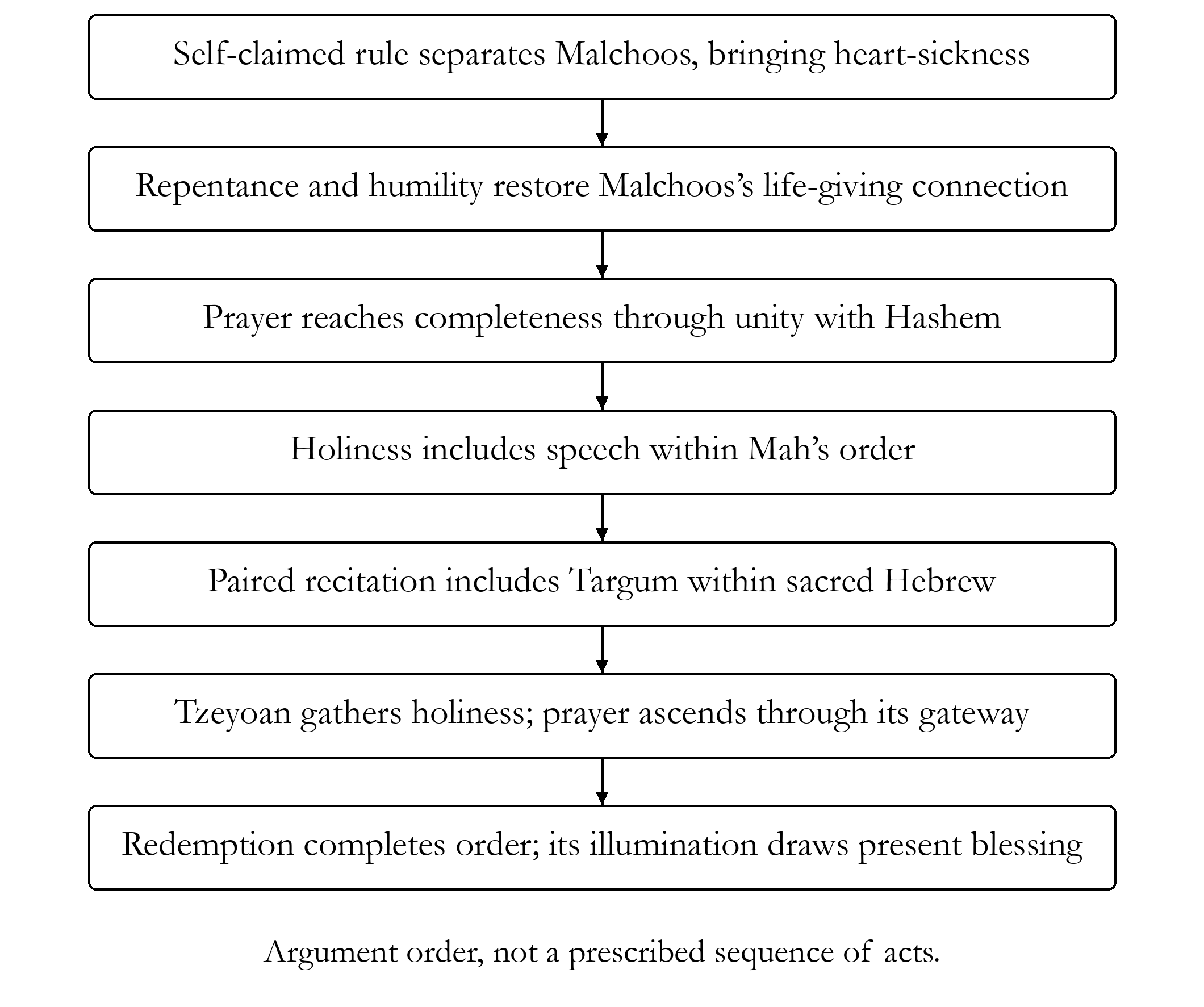
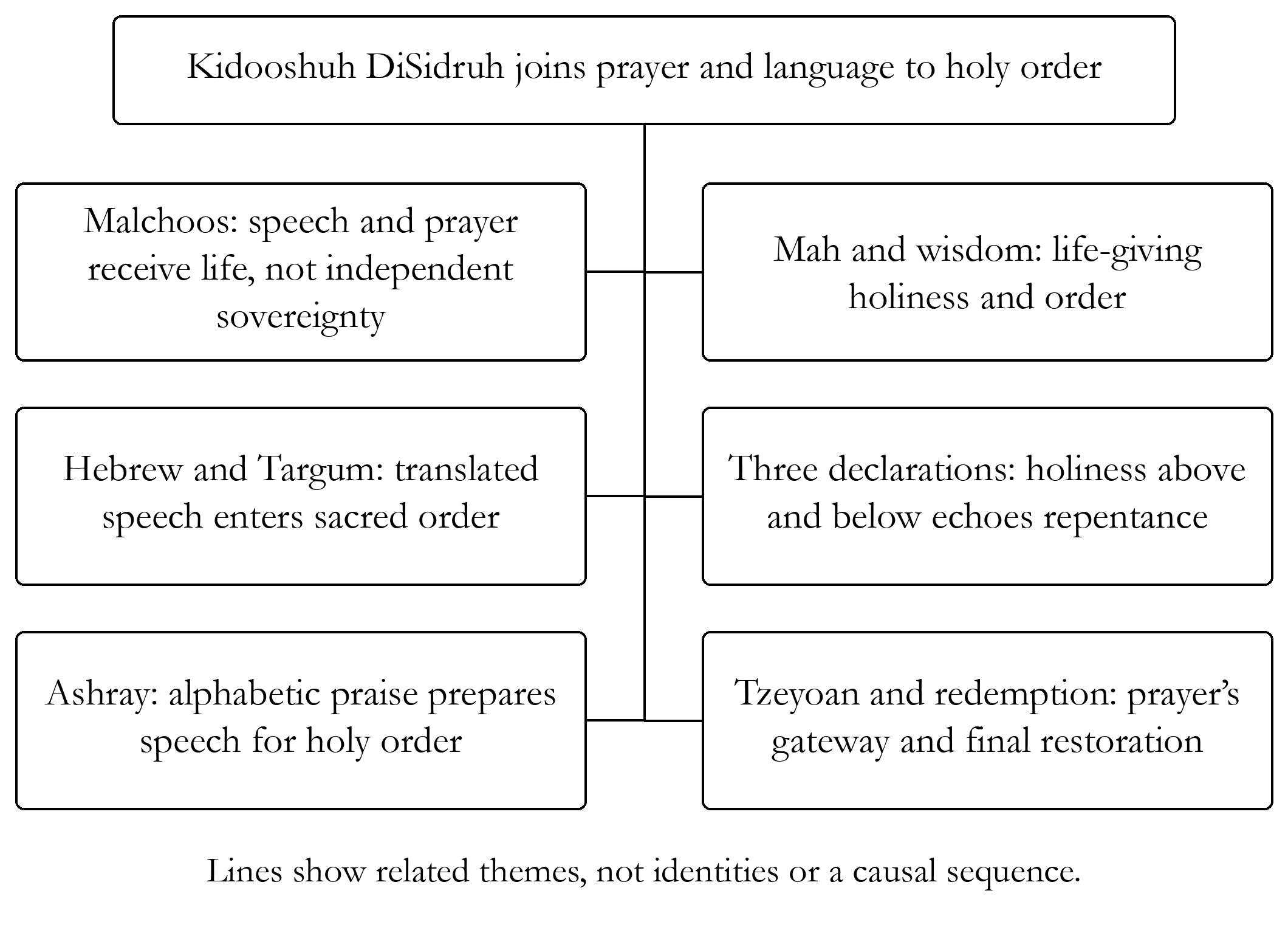
Earlier annotations and link context
Earlier Reader contexts are retained separately. Their links identify current source references; they do not assert that an earlier English selection has the same meaning in the corrected edition.
Earlier paragraph 3
Earlier Reader annotation context; not the corrected source edition
Current source references: [139] [140]
הלכה ו אות א על פי התורה ואיה השה לעולה, בלקוטי תנינא סימן י"ב עיין שם היטב היטב כי הוא ענין עמוק מאד ודרך עצה טובה לכל וכו'. והכלל שאפילו כשאדם נתרחק מהשם יתברך מאד מאד על ידי מעשיו הרעים, אף על פי כן כשהוא מחזק את עצמו עדיין ודורש ושואל ומחפש ומבקש עצה ותחבולה וכו' לשוב אליו יתברך, אזי זוכה שתהא הירידה תכליתה עליה. כי יש שנפלו לבחינת מקומות המטונפים ח"ו שם נאמר (ישעיה מ"ב) וכבודי לאחר לא אתן וכו'. אבל באמת בודאי גם אלו המקומות מקבלים חיות ממנו יתברך, אך הם מקבלין חיות ממאמר סתום שהוא בראשית וכו' שהוא בחינת אי"ה וכו'. כי מגודל ההעלמה של זה המאמר הם מקבלין חיות מבחינת ההעלמה וההסתרה דייקא. ועל כן מי שנופל לשם ח"ו כשאינו מייאש את עצמו לגמרי ועדיין הוא מחפש ומבקש אי"ה וכו' על ידי זה עולה בתכלית העליה. כי עולה לבחינת איה שהוא בחינת בראשית מאמר סתום הנ"ל עיין שם היטב:
"Ki shefa yamim yinaku" — "They suckle the abundance of the seas" — they receive sustenance in minimal measure from the abundance of the seas of the hidden Torah (= the wondrous Da'as, concealed now, to be revealed in the future: "uMal'ah ha'aretz dai'ah es Hashem kamayim layam m'chasim"). "Us'funay t'munay chol" — "treasures hidden in the sand" — this hidden Torah (= Chesed Chinam) is hidden and buried within all secular dealings — all crafts and business receive their vitality from the Chesed Chinam (= the hidden Torah).
Earlier paragraph 5
Earlier Reader annotation context; not the corrected source edition
Current source references: [141]
אות ב וזה בחינת נפילת אפים. כי מבואר בכוונות האר"י ז"ל בסוד נפילת אפים שאז מפילין עצמן לבחינת סטרא דמותא כדי להעלות משם ניצוצי הקדושה שנפלו מאד שאי אפשר לעשות גמר היחוד של התפלה כי אם על ידי עליית אלו הנצוצות וכו' עיין שם. וכל זה הוא סוד התורה הנ"ל, בחינת ירידה תכלית העליה. כי בענין ירידה תכליתה עליה יש כמה וכמה בחינות.כי יש שנפלו וירדו ממש, שירדו על ידי מעשיהם ות~ אותיהם למקום שירדו ונפלו לשם ח"ו. אבל גם הם יכולין לעלות כשחותרין לשוב להשם יבתרך באמת ומקרבין עצמן לצדיקי אמת שמלמדים ומחזקים ~ אותם שלא יתייאשו עצמן מן הצעקה להשם יתברך ומהחיפוש ובקשה וכו' כנ"ל, שאז על ידי הבקשה והחיפוש אי"ה וכו', על ידי זה עולין לתכלית העליה לבחינת בראשית איה מאמר סתום וכו' כנ"ל, אבל גם כשרים וצדיקים גדולים ונוראים בהכרח שיעבור עליהם כל הנ"ל. וכמה פעמים הם מורידים את עצמן בכוונה לבחינת מקומות הנ"ל שהם בחינת מקומות המטונפים כדי להעלות משם ניצוצות ונשמות קדושות שנפלו לשם בבחינת ירידה תכלית העליה כנ"ל, וכמובן שם בהתורה הנ"ל בסופו שכתב שם שזה בחינת הליכה ברדכים וכו'. כי קודם כל חידושי תורה צריכין לעבור תחלה באלו המקומות שמהם כל הבלבולים וכו' עיין שם. ובאמת הכל אחד. וזה תלוי בזה. כי גדולי הצדיקם מורידין עצמן למקומות הנ"ל, בשביל להעלות נשמות שנפלו לשם. ובענין עליית הנשמות שנלו יש כמה בחינות. כי יש נשמות המתים שנפלו לשם כמה וכמה שנים שאין להם תיקון כי אם על ידי צדיקם כאלו וכו' כמובן במקום אחר וכמובן מהמעשיות שמספרין מהבעל שם טוב זצוק"ל. ובפרט מה שמענו מפיו הקדוש הרבה בענין זה. אבל הם עוסקים העיקר לברר ולהעלות נפשות החיים עדיין בעולם הזה. והעיקר על ידי בחינת הנ"ל שעל ידי ירידתם לשם הם מכניסים הרהורי תשובה גם להיורדים והנופלים מאד. אבל מחמת שאלו הנופלים הם בחיים עדיין ויש להם עדיין כח הבחירה. על כן קשה וכבד מאד מאד לעזור להם. כי לבעל בחירה קשה מאד לעזור כמו שכתוב במקום אחר. אבל אף על פי כן יש הרבה שזוכים על ידי כח הצדיקים הנ"ל להתעורר באיזה התעוררות עד שמתחילין להתקרב אליהם, ואזי הצדיקים מאירין בהרחוקים הנ"ל שאיך שהם עדיין יחפשו ויבקשו את השם יתברך וכו' כנ"ל, ועל ידי זה הם מעלין גם את הירודים משם הנ"ל שגם הם יעלו בבחינת ירידה תכלית העליה. והכל בכחם ובכל תורתם ועצותיהם ורמזיהם הקדושים העמוקים והשגבים מאד מאד עד אין סוף ותכלית אשרי שיאחז בהם:
Earlier pointed Hebrew field
וְזֶה בְּחִינַת נְפִילַת אַפַּיִם, כִּי מְבֹאָר בְּכַוָּנוֹת הָאֲרִ"י זִכְרוֹנוֹ לִבְרָכָה בְּסוֹד נְפִילַת אַפַּיִם שֶׁאָז מַפִּילִין עַצְמָן לִבְחִינַת סִטְרָא דְּמוֹתָא כְּדֵי לְהַעֲלוֹת מִשָּׁם נִיצוֹצֵי הַקְּדֻשָּׁה שֶׁנָּפְלוּ מְאֹד שֶׁאִי אֶפְשָׁר לַעֲשׂוֹת גְּמַר הַיִּחוּד שֶׁל הַתְּפִלָּה כִּי אִם עַל-יְדֵי עֲלִיַּת אֵלּוּ הַנִּיצוֹצוֹת וְכוּ', עַיֵּן שָׁם וְכָל זֶה הוּא סוֹד הַתּוֹרָה הַנַּ"ל, בְּחִינַת יְרִידָה תַּכְלִית הָעֲלִיָּה, כִּי בְּעִנְיַן יְרִידָה תַּכְלִית הָעֲלִיָּה יֵשׁ כַּמָּה וְכַמָּה בְּחִינוֹת, כִּי יֵשׁ שֶׁנָּפְלוּ וְיָרְדוּ מַמָּשׁ, שֶׁיָּרְדוּ עַל-יְדֵי מַעֲשֵׂיהֶם וְתַאֲוֹתֵיהֶם לְמָקוֹם שֶׁיָּרְדוּ וְנָפְלוּ לְשָׁם, חַס וְשָׁלוֹם, אֲבָל גַּם הֵם יְכוֹלִין לַעֲלוֹת כְּשֶׁחוֹתְרִין לָשׁוּב לְהַשֵּׁם יִתְבָּרַךְ בֶּאֱמֶת וּמְקָרְבִין עַצְמָן לְצַדִּיקֵי אֱמֶת שֶׁמְּלַמְּדִים וּמְחַזְּקִים אוֹתָם שֶׁלֹּא יִתְיָאֲשׁוּ עַצְמָן מִן הַצְּעָקָה לְהַשֵּׁם יִתְבָּרַךְ וּמֵהַחִפּוּשׂ וּבַקָּשָׁה וְכוּ' כַּנַּ"ל, שֶׁאָז עַל-יְדֵי הַבַּקָּשָׁה וְהַחִפּוּשׂ אַיֵּ"ה וְכוּ', עַל-יְדֵי זֶה עוֹלִין לְתַכְלִית הָעֲלִיָּה לִבְחִינַת בְּרֵאשִׁית אַיֵּה מַאֲמָר סָתוּם וְכוּ' כַּנַּ"ל, אֲבָל גַּם כְּשֵׁרִים וְצַדִּיקִים גְּדוֹלִים וְנוֹרָאִים בְּהֶכְרֵחַ שֶׁיַּעֲבֹר עֲלֵיהֶם כָּל הַנַּ"ל וְכַמָּה פְּעָמִים הֵם מוֹרִידִים אֶת עַצְמָן בְּכַוָּנָה לִבְחִינַת מְקוֹמוֹת הַנַּ"ל, שֶׁהֵם בְּחִינַת מְקוֹמוֹת הַמְטֻנָּפִים כְּדֵי לְהַעֲלוֹת מִשָּׁם נִיצוֹצוֹת וּנְשָׁמוֹת קְדוֹשׁוֹת שֶׁנָּפְלוּ לְשָׁם בִּבְחִינַת יְרִידָה תַּכְלִית הָעֲלִיָּה כַּנַּ"ל, וְכַמּוּבָן שָׁם בְּהַתּוֹרָה הַנַּ"ל בְּסוֹפוֹ שֶׁכָּתַב שָׁם, שֶׁזֶּה בְּחִינַת הֲלִיכָה בַּדְּרָכִים וְכוּ', כִּי קֹדֶם כָּל חִדּוּשֵׁי תּוֹרָה צְרִיכִין לַעֲבֹר תְּחִלָּה בְּאֵלּוּ הַמְּקוֹמוֹת שֶׁמֵּהֶם כָּל הַבִּלְבּוּלִים וְכוּ', עַיֵּן שָׁם וּבֶאֱמֶת הַכֹּל אֶחָד וְזֶה תָּלוּי בָּזֶה, כִּי גְּדוֹלֵי הַצַּדִּיקִים מוֹרִידִין עַצְמָן לַמְּקוֹמוֹת הַנַּ"ל בִּשְׁבִיל לְהַעֲלוֹת נְשָׁמוֹת שֶׁנָּפְלוּ לְשָׁם וּבְעִנְיַן עֲלִיַּת הַנְּשָׁמוֹת שֶׁנָּפְלוּ יֵשׁ כַּמָּה בְּחִינוֹת, כִּי יֵשׁ נִשְׁמוֹת הַמֵּתִים שֶׁנָּפְלוּ לְשָׁם כַּמָּה וְכַמָּה שָׁנִים שֶׁאֵין לָהֶם תִּקּוּן כִּי אִם עַל-יְדֵי צַדִּיקִים כָּאֵלּוּ וְכוּ', כַּמּוּבָן בְּמָקוֹם אַחֵר וְכַמּוּבָן מֵהַמַּעֲשִׂיּוֹת שֶׁמְּסַפְּרִין מֵהַבַּעַל שֵׁם טוֹב זֵכֶר צַדִּיק וְקָדוֹשׁ לִבְרָכָה, וּבִפְרָט מַה שֶּׁשָּׁמַעְנוּ מִפִּיו הַקָּדוֹשׁ הַרְבֵּה בְּעִנְיָן זֶה, אֲבָל הֵם עוֹסְקִים הָעִקָּר לְבָרֵר וּלְהַעֲלוֹת נְפָשׁוֹת הַחַיִּים עֲדַיִן בָּעוֹלָם הַזֶּה וְהָעִקָּר עַל-יְדֵי בְּחִינַת הַנַּ"ל שֶׁעַל-יְדֵי יְרִידָתָם לְשָׁם הֵם מַכְנִיסִים הִרְהוּרֵי תְּשׁוּבָה גַּם לְהַיּוֹרְדִים וְהַנּוֹפְלִים מְאֹד, אֲבָל מֵחֲמַת שֶׁאֵלּוּ הַנּוֹפְלִים הֵם בַּחַיִּים עֲדַיִן וְיֵשׁ לָהֶם עֲדַיִן כֹּחַ הַבְּחִירָה, עַל-כֵּן קָשֶׁה וְכָבֵד מְאֹד מְאֹד לַעֲזֹר לָהֶם, כִּי לְבַעַל בְּחִירָה קָשֶׁה מְאֹד לַעֲזֹר, כְּמוֹ שֶׁמְּבֹאָר בְּמָקוֹם אַחֵר, אֲבָל אַף-עַל-פִּי-כֵן יֵשׁ הַרְבֵּה שֶׁזּוֹכִים עַל-יְדֵי כֹּחַ הַצַּדִּיקִים הַנַּ"ל לְהִתְעוֹרֵר בְּאֵיזֶה הִתְעוֹרְרוּת עַד שֶׁמַּתְחִילִין לְהִתְקָרֵב אֲלֵיהֶם, וַאֲזַי הַצַּדִּיקִים מְאִירִין בְּהָרְחוֹקִים הַנַּ"ל, שֶׁאֵיךְ שֶׁהֵם עֲדַיִן יְחַפְּשׂוּ וִיבַקְּשׁוּ אֶת הַשֵּׁם יִתְבָּרַךְ וְכוּ' כַּנַּ"ל, וְעַל-יְדֵי זֶה הֵם מַעֲלִין גַּם אֶת הַיְרוּדִים מַמָּשׁ הַנַּ"ל שֶׁגַּם הֵם יַעֲלוּ בִּבְחִינַת יְרִידָה תַּכְלִית הָעֲלִיָּה, וְהַכֹּל בְּכֹחָם וּבְכֹחַ תּוֹרָתָם וְעֵצוֹתֵיהֶם וְרִמְזֵיהֶם הַקְּדוֹשִׁים הָעֲמֻקִּים וְנִשְׂגָּבִים מְאֹד מְאֹד עַד אֵין סוֹף וְתַכְלִית, אַשְׁרֵי שֶׁיֹּאחֵז בָּהֶם:
Hilchos Bais HaK'nesses – Halacha 6D (§20–28)
Earlier paragraph 7
Earlier Reader annotation context; not the corrected source edition
Current source references: [142]
אות ג וכל זה הוא סוד נפלת אפים שאז מפילין את עצמן בכוונה למקומות הנ"ל כדי להעלות הנצוצות הקדושות שהם בחינת נפשות החיים והמתים בבחינת ירדיה תכליתה עליה בבחינה הנ"ל. ועל כן נופלין אז על פניהם. זה בחינת הסתלקות והעלמת וכיסוי בחינת הפנים שהוא בחינת חכמה בחינת (קהלת ח') חכמת אדם תאיר פניו שהוא עיקר החיות כמו שכתוב (שם ז') החכמה תחיה וכו'. כי בכל המאמרות יש חכמה בכל מאמר ומאמר שבהם נברא העולם כי כולם בחכמה עשית. ועל ידי זה עיקר התגלות הכבוד שבשביל זה נתהוה המאמר כמו שכתוב שם בבחינת כבוד חכמים ינחלו (משלי ג') וכמו שכתוב במקום אחר שכבוד הוא בחינת חכמה. אבל בהמאמר סתום שהוא בחינת אי"ה בחינת בראשית שם החכמה שהוא בחינת הפנים בהעלם והסתר גדול. כי שם הוא בחינת תכלית הידיעה אשר לא נדע. וזהו בחינת סוד נפילת אפים בחינת (במדבר כ') ויפלו על פניהם שהצדיקים מפילין עצמן ומכסין ומעלימין ומסלקין פניהם הוא חכנמתן ומורידין עצמן לבחינת סטרא דמותא שהוא בחינת מקומות המטונפים הנ"ל ששם אין רואין כבודו שהוא בחינת חכמה בחינת פנים. אבל הםאגם שם מבקשין ומחפשין בבחינת אי"ה וכו' כנ"ל.ו על ידי זה עולין בתכלית העליה ומעלין הנצצוצצות והנפשות מעמקי עמקי הקליפות בבחינת ירידה כלית העליה כי עולם בחינת אי"ה בראשית שהוא שורש הקדושה שורש כל העשרה מאמרות שורש כל התורה שכלולה בעשרת הדברות וכנ"ל שעל ידי ה עיקר גמר היחוד של כל התפלה כנ"ל:
body{max-width:750px;margin:40px auto;padding:0 20px;font-family:Georgia,'Times New Roman',serif;font-size:17px;line-height:1.85;color:#2b2b2b;background:#fcfaf5}
Earlier paragraph 9
Earlier Reader annotation context; not the corrected source edition
Current source references: [143]
אות ד ועל כן אומרים וידוי מקודם וי"ג מדות של רחמים. ואיתא שסוד הוידוי הוא בסוד ונשא השעיר עליו את כל עונותיו וכו'. כי שני שעירי יום כפור היו שווים בקומתם וכו' (יומא ס"ב). והכהן גדול היה צריך ליתן גורלות על שני השעירים. גורל אחד לה' וגורל אחד לעזאזל. והוא בחינת סוד עמוק הנ"ל שאחיזת הסטרא אחרא שמשם כל העונות השוא עזאזל הוא דייקא מסוד הקדושה העליונה מאד שהוא בחינת קדשי קדשים שהוא הקדושה העליונה מכל העשר קדושות שנתקדשה בהם ארץ ישראל. ועל כן שני השעירים שווין בקומתן ומראיהם ממש. ואף על פי כן אחד עולה לה' לבית קדש קדשים ואחד יורד לעזאזל ואי אפשר לשום אדם לידע לכוון איזה להף ואיזה לעזאזל. כי הוא סוד כמוס ונסתר מאד בחינת מאמר סתוך מאד, על כן צותה התורה שיטיל הכהן גדול גורל ורק הגורל היוצא מהשם יתברך בעצמו יברר איזה לה' ואיזה לעזאזל. ועל ידי זה עיר התיקון וסליחת עונות של יום הכפור שאז הוא יום עשירי מעשרת ימי תשובה ואז עולין לבחינת איה בחינת כתר כידוע. והעליה הוא דייקא על די שמזכירין כל עונות ישראל שהוא ריבוי הוידוים שאומרים ביום כפור שזהו בחינת הוידוי שעל שעיר המשתלח שהוא עיקר הוידוי של הכהן גדול בעד כל ישראל כי הוידוי שמזכירין העונות שהם בחינת מקומות המטונפים זהו עיקר בחינת הנ"ל בחינת ירידה תכלית העליה על ידי בקשת אי"ה הנ"ל כי כל הבריאה היתה על ידי ~ אותיות ודיבורים הם העשרה מאמרות. וכמו שכתוב (תהלים ל"ג) בדברי ה' שמים נעשו וכו'. בל בראית שהוא מאמר סתום שם ~ אותיות הדיבור בהעלם נפלא בבחינת כבד פה הנאמר במשה. ומגודל ההעלמה, מזה דייקא יונקים מקומות המטנפים עד שנעשים אצלם ~ אותיות ודיבורים של שקר שמסיתין ומפתין ומדיחין את מי שניסת אחריהם רחמנא ליצלן שהם בחינת דיבורי הנחש הקדמוני שהסית בדיבוריו את אדם וחוה וכו', שזהו בחינת תאלמנה שפתי שקר הדובקרות על צדיקו של עולם עתק. תאלמנה ודאי. כי באמת אין להם שום דיבור, ואחיזתם רק מהעלמת הדיבור מבחינת יונת אלם. ועל כן נקראים אלילים אלמים, בחינת פה להם ולא ידבר. אבל מגודל ההעלמא של המאמר סתום הנ"ל שהוא בחינת (שם ל"ט) נאלמתי דומיה החשיתי מטוב בחינת (שם) נאלמתי לא אפתח פי, משם דייקא הם יונקים וממשיכם לעצמן דיבורים של שקר שמשם כל מיני הסתות של הסטרא אחרא מקומות המטונפים הנ"ל בחינת אשר אמרו ללשונינו נגביר שפתינו אתנו מי אדון לנו וכו'. ומאלו ה~ אותיות והדיבורים רעים נתהוו כל העונות והפשעים רחמנא ליצלן שאי אפשר למצוא בהם את כבודו יתברך כי אם על ידי הבקשה והחיפוש איה וכו' כנ"ל. כי מאחר שמחפשים ומבקשים את כבודו, נמצא שמודים על כל פנים באלקותו יתברך ובתורתו שיודעים שהשם יתברך מושל בעולמות ואסר עלינו בתורתו לבלי לעשות אלו החטאים, רק שמתוקף תאוותם עבר על רצונו יתברך, ועתה מבקש ומחפש סליחה וכפרה ולשוב אליו יתברך, אף על פי שאינו יודע באיזה דרך. כי נתעה מאד מאד בחינת תעיתי כשה אובד אף על פי כן עדיין אינו מייאש את עצמו ומבקש עצה ותחבולה אם ירצה השם וכו', ועל ידי זה הוא עולה בתכלית העליה לבחינת איה מאמר סתום וכו' כנ"ל. וזהו בחינת הוידוי שצריכין להזכיר החטאים והעונות הגמורים בפה מלא ולהזיר בפירוש דברים מגונים כאלה. אבל זהו כל תקונו. כי מאחר שמתודה ואומר חטאתי הרי הוא מודה שיש בורא יחיד קדמון נמצא המחויב יתברך שמו ומודה בתורת משה אמת שהבורא היחיד קדמון הזהירנו על ידי משה לבלי לעשות אלו החטאים רק שיצרו התגבר עליו וכו' ומודה שחטא ועוות בזה. כי בודאי היה לו כח להתגבר נגדו וכו', אך אף על פי כן מאחר שמתודה על החטאים ומבקש תשובה ומחילה, הרי הוא מחפש ומבקש עדיין איה וכו' כנ"ל ועל ידי זה עיקר עלייתו כנ"ל:
h1,h3{font-family:Georgia,serif;color:#1a3c5e}
Earlier paragraph 11
Earlier Reader annotation context; not the corrected source edition
Current source references: [144]
אות ה וזהו שאומרים בהוידוי תבא לפניך תפלתנו ואל תתעלם מתחנתנו אשאין אזו עזי פנים וקשי עורף לומר לפניך ה' אלקינו ואלקי אבותינו צדיקים אנחנו ולא חטאנו, אבל אנחנו ואבותינו חטאנו וכו'.ולכאורה הענין פלא. מה זה שמזכירין לשון שלילה שאין אנו עזי פנים וכו' לומר לפניך וכו' צדיקים ולא חטאנו וכו'. מה טענה היא זאת, ולמה לנו להזכיר כל זה. הה לנו להתחיל תיכף אנא ה' חטאתי וכו'. וגם קשה איך נוכל לומר צדיקים אחנו ולא חטאנו מאחר שאנו יודעים בעצמינו שחטאנו. ומה זה זכות שאינו עזות פנים כל כך לאמר לא חטאתי, הלא אי אפשר להכחיש החוש מאחר שיודע שחטא. אך עיקר הטענה הוא על פי הנ"ל שמבקש מהשם יתברך שלא יתעלם מתחנתנו ותבא לפניך תפלתנו, ואזי הוא יכול תיף ליפול בדעתו איך אבקש שלא יתעלם מתחנתנו מאחר שאי יודע בעצמי שגרמתי בעונותי העלמה והסתרה כזאת. כי על ידי כח חטא ועון ופשע מעלימים ומסתירים כבודו יתברך בבחינת (ישעיה נ"ט) כי אם עוונותיכם היו מבדילים ביניכם לבין אלקיכם. על כן תיכף מחזק את עצמו ומתנצל את עצמו לפניו יתברך וואמר שאין אנו עזי פנים וקשי עורף לומר לפניך צדיקים אנחנו ולא חטאנו. היינו שזה עקר הזכות שלי מה שעדיין אני יודע ומאמין שחטאתי לפניך ואני מבקש ומחפש עדיין תשובה ומחילה. כי היה אפשר ח"ו ליפול כל כך עד שיכחיש לגמרי ח"ו כמו שנמצאים בעוונותינו הרבים אפיקורסים וכופרים גמורים שנלו לכפירות גמורות רחמנא ליצלן עד מכחישין בהחטאים לגמאי כי אומרים שאין זה חטא ועון כלל. שעליהם נאמר (ירמיה ב') הנני נשפט ~ אותך אל אומרך לא חטאתי. כי האפיקורסים אפילו ~ אותם שמודים במצי~ אותו יתברך אבל רובם כופרים בפגם החטאים וכופרים בתורת משה או שמגלים פנים בתורה שלא כהלכה כמו ירבעם בן נבט וחביריו. ואומרים מה שאומרי עד שלעדתם אין שייך מצוה ועבירה ח"ו רק בשביל נימוסי המדינה וכו' רחמנא ליצלן רחמנא לשזבן מכפירות כאלה. על כן אנו מתנצלים מאחר שאנו מאמינים בהאמת ואין אנו עזי פנים וכו' לומר צדיקים אנחנו ולא חטאנו כמו הכופרים הנ"ל שעושים כל העבירות ואומרים שהם צדיקים ולא חטאו כלל. כי מכחישים בכל מצות התורה נ"ל. אבל מאחר שאין אנו עזי פנים לומר כך ח"ו ואנו אומרים בפה מלא חטאנו עוינו ופשענו. על כן בודאי ראוי לך שלא תתעלם מתחנתנו. כי עיקר ההעלמה הוא מחמת שעלידי העון נעש מסך המסגיל ויכול להכניס בדעתו איזה יראה ח"ו כמו שכתוב בספר המדות על פי א"ב הפשע מכניס כפירה באדם. כי עיקר שורש היצר הרע הוא בחינת א"ל אחר כפירות כמו שכתוב במקום אחר ששרשו מההעלמה הנ"ל. אבל כח נשמות ישראל גדול מאד ובפרט גודל הכח של הצדיקים העוסקים תקונם. על כן אפילו אחר כל החטאים והעונות הגמורים ח"ו עדיין הנשמה מזכרת עצמה בהאמת ומרגשת כאבה העצום של עונותיה. עד שמבקש עדיין תשובה ומחילה וכל זמן שמבקש עדיין יש לו תקוה יהיה איך שיהיה וכנ"ל. וזהו שמבקשים מאחר שאין אנו עזי פנים הנ"ל להכחיש ולומר לא חטאת וכו' כנ"ל רק עדיין אני מבקש ומחפש תיקון וכו. על כן תיכף נתבטל ההעלמה וההסתרה שהם יונקי משם וכמבואר היטב בסף התורה הנ"ל כי עיקר יניקתם היה מההעלמה וכו' עיין שם היטב. ועל כן בודאי ראו לך שלא תתעלם מתחנתנו. כי ראוי שתתבטל ההעלמה על ידי המה שאנו מבקשים ומחפשים עדיין תיקון וצועקים ומתודין חטאינו ואין אנו עזי פנים הנ"ל ליפול להסתרה והעלמה גמורה לאמר צדיקים אנחנו ולא חטאנו וכנ"ל. על כן בודאי ראוי לך שלא תתעלם מתחנתנו וכנ"ל:
h1{text-align:center;font-size:26px;border-bottom:2px solid #c8a96e;padding-bottom:12px}
Earlier paragraph 12
Earlier Reader annotation context; not the corrected source edition
Current source references: [145]
וזה שאומרים בשעת הוידוי מה נאמר לפניך וכו' ומה נספר לפניך וכו' הלא כל הנסתרות והנגלות אתה יודע. ואתה יודע רזי עולם ותעלומות סתרי כל חי וכו'. אין דבר נעלם ממך ואין נסתר מנגד עיניך וכו'. כי זה עיקר הוידוי והתשובה שאנו מודים ומתודים שאין אנו יודעים כלל היכן אנחנו בעולם כי הרבינו לפשוע נגך כמו שמתודים על פי א"ב אשמנו בגדנו וכו' שהוא שפגמנו בכל הכ"ב ~ אותיות התורה וכמובא עד שמסיימין תעבנו תעינו תעתענו. שאנו הולכים כתועה ומתעה ואין אנו יודעים מה נאמר לניך וכו' מה נספר לפניך וכו' רק אנו מאמינים שכל הנסתרות והנגלות אתה יודע. כי רק אתה יודע רזי עול ותעלוות סתרי כל חי וכו'. היינו שכל הרזין והנסתרות הנמשכין מהמאשמר סתום ונסתר מאד שמשם כל יניקת הסטרא אחרא שמהם העונות כנ"ל אתה יודע כולם. כי באמת יש בההסתרה וההעלמה עצמה דעת עמוק ונסתר ונעלם מאד רק שמעוצם העלמו אי אפשר להשיגו ומשם נמשך יניקת הסטרא אחרא כנ"ל. אבל אנו מאמינים שאתה יודע כל תעלומות ונסתרות, ועל ידי זה כל תקותינו מאחר שאנו יודעים שגם שם אתה נעלם מאד בבחינת (ירושלמי תענית פרק א') אם יאמר לך אדם היכן אלקיך תאמר לו בכרך גדול של רומי כמובא שם בסוף התורה הנ"ל. על כן על ידי זה אנו מצפים ומבקשים ומחכים עדיין לשוב אליך ושיתתקן הכל בבחינת ירידה תכלית העליה וכו' כ"ל:
Based on LM I:215 — The Twenty-Four Types of Pidyonos
Earlier paragraph 14
Earlier Reader annotation context; not the corrected source edition
Current source references: [146]
אות ו וזה בחינתיD" מדות של רחמים שנמשכין מי"ג ת"ד שמזכירין אחר הוידוי כי י"ג ת"ד נמשכין מבחינת עתיק שוהא בחינת מאמר סתום הנ"ל כמובן בכוונות. ועל כן אחר הוידוי מזכירין י"ג מדות. כי עיקר תיקון החטאים שהתודו עליהם הוא על ידי בחינת בראשית מאמר סתום שהוא בחינת כתר בחינת עתיק שמשם משכין הי"ג מדות של רחמים כנ"ל. כי משה רבינו המשיך הי"ג מדותשל רחמים אחר חטא העגל שכולל כל החטאים עד שהשם יבתרך אמר לו ואמחה את שמם וכו', ונדמה שכבר אפס תקוה ח"ו. אבל משה לא הניח את מקומו והרבה להתפלל ולצעוק מאד להשם יתברך כמו שכתוב במדרש (דברים רבה פרק ג') שלא הניח זוית ברקיע שלא נשתטח ונתחבט עליו וכו'. וכל זה הוא בחינת הנ"ל. כי משה זכה שהתחזק עצמו מאד בזה שידע שאין שום ייאוש בעולם ואין עון ולא ריבוי עונות בעולם שיעלימו ~ אותו יתברך ואת רחמיו בשום אופן. על כן חפש וביקש ומצא עד שנתרצה לו השם יתברך ואז דייקא גילה לו השם יתברך סוד י"ג מדות של רחמים. וכל זה הוא בחינת הל בחינת ירידה תכלית העליה על ידי בקשת וחיפוש אי"ה הנ"ל. וזהו בחינת מה שאמר (שמות ל"ב) ואם אין מחני נא. כי שם ישראל בפרט שם הצדיק נמשך משמו יתברך כי שמו משותף בשמינו. והוא עיקר החיות בבחינת נפש חיה הוא שמו. והוא בחינת כח הדבור שבאדם בבחינת (בראשית ב') ויהי האדם לנפש חיה ותרגומו לרוח ממללא. וכל השמות כולם מתגלים רק על ידי המאמרות המתגלים. אבל בהמאמר סתום שם הכל בהעל גדול כיה וא למעלה מכל השמות. ועל כן טען משה ואם אין שאי אפשר לישא חטאתם ולמחול להם מתוקף הדין על ידי עוצם חטאם שגרמו להעלים הרחמים כל כך. כי עיקר הדין מבחינת ההעלמה וההסתר הנ"ל שהוא בחינת תוקף הצמצום שמשם עיקר הדין כידוע. על כן טען משה ואם אין כי גברה ההעלמה וההסתרה כל כך, על כן מחני נא מספרך וכו'. כי אני מבטל עצמי לתוך שורש ההעלמה וההסתרה ששם למעלה מכל השמות כנ"ל. ועיקר התיקון תמדי הוא לגלות ההסתרה להמשיך מבחינת אי"ה בראשית מאמר סתום הנ"ל את כל האמרות מתגלים להוציאם מההעלם אל הגילוי לגלות שמו וכבודו יתברך בבחינת (תהלים ע"ב) עשוה נפל~ אות לבדו. זה בחינת כתר בראשית מאמר סתום. (שם) וברוך שם כבודו לעולם שצריכין להמשיך משם התגלות שם כבודו על ידי המאמרות המתגלים הנמשכין משם, שעל ידם מאירין כל השמות שעל ידי זה נתגלה כבודו יתברך עד שיתקיים (שם) וימלא כבודו את כל הארץ וכו'. וזה כל עבודת האדם על ידי תורה ומצות. אבל עתה שחטאו כל כך עד שאין אתה רוצה להמחול להם מתוקף התגברות ההעלמה על כן מחני נא מספרך וכו'. שאינו רוצה שום חיות הנמשך מהמאמרות המתגלים שמשם כל השמות שהם החיות כנ"ל רק אני מרוצה להיות נכלל תמיד בבחינת איה הנ"ל בבחינת המאמר סתום הנ"ל. כי אני מרוצה לחפש ולבקש שם רחמנותך לעולם עד שתשא חטאתם. ואם אין אהיה נשאר שם בבחינת הבקשה והחיפוש של המאמר סתום ולא אצא משם לעולם שזהו בחינת מחני נא. כי שם בהמאמר סתום אין שייך שום שם כלל כנ"ל. היינו כי היה חזק בדעתו שבודאי יש רחמים אצלו יתברך שעל ידים יהיה מוחל להם גם חטא העגל, רק שאי אפשר למוצאם מגודל ההעלמה הנ"ל שמשם עיקר הדין כנ"ל. על כן אמר שהוא מרוצה לירד לתוך תוקף ההעלמה ולבקש שם רחמיו תמיד שהם בחינת התגלות שם כבודו. כי הדין הוא בחינת העלמת שמו וכבודו כידוע. והוא מרוצה להיות נשאר שם שזהו בחינת מחיית השם בחינת מחני נא. היינו שיהיה נשאר שם ויבקש ויחפש בבחינת אי"ה הנ"ל תמיד, ועל ידי זה דייקא נתרצה לו השם יתברך וגילה לו י"ג מדות של רחמים שזכה להוציא מההעלם אל הגילוי רחמים רבים כאלה שאינם כלים לעולם. והכל על ידי תוקף הבקשה והחיפוש בבחינת אי"ה הנל שנתרצה להיות מחפש ומבקש לעולם וכנ"ל:
h3{font-size:19px;margin-top:32px;color:#8b6914;border-left:3px solid #c8a96e;padding-left:10px}
Earlier paragraph 16
Earlier Reader annotation context; not the corrected source edition
Current source references: [147]
אות ז וזה בחינת שבירת הלוחות. כי עשרת הדברות שבלוחות שהם כלל התורה כולם הם בחינת המאמרות המתגלים. אבל שם בבראשית מאמר סתום הכל בהעלם ובהסתר. רק שבאמת משם דייקא נמשך כל התורה שהם כל העשרת הדברות שהם בחינת עשרה מאמרות וכו'. ועל כן כשחטאו ישראל והבין שכל ת קונם לבקשו יתברך בבחינת אי"ה הנ"ל עד שיזכו לעלות לבחינת מאמר הסתום כנ"ל, על כן שבר את הלוחות הם העשרת הדברות כלל התורה. כי ביטל את עצמו מכל וכל, וסילק ממנו כל החכמות הכלולים בשבעים פנים של תורה והפיל את עצמו למקום ירידת ישראל על ידי עונותיהם שזהו סוד נפילת אפים העלמת הפנים וכו' כנ"ל. ועל ידי זה דייקא היה כל התיקון. והשם יתברך שיבח ~ אותו על זה ואמר לו יישר כחך דייקא ששברת (בבא בתרא י"ד) יישר כחך דייקא. כי בודאי הוא כח גדול ועעצום לבטול בכחו עד שיפיל את עצמו כל כך לסלק ממנו כל הפנים של התורה שהוא בחינת שבירת לוחות. כי משה הוא בעצמו התורה וכשהשליל את הלוחות מידיו ושברם הרי הוא כאלו הפיל והשליך את עצמו משמים לארץ. והכל בשביל טובות ישראל כי היה חזק בכחו שדייקא על ידי זה על ידי הירידה הגדולה שהפיל והוריד את עצמו על ידי שבירת הלוחות על ידי זה דייקא יעלה בתכלית העליה. כי יחפש ויבקש כל כך אי"ה וכו' כנל עד שיעלה לשם בבחינת ירידה תכלית העליה וכנ"ל. ובעוצם כחו זכה לזה וחזר וקבל את הלוחות שניות והמשיך י"ג מדות של רחמים שעל ידי זה הורה דרך תשובה לנצח. שבכל עת שיפלו לעונות ח"ו יהיו חזקים לחפש ולבקש ~ אותו יתברך מכל מקום שהם בבחינת אי"ה הנ"ל, ועל ידי זה יתהפך להם הירידה לעליה גדולה רק שיהיו חזקים בזה לחפש ולבקש תמיד יהיה איך שיהיה אפילו אם יעבור עליו ימים ושנים בזה. בפרט באריכת מרירת הגלות הזה שהתגברה ההסתרה וההעלמה מאד מאד בבחינת ואנכי הסתר אסתיר את פני וכו'. על כן עיקר התקנה והתקוה הוא רק על ידי דרך הנ"ל לחפש ולבקש תמיד בבחינת איה וכו' וכנ"ל:
Earlier pointed Hebrew field
וְזֶה בְּחִינַת שְׁבִירַת הַלּוּחוֹת, כִּי עֲשֶׂרֶת הַדִּבְּרוֹת שֶׁבַּלוּחוֹת, שֶׁהֵם כְּלַל הַתּוֹרָה כֻּלָּם, הֵם בְּחִינַת הַמַּאֲמָרוֹת הַמִּתְגַּלִּים, אֲבָל שָׁם בִּבְרֵאשִׁית-מַאֲמָר סָתוּם, הַכֹּל בְּהֶעְלֵם וּבְהֶסְתֵּר, רַק שֶׁבֶּאֱמֶת מִשָּׁם דַּיְקָא נִמְשָׁךְ כָּל הַתּוֹרָה, שֶׁהֵם כָּל הָעֲשֶׂרֶת הַדִּבְּרוֹת, שֶׁהֵם בְּחִינַת עֲשָׂרָה מַאֲמָרוֹת וְכוּ' וְעַל-כֵּן כְּשֶׁחָטְאוּ יִשְׂרָאֵל וְהֵבִין שֶׁכָּל תִּקּוּנָם לְבַקְּשׁוֹ יִתְבָּרַךְ בִּבְחִינַת אַיֵּ"ה הַנַּ"ל עַד שֶׁיִּזְכּוּ לַעֲלוֹת לִבְחִינַת מַאֲמָר הַסָּתוּם כַּנַּ"ל, עַל-כֵּן שָׁבַר אֶת הַלּוּחוֹת, הֵם הָעֲשֶׂרֶת הַדִּבְּרוֹת כְּלַל הַתּוֹרָה, כִּי בִּטֵּל אֶת עַצְמוֹ מִכֹּל וָכֹל וְסִלֵּק מִמֶּנּוּ כָּל הַחָכְמוֹת הַכְּלוּלִים בְּשִׁבְעִים פָּנִים שֶׁל תּוֹרָה וְהִפִּיל אֶת עַצְמוֹ לִמְקוֹם יְרִידַת יִשְׂרָאֵל עַל-יְדֵי עֲוֹנוֹתֵיהֶם, שֶׁזֶּהוּ סוֹד נְפִילַת אַפַּיִם, הַעֲלָמַת הַפָּנִים וְכוּ' כַּנַּ"ל וְעַל -יְדֵי זֶה דַּיְקָא הָיָה כָּל הַתִּקּוּן וְהַשֵּׁם יִתְבָּרַךְ שִׁבַּח אוֹתוֹ עַל זֶה וְאָמַר לוֹ, יִישַׁר כֹּחֲךָ שֶׁשָׁבַרְתָּ ( בָּבָא בָּתְרָא יד), יִישַׁר כֹּחֲךָ דַּיְקָא, כִּי בְּוַדַּאי הוּא כֹּחַ גָּדוֹל וְעָצוּם לִבְטֹחַ בְּכֹחוֹ עַד שֶׁיַּפִּיל אֶת עַצְמוֹ כָּל כָּךְ לְסַלֵּק מִמֶּנּוּ כָּל הַפָּנִים שֶׁל תּוֹרָה, שֶׁהוּא בְּחִינַת שְׁבִירַת לוּחוֹת, כִּי משֶׁה הוּא בְּעַצְמוֹ הַתּוֹרָה וּכְשֶׁהִשְׁלִיךְ אֶת הַלּוּחוֹת מִיָּדָיו וּשְׁבָרָם הֲרֵי הוּא כְּאִלּוּ הִפִּיל וְהִשְׁלִיךְ אֶת עַצְמוֹ מִשָּׁמַיִם לָאָרֶץ, וְהַכֹּל בִּשְׁבִיל טוֹבוֹת יִשְׂרָאֵל, כִּי הָיָה חָזָק בְּכֹחוֹ, שֶׁדַּיְקָא עַל-יְדֵי זֶה, עַל-יְדֵי הַיְרִידָה הַגְּדוֹלָה שֶׁהִפִּיל וְהוֹרִיד אֶת עַצְמוֹ עַל-יְדֵי שְׁבִירַת הַלּוּחוֹת, עַל-יְדֵי זֶה דַּיְקָא יַעֲלֶה בְּתַכְלִית הָעֲלִיָּה, כִּי יְחַפֵּשׂ וִיבַקֵּשׁ כָּל כָּךְ אַיֵּ"ה וְכוּ' כַּנַּ"ל, עַד שֶׁיַּעֲלֶה לְשָׁם בִּבְחִינַת יְרִידָה תַּכְלִית הָעֲלִיָּה וְכַנַּ"ל וּבְעֹצֶם כֹּחוֹ זָכָה לָזֶה וְחָזַר וְקִבֵּל אֶת הַלּוּחוֹת שְׁנִיּוֹת וְהִמְשִׁיךְ שְׁלשׁ עֶשְׂרֵה מִדּוֹת שֶׁל רַחֲמִים, שֶׁעַל-יְדֵי זֶה הוֹרָה דֶּרֶךְ תְּשׁוּבָה לָנֶצַח, שֶׁבְּכָל עֵת שֶׁיִּפְּלוּ לַעֲוֹנוֹת, חַס וְשָׁלוֹם, יִהְיוּ חֲזָקִים לְחַפֵּשׂ וּלְבַקֵּשׁ אוֹתוֹ יִתְבָּרַךְ מִכָּל מָקוֹם שֶׁהֵם בִּבְחִינַת אַיֵּ"ה הַנַּ"ל, וְעַל-יְדֵי זֶה יִתְהַפֵּךְ לָהֶם הַיְרִידָה לַעֲלִיָּה גְּדוֹלָה רַק שֶׁיִּהְיוּ חֲזָקִים בָּזֶה לְחַפֵּשׂ וּלְבַקֵּשׁ תָּמִיד, יִהְיֶה אֵיךְ שֶׁיִּהְיֶה, אֲפִלּוּ אִם יַעֲבֹר עָלָיו יָמִים וְשָׁנִים בָּזֶה, בִּפְרָט בַּאֲרִיכַת מְרִירַת הַגָּלוּת הַזֶּה שֶׁהִתְגַּבְּרָה הַהַסְתָּרָה וְהַהַעֲלָמָה מְאֹד מְאֹד, בִּבְחִינַת וְאָנֹכִי הַסְתֵּר אַסְתִּיר אֶת פָּנַי וְכוּ', עַל -כֵּן עִקַּר הַתַּקָּנָה וְהַתִּקְוָה הִוא רַק עַל-יְדֵי דֶּרֶךְ הַנַּ"ל לְחַפֵּשׂ וּלְבַקֵּשׁ תָּמִיד בִּבְחִינַת אַיֵּה וְכוּ' וְכַנַּ"ל:
p{text-indent:28px;margin:10px 0;text-align:justify}
Earlier paragraph 18
Earlier Reader annotation context; not the corrected source edition
Current source references: [148]
אות ח וזה בחינת (בראשית י"ב) לך לך מארצך וכו'. אל הארץ אשר אראך. ופירש רש"י ולא גילה לו הארץ מיד כדי לחבבה בעיניו וליתן לו שכר וכו'. וכן על אחד ההרים אשר אומר אליך. וכן וקרא עליה את הקריאה וכו'. כל זה הוא בחינת מה שכתוב בסוף התורה הנ"ל שגם על גדולי הצדיקים עובר בחינה זאת שקודם כל תורה מוכרח לעבור דרך אלו הבלבולים וספיקות שהם בחינת לבי סחרחר וכו' וכו' כמו שכתוב שם. וזהו בחינת הנ"ל מה שהשם יתברך לא גילה לאברהם את הארץ מיד כדי שיצטרך לחפש ולבקש אחר רצונו היטב. וזה עיקר הנסיון שלו וכן של כל הצדיקים. וכמו ששמעתי מפיו הקדוש שבשעת הנסיון של כל האדם, אין האדם בדעתו בשלימות בענין הנסיון כי אם היה דעתו שלם בזה, לא היה לו נסיון כלל. וכל זה הוא ענין הנ"ל שהשם יתברך נסה את אברהם ולא גילה לו את הארץ מיד כדי שהיה נבוך ומסופק, ואף על פי כן ויחפש ויבקש אחר רצונו ועל ידי זה דייקא יזכה שהשם יתברך יגלה לו רצונו וירבה שכרו על ידי זה כי על ידי הבקשה והחיפוש יזכה לעליה גדולה וכנ"ל. וכן העקידה נאמר בו (שם כ"ב) על אחד ההרים וכו' וכן ביונה שנאמר בו (יונה ג') וקרא עליה את הקריאה. כי יונה לפי דעתו לא הוטב בעיניו שליחות זה לנינוה כמו שאמרו רז"ל (מובא בפירוש רש"י יונה א') כי לא הבין עוצם רחמי השם יבתרך עד היכן הם מגיעים, על כן התעה ~ אותו השם תרך כמו שאמרו רז"ל לענין זה, הקדוש ברוך הוא מתעה את הצדיקים וכו'. ולא גילה לו מיד כדי שיחפה ויבקש הרבה, ועל ידי זה ישיג רצונו ומדת רחמינו המרובים שהוא יתברך מרבה להיטיב ורוצה בתשובה אפילו של אומות העולם מכל שכן של ישראל. ועל כן באמת כשהיה יונה במעי הדגה הודה להשם יתברך על ריבוי רחמיו כמו שכתוב שם מבטן שאול שועתי משמעתי קולי וכו' ואני אמרתי נגרשתי מנגד עיניך וכו' כל משבריך וגליך עלי עברו וכו' אך אוסיף להביט אל היכל קדשך שכל זה הוא ענין הבקשה והחיפוש הנ"ל, שגם מבטן שאול ממש צריכין לצעוק אל ה' כמו שמעתי מפיו הקדוש שאמר בזה הלשון שעיקר הוא מבטן שאול שועתי היינו כנ"ל:
Earlier pointed Hebrew field
וְזֶה בְּחִינַת ( בְּרֵאשִׁית יב) לֶךְ לְךָ מֵאַרְצְךָ וְכוּ' אֶל הָאָרֶץ אֲשֶׁר אַרְאֶךָּ וּפֵרֵשׁ רַשִׁ"י, וְלֹא גִּלָּה לוֹ הָאָרֶץ מִיָּד, כְּדֵי לְחַבְּבָהּ בְּעֵינָיו וְלִתֵּן לוֹ שָׂכָר וְכוּ' וְכֵן, עַל אַחַד הֶהָרִים אֲשֶׁר אֹמַר אֵלֶיךָ וְכֵן, וְקָרָא עָלֶיהָ אֶת הַקְּרִיאָה וְכוּ' כָּל זֶה הוּא בְּחִינַת מַה שֶּׁכָּתוּב בְּסוֹף הַתּוֹרָה הַנַּ"ל, שֶׁגַּם עַל גְּדוֹלֵי הַצַּדִּיקִים עוֹבֵר בְּחִינָה זֹאת שֶׁקֹּדֶם כָּל תּוֹרָה מֻכְרָח לַעֲבֹר דֶּרֶךְ אֵלּוּ הַבִּלְבּוּלִים וּסְפֵקוֹת, שֶׁהֵם בְּחִינַת לִבִּי סְחַרְחַר וְכוּ' וְכוּ', כְּמוֹ שֶׁמְּבֹאָר שָׁם. וְזֶהוּ בְּחִינַת הַנַּ"ל מַה שֶּׁהַשֵּׁם יִתְבָּרַךְ לֹא גִּלָּה לְאַבְרָהָם אֶת הָאָרֶץ מִיָּד כְּדֵי שֶׁיִּצְטָרֵךְ לְחַפֵּשׂ וּלְבַקֵּשׁ אַחַר רְצוֹנוֹ הֵיטֵב. וְזֶה עִקַּר הַנִּסָּיוֹן שֶׁלּוֹ וְכֵן שֶׁל כָּל הַצַּדִּיקִים וּכְמוֹ שֶׁשָּׁמַעְתִּי מִפִּיו הַקָּדוֹשׁ שֶׁבִּשְׁעַת הַנִּסָּיוֹן שֶׁל כָּל הָאָדָם, אֵין הָאָדָם בְּדַעְתּוֹ בִּשְׁלֵמוּת בְּעִנְיַן הַנִּסָּיוֹן, כִּי אִם הָיָה דַּעְתּוֹ שָׁלֵם בָּזֶה, לֹא הָיָה לוֹ נִסָּיוֹן כְּלָל וְכָל זֶה הוּא עִנְיָן הַנַּ"ל שֶׁהַשֵּׁם יִתְבָּרַךְ נִסָּה אֶת אַבְרָהָם וְלֹא גִּלָּה לוֹ אֶת הָאָרֶץ מִיָּד כְּדֵי שֶׁיִּהְיֶה נָבוֹךְ וּמְסֻפָּק, וְאַף-עַל-פִּי-כֵן יְחַפֵּשׂ וִיבַקֵּשׁ אַחַר רְצוֹנוֹ, וְעַל-יְדֵי זֶה דַּיְקָא יִזְכֶּה שֶׁהַשֵּׁם יִתְבָּרַךְ יְגַלֶּה לוֹ רְצוֹנוֹ וְיַרְבֶּה שְׂכָרוֹ עַל-יְדֵי זֶה, כִּי עַל-יְדֵי הַבַּקָּשָׁה וְהַחִפּוּשׂ יִזְכֶּה לַעֲלִיָּה גְּדוֹלָה וְכַנַּ"ל וְכֵן הָעֲקֵדָה נֶאֱמַר בּוֹ ( שָׁם כב), עַל אַחַד הֶהָרִים וְכוּ' וְכֵן יוֹנָה שֶׁנֶּאֱמַר בּוֹ ( יוֹנָה ג), וְקָרָא עָלֶיהָ אֶת הַקְּרִיאָה. כִּי יוֹנָה לְפִי דַּעְתּוֹ לֹא הוּטַב בְּעֵינָיו שְׁלִיחוּת זֶה לְנִינְוֵה, כְּמוֹ שֶׁאָמְרוּ רַבּוֹתֵינוּ זִכְרוֹנָם לִבְרָכָה ( מוּבָא בְּפֵרוּשׁ רַשִׁ"י יוֹנָה א), כִּי לֹא הֵבִין עֹצֶם רַחֲמֵי הַשֵּׁם יִתְבָּרֵךְ עַד הֵיכָן הֵם מַגִּיעִים, עַל -כֵּן הִתְעָה אוֹתוֹ הַשֵּׁם יִתְבָּרַךְ, כְּמוֹ שֶׁאָמְרוּ רַבּוֹתֵינוּ זִכְרוֹנָם לִבְרָכָה לְעִנְיָן זֶה, הַקָּדוֹשׁ בָּרוּךְ הוּא מַתְעֶה אֶת הַצַּדִּיקִים וְכוּ'. וְלֹא גִּלָּה לוֹ מִיָּד כְּדֵי שֶׁיְּחַפֵּשׂ וִיבַקֵּשׁ הַרְבֵּה, וְעַל-יְדֵי זֶה יַשִּיג רְצוֹנוֹ וּמִדַּת רַחֲמָיו הַמְרֻבִּים, שֶׁהוּא יִתְבָּרַךְ מַרְבֶּה לְהֵיטִיב וְרוֹצֶה בִּתְשׁוּבָה אֲפִלּוּ שֶׁל אֻמּוֹת הָעוֹלָם, מִכָּל שֶׁכֵּן שֶׁל יִשְׂרָאֵל וְעַל-כֵּן בֶּאֱמֶת כְּשֶׁהָיָה יוֹנָה בִּמְעֵי הַדָּגָה הוֹדָה לְהַשֵּׁם יִתְבָּרַךְ עַל רִבּוּי רַחֲמָיו כְּמוֹ שֶׁכָּתוּב שָׁם, "מִבֶּטֶן שְׁאוֹל שִׁוַּעְתִּי שָׁמַעְתָּ קוֹלִי וְכוּ' וַאֲנִי אָמַרְתִּי נִגְרַשְׂתִּי מִנֶּגֶד עֵינֶיךָ וְכוּ' כָּל מִשְׁבָּרֶיךָ וְגַלֶּיךָ עָלַי עָבָרוּ וְכוּ' אַךְ אוֹסִיף לְהַבִּיט אֶל הֵיכַל קָדְשֶׁךָ" שֶׁכָּל זֶה הוּא עִנְיַן הַבַּקָּשָׁה וְהַחִפּוּשׂ הַנַּ"ל, שֶׁגַּם מִבֶּטֶן שְׁאוֹל מַמָּשׁ צְרִיכִין לִצְעֹק אֶל ה', כְּמוֹ שֶׁשָּׁמַעְתִּי מִפִּיו הַקָּדוֹשׁ שֶׁאָמַר בְּזֶה הַלָּשׁוֹן, שֶׁעִקָּר הוּא מִבֶּטֶן שְׁאוֹל שִׁוַּעְתִּי, הַיְנוּ כַּנַּ"
p.no-indent{text-indent:0}
Earlier paragraph 20
Earlier Reader annotation context; not the corrected source edition
Current source references: [149]
אות ט וזה בחינת לקיחת שרה לבית פרעה שנסמך לזה. שהכל בבחינת ה"ל שהצדקת הוכרחה לירד למקום טמא ומטונף כזה כדי שבעוצם כחה תבקש ותחפה גם שם את השם יתברך ועל ידי זה תעלה עם אברהם בעליה גדולה בבחינת (בראשית י"ג) ויעל אברם ממצרים. ועל ידי זה הכינה הצלה וישועה גדולה לישראל בגלות מצרים שעל ידי זה לא יכלה טומאת מצרים לשלוט בהם ויצאו משם על ידי עשר מכות שהכה את פרעה ומצרים שכל זה היה על ידי וינגע ה' את פרעה ואת ביתו כשלקח את שרה כמו שאמרו רז"ל. כי על ידי זה המשיכה דרך הנ"ל לישראל שבכל מקום שיהיו בגלות אפילו במקומות המטונפים מאד גם שם יבקשו ויחפשו בבחינת אי"ה וכו' כנ"ל ועל ידי זה יעלו משם כנ"ל. וזהו גם כן בחינת לקיחת אסתר לבית אחשורוש שאז צעקה אלי אלי למה עזבתני כמו שאמרו רז"ל (מגילה ט"ו). ועל ידי זה היה מפלת המן עמלק שהוא תוקף זוהמת הסטרא אחרא הכל בבחינת הנ"ל כדי להורות לישראל שגם במקומות המטונפים יצעקו אל ה' ויחפשו ויבקשו ~ אותו. וכמו שעשו אז מרדכי ואסתר שכנסו את כל היהודים לזעוק הרבה לה'. וכן צריכין בכל דור ודור בכלליות ישראל ובפרטיות כל אחד ואחד לבקש תמיד את השם יתברך בכל מקום שהוא ולזעוק בכל עת להשם יתברך בבחינת מבטן שאול שועתי. ואל יתתיאש מן הצעקה ובקשה לעולם עד ישקיף וירא ה' משמים:
Earlier pointed Hebrew field
וְזֶה בְּחִינַת לְקִיחַת שָׂרָה לְבֵית פַּרְעֹה שֶׁנִּסְמָךְ לָזֶה, שֶׁהַכֹּל בַּבְּחִינָה הַנַּ"ל שֶׁהַצַּדֶּקֶת הֻכְרְחָה לֵירֵד לְמָקוֹם טָמֵא וּמְטֻנָּף כָּזֶה כְּדֵי שֶׁבְּעֹצֶם כֹּחָהּ תְּבַקֵּשׁ וּתְחַפֵּשׂ גַּם שָׁם אֶת הַשֵּׁם יִתְבָּרַךְ וְעַל-יְדֵי זֶה תַּעֲלֶה עִם אַבְרָהָם בַּעֲלִיָּה גְּדוֹלָה בִּבְחִינַת, וַיַּעַל אַבְרָם מִמִּצְרַיִם וְעַל-יְדֵי זֶה הֵכִינָה הַצָּלָה וִישׁוּעָה גְּדוֹלָה לְיִשְׂרָאֵל בְּגָלוּת מִצְרַיִם שֶׁעַל-יְדֵי זֶה לֹא יָכְלָה טֻמְאַת מִצְרַיִם לִשְׁלֹט בָּהֶם וְיָצְאוּ מִשָּׁם עַל-יְדֵי עֶשֶׂר מַכּוֹת שֶׁהִכָּה אֶת פַּרְעֹה וּמִצְרַיִם, שֶׁכָּל זֶה הָיָה עַל-יְדֵי "וַיְנַגַּע ה' אֶת פַּרְעֹה וְאֶת בֵּיתוֹ" כְּשֶׁלָּקַח אֶת שָׂרָה, כְּמוֹ שֶׁאָמְרוּ רַבּוֹתֵינוּ זִכְרוֹנָם לִבְרָכָה, כִּי עַל-יְדֵי זֶה הִמְשִׁיכָה דֶּרֶךְ הַנַּ"ל לְיִשְׂרָאֵל שֶׁבְּכָל מָקוֹם שֶׁיִּהְיוּ בַּגָּלוּת אֲפִלּוּ בַּמְּקוֹמוֹת הַמְטֻנָּפִים מְאֹד גַּם שָׁם יְבַקְּשׁוּ וִיחַפְּשׂוּ בִּבְחִינַת אַיֵּ"ה וְכוּ' כַּנַּ"ל וְעַל -יְדֵי זֶה יַעֲלוּ מִשָּׁם כַּנַּ"ל וְזֶהוּ גַּם כֵּן בְּחִינַת לְקִיחַת אֶסְתֵּר לְבֵית אֲחַשְׁוֵרוֹשׁ שֶׁאָז צְעָקָה, "אֵלִי אֵלִי לָמָּה עֲזַבְתָּנִי", כְּמוֹ שֶׁאָמְרוּ רַבּוֹתֵינוּ זִכְרוֹנָם לִבְרָכָה ( מְגִלָּה טו) וְעַל-יְדֵי זֶה הָיָה מַפֶּלֶת הָמָן-עֲמָלֵק, שֶׁהוּא תֹּקֶף זֻהֲמַת הַסִּטְרָא אָחֳרָא, הַכֹּל בַּבְּחִינָה הַנַּ"ל כְּדֵי לְהוֹרוֹת לְיִשְׂרָאֵל שֶׁגַּם בַּמְּקוֹמוֹת הַמְטֻנָּפִים יִצְעֲקוּ אֶל ה' וִיחַפְּשׂוּ וִיבַקְּשׁוּ אוֹתוֹ וּכְמוֹ שֶׁעָשׂוּ אָז מָרְדְּכַי וְאֶסְתֵּר שֶׁכִּנְּסוּ אֶת כָּל הַיְּהוּדִים לִזְעֹק הַרְבֵּה לַה'. וְכֵן צְרִיכִין בְּכָל דּוֹר וָדוֹר בִּכְלָלִיּוּת יִשְׂרָאֵל וּבִפְרָטִיּוּת כָּל אֶחָד וְאֶחָד לְבַקֵּשׁ תָּמִיד אֶת הַשֵּׁם יִתְבָּרַךְ בְּכָל מָקוֹם שֶׁהוּא וְלִזְעֹק בְּכָל עֵת לְהַשֵּׁם יִתְבָּרַךְ בִּבְחִינַת "מִבֶּטֶן שְׁאוֹל שִׁוַּעְתִּי" וְאַל יִתְיָאֵשׁ מִן הַצְּעָקָה וְהַבַּקָּשָׁה לְעוֹלָם עַד יַשְׁקִיף וְ
.key-term{color:#6b1d1d;font-weight:600}
Earlier paragraph 21
Earlier Reader annotation context; not the corrected source edition
Current source references: [150] [151]
ענין קדושה דסידראענין קדושה דסידרא שהוא קדושת ובא לציון שאומרים בלשון הקדש ובלשון תרגום. ואז ממשיכין השפע למטה כמובא בכוונות. על פי מה שכתב רבינו ז"ל במאמר כי תצא למלחמה בליקוטי תנינא (סימן פ"ב) עיין שם היטב כל המאמר. כי יש בחינת כסדר ושלא כסדר. בחינת א"ב ותשר"ק, בחינת אחור וקדם וכו'. וזה אדם וחוה, כסדר ושלא כסדר הוי' במילוי אלפין גימ' מ"ה אדם. וחוה בחינת מלכות פה ותורה שבעל פה וכו'. וחוה לשון דיבור וכו', והכלל כשהולך לו לאדם שלא כסדר ה מחמת שהוא מחלק בחינת מלכות לעצמו היינו שיש לו גדלות בחינת אנא אמלוך, ואז הולך לו שלא כסדר. כי הוא בתוך בחינת שלא סדר, היינו מלכות חוה תשר"ק. וכשזאת הבחינת חוה היא מקושרת להקדוש ברוך הוא היינו לבחינת אד"ם אזי הולך לו כסדר. כי באתר דאית כדר וכו'. ובחינת כסדר נקרא יו"ד וכו'. וכשמחלק הד' בחינת מלכות לעצמו אזי נעשה שלא כסדר, דוי וכו'. בחינת (ישעיה א') וכלל לבב דוי. כי כשהולך לו לאדם שלא כסדר זה לו מחת לב כמו שכתוב (משלי י"ג) תוחלת ממושכה וכו'. וכשרואה אדם שהול לו שלא כסדר ידע שיש לו גדלות וכו'. יעשה תשובה וישפיל את עצמו ויהיה לו בבחינת מ"ה וכו. ואז נחזר חוה לבחינת אדם לבחינת מ"ה ונעשה כסדר וכו'. כי עיקר חיות המלכות הוא בחינת מ"ה שהוא בחינת חכמה כ"ח מ"ה שהוא החיות של כל הדברים בחינת מה כחינו מה חיינו וכו'. כמו שכתוב (קהלת ז') החכמ התחיה. וזהו (תהלים כ"ד) לה' הארץ ומלואה. כשהארץ בחינת חוה מלכות מקושרת לה' אזי היא במלואה ובשלימות וכו' עיין שם כל זה היטב. ועיקר התשובה בחשש אלול. כי אז פתח משה דרך כבושה לילך בה. כי משה קשר עצמו אפילו להפחות שבפחותים ומסר נפשו עליהם וכו. גם בכל עליה ועליה מצא שם הקדוש ברוך הוא וכו'. בחינת אם אסק שמים שם אתה וכו'. וזה סוד כוונות אלול וכו'. עיין שם כל זה היטב:
Based on what is explained in Siman 215 [LM I:215] regarding the twenty-four types of pidyonos [redemptions]. See there, where he wrote that Moshe is constantly engaged in converting gairim, etc. For he departed on Shabbos at Minchah, in the Ra'ava d'Ra'avin [the Will of Wills], from which is drawn the all-encompassing pidyon that includes all twenty-four types of pidyonos, etc. For Moshe stands between sh'mad [spiritual destruction/forced conversion] and ratzon [will/desire (for Hashem)], and elevates from sh'mad to ratzon, etc. See there — this wondrous revelation, for it is a wonder.
Earlier paragraph 22
Earlier Reader annotation context; not the corrected source edition
Current source references: [152] [153]
וזה בחינת קדושה דסידרא שאומרים אחר התפלה. כי זה ידוע שהתפלה היא בחינת מלכות פה. בחינת אדני שפתי תפתח וכו'. ועיקר שלימות התפלה שמקשרין ומייחדין התפלה להשם יתברך באחדות גמור. כי מי שזוכה לתפלה כראוי בשלימות אזי התפלה היא אחדות הפשוט עם השם יתברך בבחינת הוא תהלתך והוא אלהיך כמובא בדברי רבינו ז"ל במקום אחר. ותפלה כזו נתקבלת בודאי בבחינת והיה טרם יקראו ואני אענה וכו'. ונתמלא בקשתו מיד בודאי. כי כשהתפלה נכללת בו יתברך, זה בחינת אשר שלא כסדר בחינת חוה מלכות בחינת תפלה נכלל בבחינת כסדר שהוא בחינת אדם דהינו בהקדוש ברוך הוא שאז נעשה הכל כסדר כנ"ל במאמר הנ"ל ואזי הולך להאדם כסדר דהיינו שנתמלא בקשתו היפך בחינת שלא כסדר חו שהיא בחינת תוחלת ממושכה מחלת לב שאין נתמלא רצונו ובקשתו ח"ו שזה הוא בחינת שלא כסדר. אבל כשנכללת התפלה בו יתברך ונכלל בחינת תפלה מלכות שהוא בחינת שלא כסדר בבחינת כסדר כנ"ל, אזי נעשה הכל כסדר ונתבטל בחינת שלא כסדר בחינת מחלת לב רק נתמלא כל משאלות לבו לטובה שזהו בחינת כסדר שהולך לו כסדר כרצונו ונתמלא כל משאלותיו בחינת (שם כ') ימלא ה' כל משאלותיך וכו'. אבל מי שאין זוכה שתהיה התפלה נכללת בו יבתרך, וזה מחמת שמחשבות זרות שבתפלה, דהיינו פניות וגדלות שיש לו בתפלתו ח"ו שזה בחינת אנא אמלוך שאז מחלק ח"ו בחינת מלכות שלא כסדר לעצמו, ואזי הוא בבחינת שלא כסדר ואזי אין מנתקבל בתפלתו ולא נתמלא משאלתו כי נעשה לו שלא כסדר ח"ו שהוא בחינת תוחלת ממושכה וכו' כנ"ל דהיינו שאין נתמלא תפלתו ותוחלתו מחמת שהוא בתוך בחינת שלא כסדר עלי ידי שחלק בחינת מלכות לעצמו על ידי הפניות והגדלות שהיה לו בתפלתו שהוא בחינת אנא אמלוך כנ"ל. על כן צריך לעשות תשובה וישפיל את עצמו ואזי חוזר לבחינת מ"ה. ואזי חוזר שלא כסדר ונכלל בכסדר. ואזי נתמלא בקשתו והולך לו כסדר כנ"ל. וזהו בחינת קדושה דסידרא שאומרים אחר התפלה, להמשיך השפע כי כשרוצים להמשיך השפע שבאה על ידי התפלה דהיינו שיתמלא בקשתו וחפצו שהתפלל עליו אזי צריכים שיתבטל בחינת שלא כסדר. דהיינו שבחינת שלא כסדר יהיה נחזר ונכלל בבחינת כסדר כנ"ל. שעל ידי זה נתמלאין כל הבקשות וכו' כנ"ל. על כן אומרים אז קדושה דסידרא. ואזי נכלל שלא כסדר בבחינת כסדר. כי קדוש הוא בחינת חכמ"ה כמובא. וחכמה הוא בחינת מה כנ"ל. וזה בחינת (ירמיה ב') קדש ישראל לה' ראשית וכו' וכתיב (תהלים קי"א) ראשית חכמה. נמצא שקדש הוא בחינת חכמה שהוא בחינת מה אדם בחינת אתם קרויין אדם. היינו ישראל עם קדוש קרויים אדם שהוא בחינת מה בחינת חכמה כנ"ל, בחינת ישראל עלה במחשבה תחלה שהוא בחינת חכמה. כי המחשבה הוא בחינת חכמה כמובא נמצא שקדושה הוא בחינת חכמה מה אדם שזה בחינת כסדר וזה בחינת יוד מיני קדושה כמו שאמרו רז"ל. וזה בחינת אין קדושה בפחות מיוד. כי קדושה זה בחינת כסדר שהוא בחינת יוד כנ"ל במאמר הנ"ל. ואנו אומרים הקדושה אז בלשון הקדש ובלשון תרגום. לשון תרגום הוא בחינת שלא כסדר בחינת חוה שעיקר בנינה על ידי תרדמה. כמו שכתוב (בראשית כ') ויפל ה' אלהים תרדמה וכו'. תרדמה הוא כמספר תרגום כמובא. כי לשון הקדש ולשון תרגום שממנו יונקים השבעים לשונות הם בחינת כסדר ושלא כסדר. כי עיקר סידור הלשון הוא לשון הקדש שבו נברא העולם. וזהו הצירוף האמתי מסודר כראוי בחינת כסדר. אבל הצירופים שלא שאר לשונות הם בבחינת שלא כסדר, כי הם נקראים לשון עלגים ואין להם שלימות והם בבחינת שלא כסדר. כי צירופיהם אינם מסודרם כסדר הראוי מששת ימי בראשית בעת בריאת העולם כי סדר הבריאה היה רק על ידי לשון הקדש ועל כן אנו אומרים קדוש דסידרא בלשון הקדש ובלשון תרגום, כדי שיהיה נכלל בחינת תרגום בחינת שאל כסדר בתוך בחינת כסדר שהוא בחינת הקדושה בלשון הקדש שהוא בחינת כסדר בחינת חכמה וכו' בחינת קדוש. ובשביל זה נקרא לשון הקדש על שזה הלשון נכלל בבחינת כסדר שהוא בחינת קדוש כנ"ל. ועכשיו אנו כוללים גם לשון תרגום שמשם יניקת השבעים לשונות שהוא עיקר בחינת שלא כסדר בחינת תרדמה כנ"ל ונכלל הכל בבחינת קדש בלשון הקדש על ידי הקדושה שאומרים בלשון הקדש ובלשון תרגום כנ"ל. ועל כן אז נמשך השפע ונתמלא כל משאלות לבנו לטובה על ידי שנכלל שלא כסדר בתוך בחינת כסדר כנ"ל. ועל שם זה נקרא קדושה דסידרא, דסידרא דייקא. כי עיקר קדושה זו כדי שיהיה נעשה הכל כסדר כנ"ל, כדי שיתמלא אזי משאלות לבנו שזהו בחינת ירידת השפע בעת שאומרים קדושה דסידרא כנ"ל:
This is known in the Kisvai [writings of the Arizal]: the secret of Ra'ava d'Ra'avin is a hidden, sealed, and concealed secret from the eyes of all. Even Moshe Rabbeinu did not attain it except at the time of his holy histalkus, when he departed to there on Shabbos at Minchah. As it is written in the Zohar HaKadosh regarding this matter: "Zaka'ah chulakah d'Moshe" — "Fortunate is the portion of Moshe." Therefore it is said of him: "V'lo yada ish es kevuraso" — "No man knows his burial place" — for there is the aspect of the tachlis hayedi'ah d'la neida — "the ultimate knowledge is that we do not know."
Earlier paragraph 23
Earlier Reader annotation context; not the corrected source edition
Current source references: [154]
וזה בחינת שלש קדושות כנגד בחינת שלשה אלפין שיש בשם מ"ה שהוא בחינת אדם. וזה בחינת קדיש בשמי מרומא עילאה ביתשכינתי'. קדיש על אטרעא וכו'. זה בחינת התשובה הנץל במאמר הנ"ל שהוא בבחינת אם אס שמים שם אתה ואציעה שאול נך כנ"ל במאמר הנ"ל, שזהו בעצמו בחינת קדיש בשמי מרומא עילאה קדיש על ארעא וכו'. וזה מלא כל הארץ כבודו. בחינת לה' הארץ ומלואה שממשיכין קדושה עלינו על בחינת מלכות שהוא בחינ ארץ. ועל ידי זה הוא במלואה ובשלימות כנ"ל. כי מלכות בחינת ארץ נכלל בבחינת כסדר בחינת אדם בחינת קדוש כנ"ל:
Therefore, from there is the great pidyon and hamsakah [sweetening] that sweetens all types of judgments in all twenty-four basai dinim [courts of judgment]. For it is above all wisdoms and all knowledge. Every pidyon and hamsakah needed to sweeten some din is through chochmah and saichel [wisdom and intellect] — which is the root of that din, for "kula b'machashavah is'b'riru" — "everything is clarified through thought" — as brought in the Torah "Chadi Rabbi Shimon" (LM I:61); see there.
Earlier paragraph 24
Earlier Reader annotation context; not the corrected source edition
Current source references: [155]
וזה בחינת אשרי שאומרים מקודם. דהיינו תהלה לדוש שנתייסד על פי א"ב שכלולים בו הכ"ב אתוון. כי תהלה לדוד זה בחינת מלכות פה כדי שתהיה נכללת בבחינת א"ב כסדר על ידי קדושה דסידרא כנ"ל:
Earlier pointed Hebrew field
וְזֶה בְּחִינַת אַשְׁרֵי שֶׁאוֹמְרִים מִקֹּדֶם, דְּהַיְנוּ תְּהִלָּה לְדָוִד שֶׁנִּתְיַסֵּד עַל-פִּי א"ב שֶׁכְּלוּלִים בּוֹ הַכ"ב אַתְוָן, כִּי תְּהִלָּה לְדָוִד זֶה בְּחִינַת מַלְכוּת פֶּה כְּדֵי שֶׁתִּהְיֶה נִכְלֶלֶת בִּבְחִינַת א"ב כַּסֵּדֶר עַל-יְדֵי קְדֻשָּׁה דְּסִידְרָא כַּנַּ"ל: ~ אות ה
But this pidyon and hamsakah drawn from the aspect of Ra'ava d'Ra'avin is above all intellects and wisdoms. It is the upper root of all wisdoms. It is the aspect of the ultimate knowledge — that we do not know — the aspect of "v'lo yada ish," etc., as above. Therefore it sweetens everything, to the extent that on high they use this pidyon to elevate from sh'mad to ratzon — to nullify the power of the charon af [fierce anger], from which comes the power of avodah zarah, which is the all-encompassing root of all evil inclinations drawn from dinim — to nullify and break them and elevate them from there to the aspect of ratzon, etc. As explained there in the Torah; see there well.
Earlier paragraph 25
Earlier Reader annotation context; not the corrected source edition
Current source references: [156]
וזה בחינת ובא לציון גואל ולשבי פשע וכו'. כי בציון ששם הבית המקדש וקדש קדשים שם כלולים כל היוד מיני קדושות שיש בארץ ישראל. ועל כן שם שער השמים שדרך שם עולין כל התפלות. כי העולם בכללו נגד השם יתברך הוא בבחינת שלא כסדר בחינ תשר"ק בבחינת בתשרי נברא העולם. תשרי הוא בחינת תשר"ק כמובא. כי כסדר זה בחינת מ"ה. והעולם הוא בחינת יש שהוא בחינת שלא כסדר. כי הנהגת העולם על ידי בחינת מלכות שהוא בחינת שלא כסדר, ועיקר חיות וקיום העולם על ידי שהעולם נכלל בקדושתו יתברך דהיינו על ידי ישראל קדושים שמקדשין עצמן ומקדשין את העולם ואז נכלל העולם בקדושתו יתברך ואז נכלל העולם בבחינת כסדר שהוא בחינת קודש, וזה עיקר החיות כנ"ל. כי עיקר החיות הוא על ידי בחינת כסדר כנ"ל במאמר הנ"ל, ועיקר קיום וחיות העולם על ידי ארץ ישראל ששם כל היוד מיני קדושות. כי יש קדושה למעלה מקדושה כמו שאמרו רז"ל ההיכל מקודש ממנו וכו'. עד לפני ולפנים שהוא קדש קדשים הוא האבן שתיה שהוא הקדושה העשירית העליונה מכולם, ושם כלולים כל היוד מיני קדושות. והאבן שתיה היא הנקודה שממנה הושתת העולם והנקודה אין בה תפיסה והיא בבחינת מ"ה. כי זאת הנקודה שכלולה מיוד מיני קדושות נכללת בבחינת מה שהוא בחינת חכמה קדש. ועל כן עיקר עליית התפלות הם דרך האבן שתיה. כי דרך שם נכללין התפלות בחינת שלא כסדר בבחינת מה כסדר כנ"ל. וזה שמזכירין בקדושה דסידרא קדושת ציון בחינתובא לציון גואל, כי עיקר כלליות שלא כסדר בבחינת כסדר שזהו בחינת קדושה דסידרא הוא דרך ציון ששם האבן שתיה שדרך שם עולין כל התפלות על ידי הנקודה של האבן שתיה שנכללת בבחינת מ"ה בבחינת קדוש. כי שם כלולין כל היוד מיני קדושות כנ"ל. וזהו ובא לציו גואל. כי עיקר בחינת כסדר יהיה בעת ביאת הגוטאל צדק במהר בימינו. כי עכשיו מתנהג הכל שלא כסדר כי ישראל למטה בשפלות והאומות הגם בגדולה שלא כסדר הראוי. אבל כשיבא משיח יהיה הכל כסדר, שישראל יהיו למעלה. וכן בין ישראל בעצמן כל מי שמקורב יותר אל השם יתברך באמת יהיה למעלה בגדולה וטובה. לא כמו שמתנהג עכשיו שלא כסדר. נמצא שעיקר בחינת כסדר יהיה בעת שיבא לציון גואל כנל. ועל כן מזכירין ובא לציון גואל בקדושה דסידרא כדי לעורר התנוצצות משיח כדי להמשיך גם עכדיו בחינת כסדר היינו שפע ברכה וטובה כנ"ל:
Earlier pointed Hebrew field
וְזֶה בְּחִינַת וּבָא לְצִיּוֹן גּוֹאֵל וּלְשָׁבֵי פֶשַׁע וְכוּ' כִּי בְּצִיּוֹן שֶׁשָּׁם הַבֵּית הַמִּקְדָּשׁ וְקֹדֶשׁ קֳדָשִׁים, שָׁם כְּלוּלִים כָּל הַיּוּד מִינֵי קְדֻשּׁוֹת שֶׁיֵּשׁ בְּאֶרֶץ יִשְׂרָאֵל וְעַל-כֵּן שָׁם שַׁעַר הַשָּׁמַיִם, שֶׁדֶּרֶךְ שָׁם עוֹלִין כָּל הַתְּפִלּוֹת, כִּי הָעוֹלָם בִּכְלָלוֹ נֶגֶד הַשֵּׁם יִתְבָּרַךְ הוּא בִּבְחִינַת שֶׁלֹּא כַּסֵּדֶר, בְּחִינַת תשר"ק בִּבְחִינַת בְּתִשְׁרֵי נִבְרָא הָעוֹלָם תִּשְׁרֵי הוּא בְּחִינַת תשר"ק, כַּמּוּבָא כִּי כַּסֵּדֶר זֶה בְּחִינַת מָ"ה וְהָעוֹלָם הוּא בְּחִינַת יֵשׁ, שֶׁהוּא בְּחִינַת שֶׁלֹּא כַּסֵּדֶר, כִּי הַנְהָגַת הָעוֹלָם עַל-יְדֵי בְּחִינַת מַלְכוּת, שֶׁהוּא בְּחִינַת שֶׁלֹּא כַּסֵּדֶר וְעִקַּר חִיּוּת וְקִיּוּם הָעוֹלָם עַל-יְדֵי שֶׁהָעוֹלָם נִכְלָל בִּקְדֻשָּׁתוֹ יִתְבָּרַךְ, דְּהַיְנוּ עַל-יְדֵי יִשְׂרָאֵל קְדוֹשִׁים שֶׁמְּקַדְּשִׁין עַצְמָן וּמְקַדְּשִׁין אֶת הָעוֹלָם וְאָז נִכְלָל הָעוֹלָם בִּקְדֻשָּׁתוֹ יִתְבָּרַךְ וְאָז נִכְלָל הָעוֹלָם בִּבְחִינַת כַּסֵּדֶר, שֶׁהוּא בְּחִינַת קֹדֶשׁ, וְזֶה עִקַּר הַחִיּוּת כַּנַּ"ל כִּי עִקַּר הַחִיּוּת הוּא עַל-יְדֵי בְּחִינַת כַּסֵּדֶר כַּנַּ"ל בַּמַּאֲמָר הַנַּ"ל, וְעִקַּר קִיּוּם וְחִיּוּת הָעוֹלָם עַל-יְדֵי אֶרֶץ יִשְׂרָאֵל שֶׁשָּׁם כָּל הַיּוּד מִינֵי קְדֻשּׁוֹת, כִּי יֵשׁ קְדֻשָּׁה לְמַעְלָה מִקְּדֻשָּׁה, כְּמוֹ שֶׁאָמְרוּ רַבּוֹתֵינוּ זִכְרוֹנָם לִבְרָכָה, הַהֵיכָל מְקֻדָּשׁ מִמֶּנּוּ וְכוּ' עַד לִפְנַי וְלִפְנִים שֶׁהוּא קֹדֶשׁ קֳדָשִׁים, הוּא הָאֶבֶן שְׁתִיָּה, שֶׁהוּא הַקְּדֻשָּׁה הָעֲשִׂירִית הָעֶלְיוֹנָה מִכֻּלָּם, וְשָׁם כְּלוּלִים כָּל הַיּוּד מִינֵי קְדֻשּׁוֹת וְהָאֶבֶן שְׁתִיָּה הִיא הַנְּקֻדָּה שֶׁמִּמֶּנָּה הֻשְׁתַּת הָעוֹלָם וְהַנְּקֻדָּה אֵין בָּהּ תְּפִיסָה וְהִיא בִּבְחִינַת מָ"ה, כִּי זֹאת הַנְּקֻדָּה, שֶׁכְּלוּלָה מֵעֲשָׂרָה מִינֵי קְדֻשּׁוֹת, נִכְלֶלֶת בִּבְחִינַת מָה, שֶׁהוּא בְּחִינַת חָכְמָה-קֹדֶשׁ וְעַל-כֵּן עִקַּר עֲלִיַּת הַתְּפִלּוֹת הֵם דֶּרֶךְ הָאֶבֶן שְׁתִיָּה, כִּי דֶּרֶךְ שָׁם נִכְלָלִין הַתְּפִלּוֹת בְּחִינַת שֶׁלֹּא כַּסֵּדֶר, בִּבְחִינַת מָה-כַּסֵּדֶר כַּנַּ"ל וְזֶה שֶׁמַּזְכִּירִין בִּקְדֻשָּׁא דְּסִידְרָא קְדֻשַּׁת צִיּוֹן, בְּחִינַת וּבָא לְצִיּוֹן גּוֹאֵל, כִּי עִקַּר כְּלָלִיּוּת שֶׁלֹּא כַּסֵּדֶר בִּבְחִינַת כַּסֵּדֶר, שֶׁזֶּהוּ בְּחִינַת קְדֻשָּׁה דְּסִידְרָא, הוּא דֶּרֶךְ צִיּוֹן שֶׁשָּׁם הָאֶבֶן שְׁתִיָּה שֶׁדֶּרֶךְ שָׁם עוֹלִין כָּל הַתְּפִלּוֹת עַל-יְדֵי הַנְּקֻדָּה שֶׁל הָאֶבֶן שְׁתִיָּה שֶׁנִּכְלֶלֶת בִּבְחִינַת מָ"ה, בִּבְחִינַת קָדוֹשׁ, כִּי שָׁם כְּלוּלִין כָּל הַיּוּד מִינֵי קְדֻשּׁוֹת כַּנַּ"ל וְזֶהוּ "וּבָא לְצִיּוֹן גּוֹאֵל" כִּי עִקַּר בְּחִינַת כַּסֵּדֶר יִהְיֶה בְּעֵת בִּיאַת הַגּוֹאֵל צֶדֶק בִּמְהֵרָה בְּיָמֵינוּ, כִּי עַכְשָׁו מִתְנַהֵג הַכֹּל שֶׁלֹּא כַּסֵּדֶר, כִּי יִשְׂרָאֵל לְמַטָּה בִּשְׁפֵלוּת וְהָאֻמּוֹת הֵם בִּגְדֻלָּה, שֶׁלֹּא כַּסֵּדֶר הָרָאוּי, אֲבָל כְּשֶׁיָּבוֹא מָשִׁיחַ יִהְיֶה הַכֹּל כַּסֵּדֶר, שֶׁיִּשְׂרָאֵל יִהְיוּ לְמַעְלָה וְכֵן בֵּין יִשְׂרָאֵל בְּעַצְמָן כָּל מִי שֶׁמְּקֹרָב יוֹתֵר אֶל הַשֵּׁם יִתְבָּרַךְ בֶּאֱמֶת יִהְיֶה לְמַעְלָה בִּגְדֻלָּה וְטוֹבָה לֹא כְּמוֹ שֶׁמִּתְנַהֵג עַכְשָׁו שֶׁלֹּא כַּסֵּדֶר נִמְצָא, שֶׁעִקַּר בְּחִינַת כַּסֵּדֶר יִהְיֶה בְּעֵת שֶׁיָּבוֹא לְצִיּוֹן גּוֹאֵל כַּנַּ"ל וְעַל-כֵּן מַזְכִּירִין וּבָא לְצִיּוֹן גּוֹאֵל בִּקְדֻשָּׁה דְּסִידְרָא, כְּדֵי לְעוֹרֵר הִתְנוֹצְצוּת מָשִׁיחַ, כְּדֵי לְהַמְשִׁיךְ גַּם עַכְשָׁו בְּחִינַת כַּסֵּדֶר, הַיְנוּ שֶׁפַע בְּרָכָה וְטוֹבָה כַּנַּ"ל: וּשְׁאָרֵי הֲלָכוֹת הַמְדַבְּרִים מֵעִנְיְ
This is the aspect of the awakening from sleep. The essential awakening is at chatzos lailah [midnight]. This point of chatzos is very difficult to perceive — to the extent that our Sages said (Berachos 3b) that even Moshe did not know the exact moment of chatzos, and he said (Shemos 11): "Kachatzos halailah ani yotzai b'soch Mitzrayim" — "around midnight." At that very moment and point of chatzos was the geulah through Moshe. From there is the secret of the prohibition of chametz on Pesach, which depends only on a mashehu [the slightest amount] — for the difference between chametz and matzah is only a mashehu, as our Sages said.
Earlier paragraph 26
Earlier Reader annotation context; not the corrected source edition
(ושארי הלכות המדברים מעניני קדושה דסידרא, נכלל כל אחד ואחר בהלכות נפילת אפים):
Earlier pointed Hebrew field
וּשְׁאָרֵי הֲלָכוֹת הַמְדַבְּרִים מֵעִנְיְנֵי קְדֻשָּׁה דְּסִידְרָא, נִכְלָל כָּל אַחַת וְאַחַת בְּהִלְכוֹת נְפִילַת אַפַּיִם: @
At that moment, He distinguished between a drop of a firstborn and a drop of a non-firstborn, and distinguished between the firstborn of Mitzrayim and the firstborn of Yisrael, and passed over the houses of Bnei Yisrael, separating them from the Mitzrim. Through this was the geulah of Pesach. All this was commanded in the parashah of "HaChodesh hazeh lachem rosh chodashim" — for all this is also the secret of Kiddush HaChodesh [sanctification of the new month], regarding which Moshe had difficulty. For it is hard to align the secret of the point at which the month is sanctified — when the moon (the secret of Kneses Yisrael) is at its ultimate minimum. Specifically then it is filled from its blemish and sanctified — which is the aspect of the sweetening of the dinim, as is known: all the dinim take hold in the blemish of the moon, etc. And conversely, when the moon is filled through Kiddush HaChodesh, all the dinim are sweetened. Therefore this point of Kiddush HaChodesh was difficult to perceive even for Moshe, for it is the secret of all the above — very difficult to perceive. On this depends the entire kedushah of every Yid. For all Yisrael are included in Moshe, who is the aspect of the true tzaddik in every generation — who includes within him the neshamos of Yisrael. For "Ispashtatusa d'Moshe b'chol dara v'dara" — "the extension of Moshe is in every generation." And in every single Yid there is a nekudah tovah [good point] which is the aspect of Moshe — as written (LM II:72): Moshe Rabbeinu is clothed within every single Yid, in every limb, etc. This nekudah — the aspect of Moshe — clothed within every person, stands between sh'mad and ratzon — between the Sitra Achra and the kedushah. Through this is all his power to prevail and emerge every time from evil to good — which is the aspect of from sh'mad to ratzon. Therefore, in truth, the entire essential kedushah of every Yid is through drawing close to true tzaddikim, who are the aspect of Moshe — who includes all Yisrael and stands between sh'mad and ratzon to elevate the nefashos from evil to good, from sh'mad to ratzon. For certainly a person on his own does not have the power for this. For it is known that every person is in great danger at every moment, as our Sages said (Kiddushin 30b): "A person's yetzer renews itself against him every day, and if not for HaKadosh Baruch Hu helping him..." etc. The essential help and assistance from above is through the true tzaddik — the aspect of "tzaddik moshel b'yiras Elokim" — as explained in many places. For it is brought in the sefarim that between kedushah and the Sitra Achra is like a thread-thin line, etc. Therefore a person is in great danger at every moment, in the aspect of what Dovid said (Shmuel I 20): "k'fesha baini u'vain hamaves" — "just a step between me and death," and it is written (Tehillim 73): "Va'ani kim'at natyu raglai" — "as for me, my feet had almost slipped," and it is written (ibid. 94): "Lulai Hashem ezrasah li, kim'at..." Therefore, in truth, in every generation, the essential tzaddikim and yirei Shamayim of that generation are those who have drawn close to and are called by the name of the true tzaddik of the generation. As our Sages said (Sotah 22a): "Even one who has read and studied — if he has not served talmidai chachamim, he is an am ha'aretz," etc. For the essential power to be saved at every moment from what one needs to be saved is only through the tzaddik — the aspect of Moshe — who stands between sh'mad and ratzon, as above. This is the aspect of awakening from sleep at chatzos, which is the aspect of the geulah. For galus is the aspect of the darkness of night, the aspect of sleep, as it is written (Tehillim 126): "B'shuv Hashem... hayinu k'cholmim" — "we were like dreamers," and it is written (ibid. 78): "Vayikatz k'yashain Hashem" — "Hashem awakened as one from sleep." Therefore one must bless: "HaNoisen lasechvi vinah l'havchin bain yom u'vain lailah" — when he hears the voice of the rooster. This is drawn from the upper awakening that occurs at chatzos — all of which is drawn through the tzaddikim, the aspect of Moshe, who sweeten all the dinim through the aspect explained above: the secret of the point of chatzos, when the geulah was through Moshe. Through their power, the dinim are sweetened so greatly that the din itself is transformed to rachamim — to the point where the power of din strikes against the wings of the rooster, which calls out in a great voice to awaken to serve the Creator. As written in Perek Shirah: in all its callings it cries: "Awaken, sleepers!... Lift up your heads, O gates!" etc. For all the powers of the yetzer hara — from which comes sleep, the withdrawal of the mochin — all from the power of the dinim, from which all the yetzer hara comes, as above. And now at chatzos, the din is sweetened so greatly that it itself awakens to the service of the Creator — which is the aspect of the voice, as above. Therefore, our Master and Teacher z"l wrote that chatzos is auspicious like a pidyon. For chatzos is the aspect of pidyon — the sweetening of the dinim, as above. This is the aspect of all the Bircas HaShachar [morning blessings]: upon awakening from sleep, one must bless Hashem for each and every kindness in specificity — that He opens the eyes of the blind, clothes the naked, etc., and releases the bound, etc. For during sleep, one was like a blind person and a captive in bondage from the force of the dinim. Now everything has been sweetened, for all the sweetening is through the upper ratzon. Therefore one must bless upon each thing, for all the berachos are for His great Name — as it is written (Nechemyah 9): "Vivar'chu Shaim Kvodecha... l'hodos l'Shaim kadshecha..." His Name has the numerical value of ratzon [will], as is brought — for His Name is His will. Therefore one must bless upon each thing, for His Name — for from there, from the aspect of ratzon which is the aspect of His Name, are all the sweetenings through which the awakening from sleep occurred — through which his eyes were opened and he was released from his bonds, etc. This is the aspect of Bircas HaTorah [the blessings over the Torah], regarding which our Sages warned (Nedarim ch. 1) very strongly. And as also written in the Shulchan Aruch (Orach Chaim 47): one must be very careful with Bircas HaTorah. For the essential Bircas HaTorah is to bless Hashem "asher bachar banu mikol ha'amim v'nasan lanu es Toraso" — "Who chose us from all the nations and gave us His Torah." This is the aspect of segulah [a treasure] and makif [surrounding light] that is impossible to perceive — as explained in the Torah "Atika" (LM I:21). This is the aspect of the secret explained above: the holy nekudah that encompasses all the good points of Yisrael — which is the aspect of Moshe standing between the Sitra Achra and the kedushah, between the seventy nations and the kedushah of Yisrael, which is between sh'mad and ratzon. Through this, he is engaged in converting geirim — elevating them from the aspect of sh'mad (the evil of the seventy nations) and bringing them into the kedushah of Yisrael, which is the aspect of ratzon. There is the secret of the havdalah between kodesh and chol, between Yisrael and the nations. Every individual Yid must give thanks for his portion every day — that he merited to go from sh'mad to ratzon, from the contamination of the nations to the kedushah of Yisrael. For through giving thanks to His Name, one awakens one's good nekudah to be included in His Name, which is His ratzon, as above. This is what our Sages said (Nedarim ch. 1) on the verse (Yirmeyah 9): "Al mah avdah ha'aretz..." — "Why was the land destroyed?" — This matter was asked of the Sages and the prophets, and they could not explain it, until HaKadosh Baruch Hu Himself explained it, etc. And they concluded that the essential destruction was because they did not bless the Torah first. For the essential corruption was that they fell so greatly in their understanding that they entered into investigations that are impossible to perceive — to the point that they did not know how to distinguish between the kedushah of Yisrael and the contamination of the nations. They did not bless the Torah first — which is "asher bachar banu mikol ha'amim" — for they did not believe in this, since they knew the extent of their own corruption. Therefore they said: "Let us be like the nations" — as it is written: "Va'asher amartem nihyeh kagoyim..." In truth, this blemish is greater than all blemishes, for this is the essential blemish of emunah — wanting to understand and perceive the ways of Hashem. All of this was because they distanced themselves greatly from true tzaddikim, as it is written (Divrei HaYamim II 36): "Vayihyu mal'ivim b'mal'achai Elokim u'mesa'ta'im binvi'av..." — "They mocked the messengers of G-d and belittled His prophets." They did not nullify their understanding to them — who are the aspect of Moshe, who elevate from sh'mad to ratzon, distinguish between kodesh and chol, between Yisrael and the nations, and know how to find the nekudah tovah in every single Yid even if he has fallen as far as he has fallen, Rachmana litzlan. Through this, all can rise. The essential point: through instilling in every Yid that he should bless and give thanks for his portion — that he is from the seed of Yisrael, and "shelo asani goy," etc. — as explained in the Rebbe's words extensively. But they blemished this by not blessing the Torah first, as above. Therefore through this specifically, the land was destroyed, etc. And therefore this matter was asked of the Sages and prophets and they could not explain it — for this secret is impossible to perceive, as above, for it is the aspect of the ultimate knowledge — that we do not know. Only Hashem Himself explained it to the tzaddikim and prophets, so that the tzaddikim would know from then on to teach Yisrael how to strengthen themselves in the nekudah of their holy Yahadus that they have by virtue of their lineage — that they are from the seed of Yisrael. For this is more precious than everything. And they should give thanks and bless Hashem for this always — which is the aspect of Bircas HaTorah. Through this, they will go from sh'mad to ratzon always, and be included in His Name and His ratzon forever. Therefore, after Kri'as Yam Suf, chametz was permitted. For the essential prohibition of chametz is not to "leaven" the mind with the investigations whose root is from the secret of the nekudah — the aspect of the mashehu — from which all the investigations and difficulties descend. On Pesach — the beginning of Yisrael's drawing close to their Father in heaven, when Yisrael were chosen from the seventy nations for His ratzon and His Name — it is impossible to guard against leavening the mind in this regard except by separating from chametz even a mashehu. This is the secret of the Eitz HaDa'as Tov vaRa, from which one must be very guarded now — through the holiness of eating matzah, which is the asvasa [remedy], and being careful with chametz even a mashehu. But after Kri'as Yam Suf — when the geulah of Mitzrayim was completed, and there was truly a great tumult on high on account of this difficulty, as our Sages said on the verse "v'lo karav zeh el zeh kol halailah" — that it was difficult before Him, the splitting of the sea, because of the great kitrug [accusation]: "How are these different from those? These are idol worshipers and those are idol worshipers!" etc. — but Hashem in His mercy sweetened the din and the kitrug, and illuminated the secret of the nekudah — the secret of the havdalah between Yisrael and the nations. This is the aspect of what is explained in the Zohar HaKadosh: "Mah titz'ak eilai — b'Atika talyah..." — "Why do you cry to Me? — The matter depends on Atika," etc. Atika is the aspect of the pidyon and hamsakah — the aspect of Ra'ava d'Ra'avin, as is known. Through this the waters were split and the geulah of Yisrael was completed. Therefore afterward chametz was permitted — for it had already been sweetened through the illumination of the hamsakah, and it no longer had the power to leaven the mind. Since Hashem Himself had already nullified the kitrug, and all saw the great hand, etc., and "vaya'aminu baHashem u'v'Moshe avdo" — "they believed in Hashem and in Moshe His servant" — for certainly Hashem is righteous and we are His chosen children. And whoever wishes to draw close to His holiness must come to Him — to Moshe and to Yisrael — who elevates everything from sh'mad to ratzon, until it will be fulfilled: "Ki az ehpoch el kol ha'amim safah v'rurah likro chulam b'Shaim Hashem u'l'avdo shechem echad" — speedily in our days, Amein. This is: "Chatzos lailah akum l'hodos lach al mishp'tai tzidkecha" (Tehillim 119) — "At midnight I arise to give thanks to You for Your righteous judgments." "L'hodos l'cha al mishpat tzidkecha" — to give thanks for Your righteous judgment — this is the aspect of Bircas HaTorah, where we bless and give thanks to His Name — "asher bachar banu mikol ha'amim v'nasan lanu es Toraso" — which are His righteous judgments. This is the aspect of "chatzos lailah akum l'hodos l'cha" — for kimas chatzos and Bircas HaTorah are one aspect. Through them one awakens the nekudah tovah within him from the kedushah of Yisrael — the aspect of Moshe — through which he is separated from the nations and from their evil, and ascends and is included in the kedushah of Yisrael, which is the aspect of ratzon, etc., as above. Therefore they are connected to one another.
💬 Comments
…Comments are currently read-only.
Loading comments…